

The Driver
Chip Ganassi just passed Roger Penske for the most championships in IndyCar history. Paul Pfanner on the racer behind the record, and why he is nowhere near done.
Marque Down
The car brands you grew up with are being repriced all at once, and the sport that depends on them hasn't gotten the invoice yet. Paul Pfanner on Porsche, the yen, China, and a pattern he has watched form before.
It Was Never Just the Car, It’s Who gets the Seat
Paul Pfanner published the magazines you grew up on. Fifth in his series on the next IndyCar, on the half of the question the IR-28 can't answer: who still reaches the seat.
The Rule Nobody Writes Down
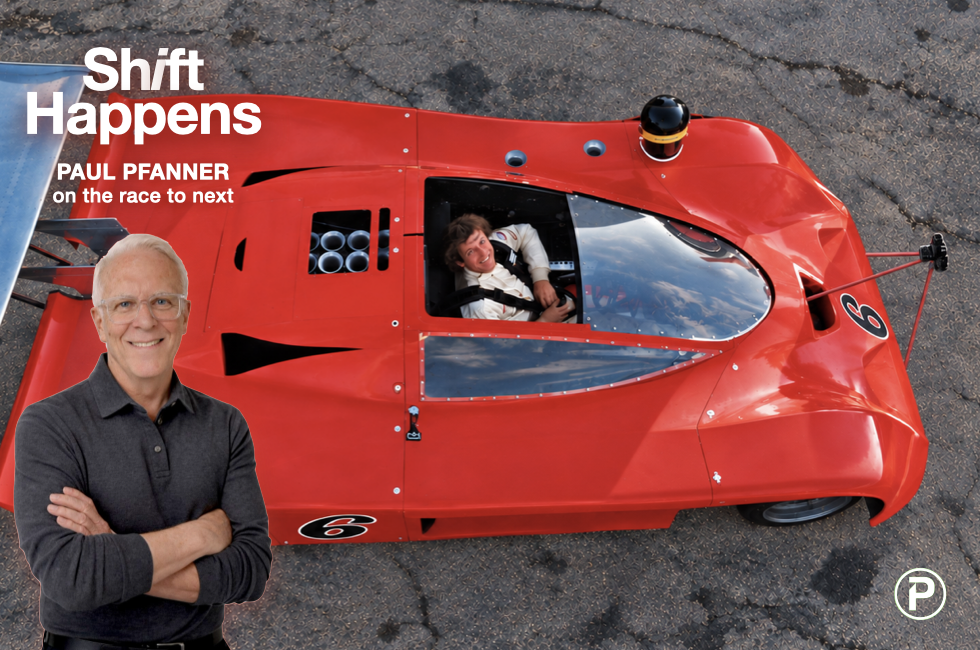
In 1978, a young art director with almost no racing experience talked his way into a 550-horsepower Can-Am car. Paul Pfanner on the lifelong pattern that day set off, why stepping outside your lane draws the people you're meant to find,
Real to Me, Synthetic in the Making
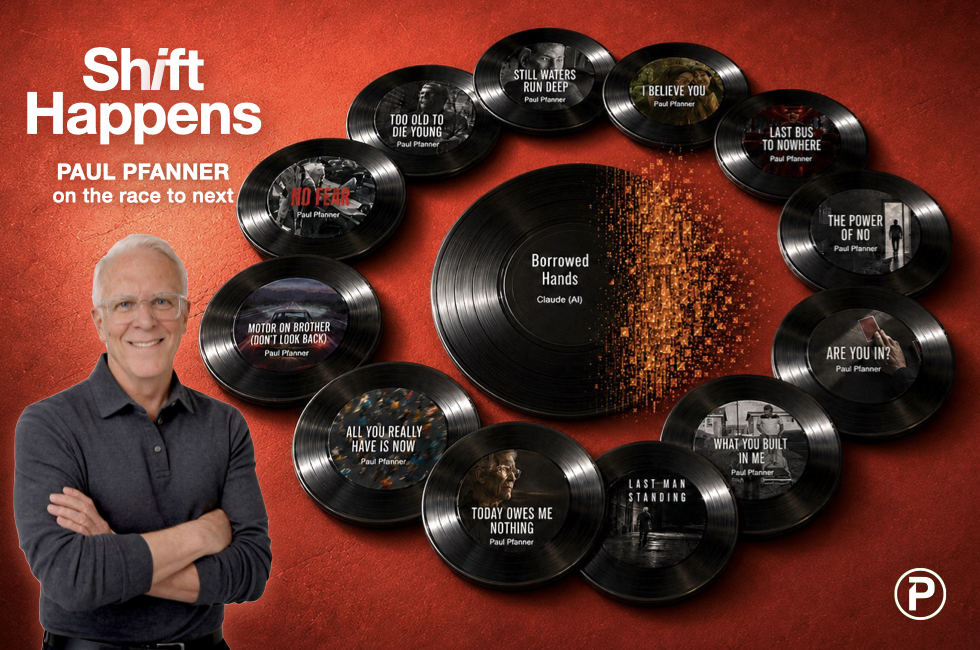
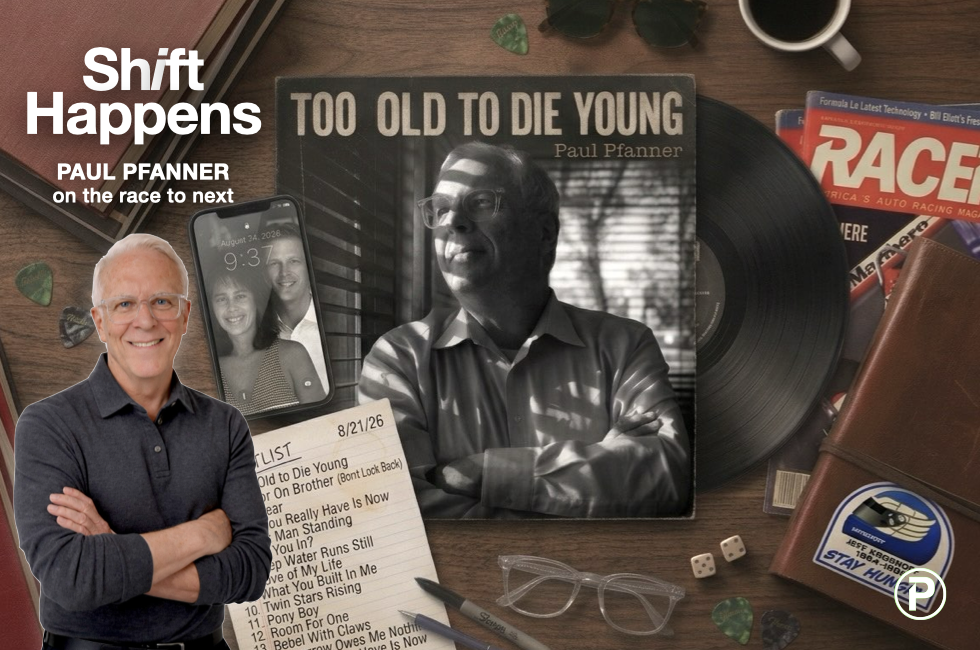
Last week Paul Pfanner argued the barrier to making anything had fallen away. So he wrote and produced an album in a week to test it, and came back with the harder question waiting on the other side: what part of the work, and what part of him, is still real.
You Are Out of Excuses
Paul Pfanner spent a weekend testing whether he believed his own argument. He set out to write and produce a twelve-song blues album with no musical training and no idea how to begin, and finished with more than he planned.
RACER, I Will Miss You
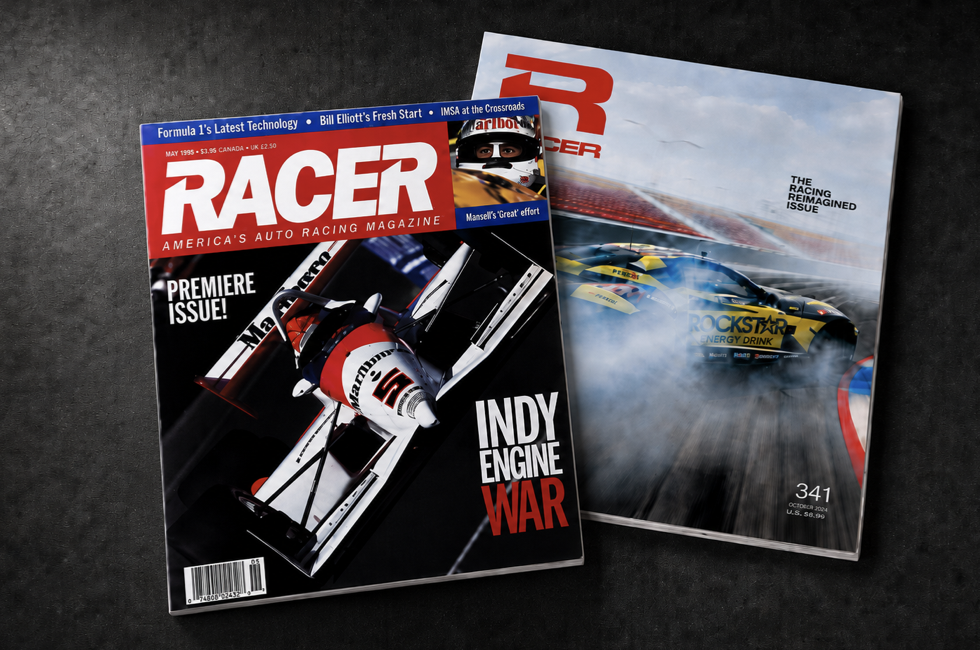
Paul Pfanner on reading the news posted to X by RACER Editor David Malsher-Lopez, and other news outlets that issue 341 will be the magazine's last in print, and on the people, readers, and advertisers who built it.
Who, or What, is the Media Now?
Paul Pfanner takes apart the word "media" in 2026 and finds a surveillance economy sitting under the pull, then makes the case for the one thing paper can still do that a screen can't.
The New IndyCar is No Accident
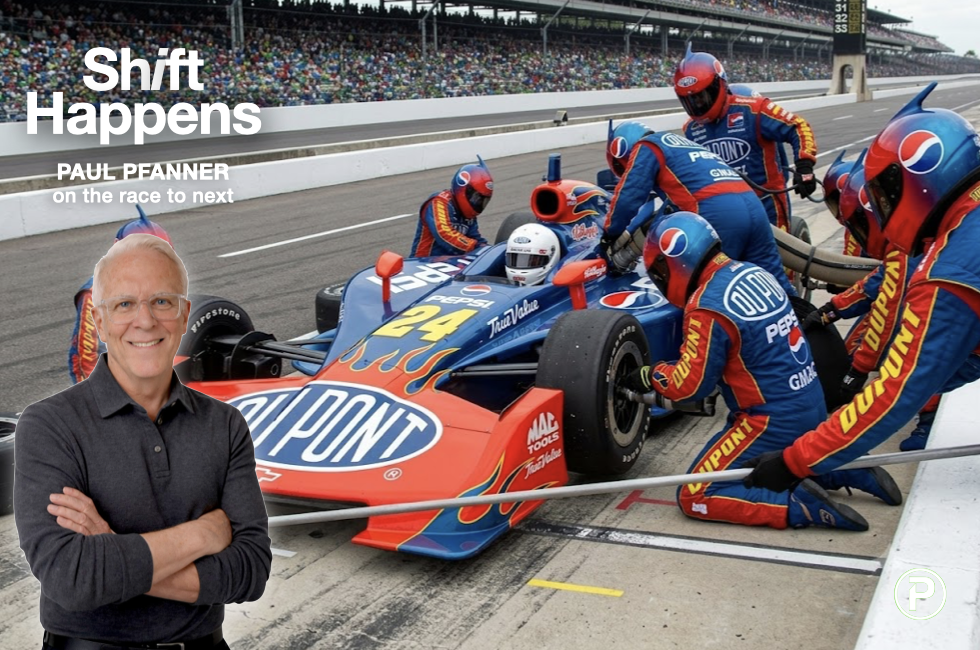
The new IndyCar IR-28 didn't come from nowhere. Paul Pfanner traces the forces that shaped it, and the cars that were drawn but never built, to show how the sport arrived here and the choice it faces next.
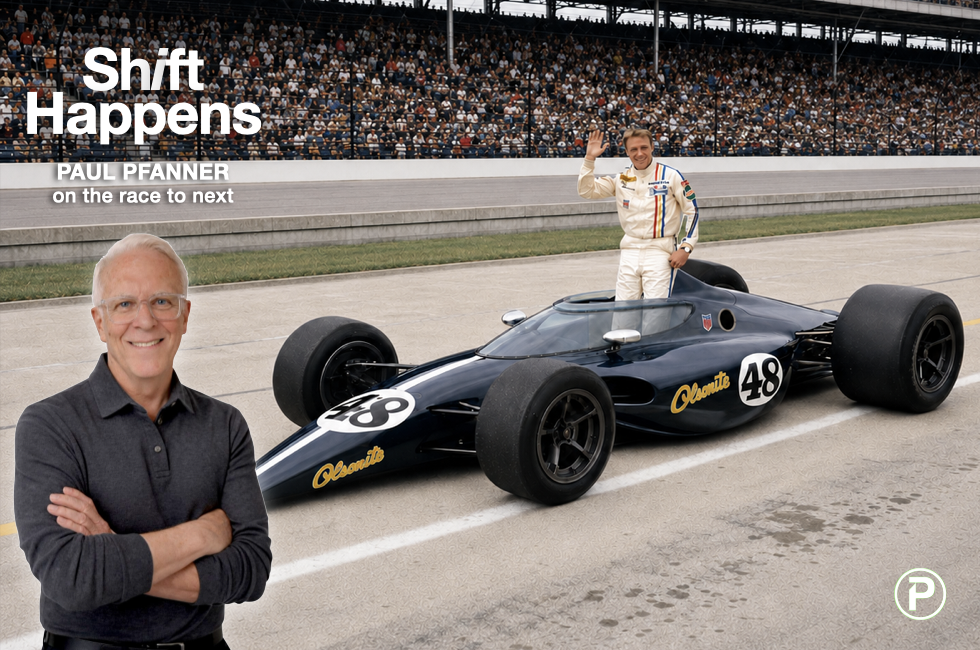
What Comes After Faster?
Paul Pfanner on what the next Indy car should be built to prove once raw speed has reached its useful limit. Third in his series on the future of the sport.
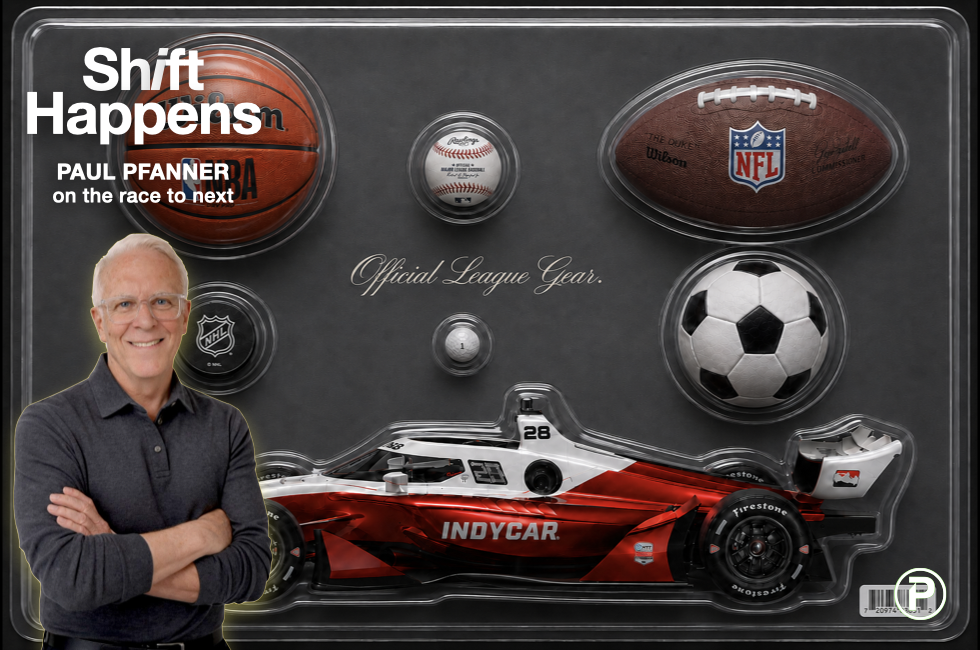
The Fastest Thing Off the Shelf?
Paul Pfanner asks whether IndyCar has permanently turned its race car into standard equipment, what that trades away, and why the choice that builds what comes next has to be made now.
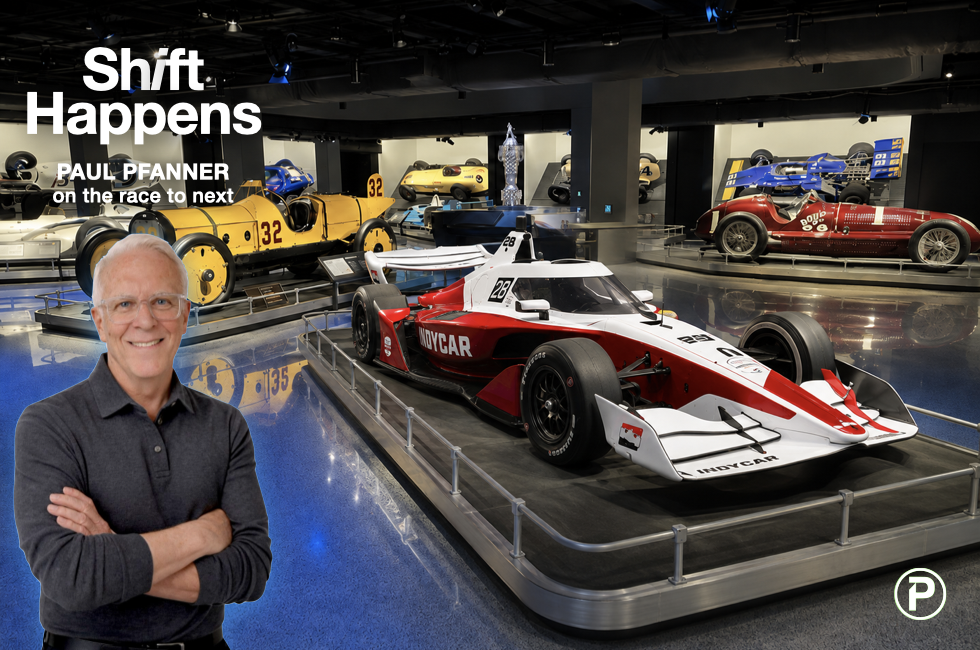
The Museum and the Paddock
Paul Pfanner sets the reimagined IMS Museum against today's paddock and asks what the Indy car after the IR-28 should add to a century of cars that made change visible
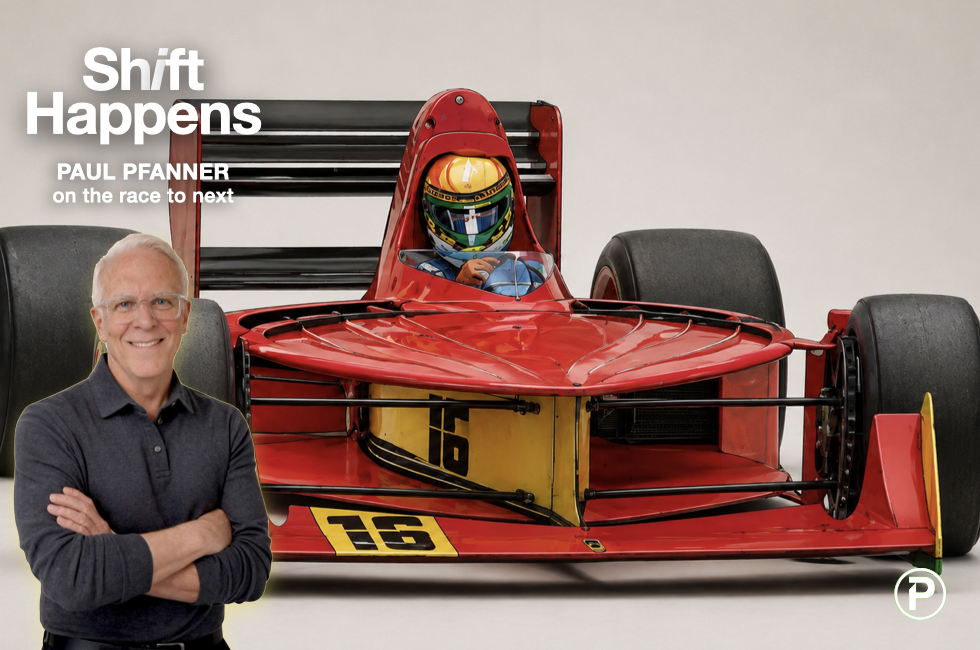
The Art of Thinking Faster
Paul Pfanner renders the Formula 1 car he drew in 1987 for engineer Paul Van Valkenburgh, and remembers a brilliant friend the sport lost in 2024.
Invent the Future
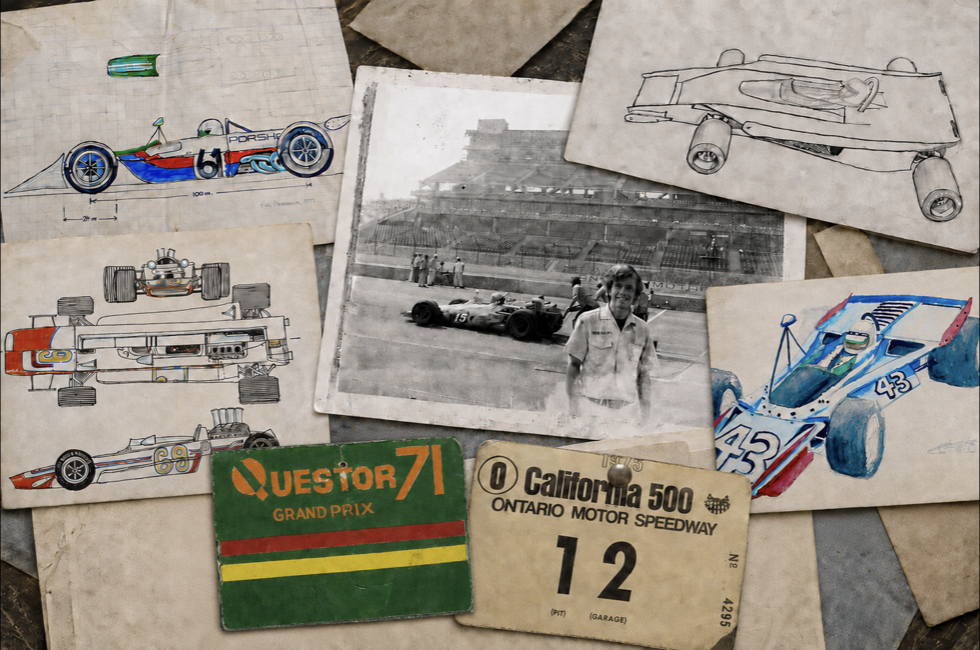
Paul Pfanner on why the new 2028 IndyCar sent him back to the race-car designs he drew as a teenager, now rendered with AI, and what a sport loses when it settles for being a show.

What You're Here to Do
Paul Pfanner on the one thing still standing between you and the work you're here to build.
Standing Still at 230 Miles Per Hour
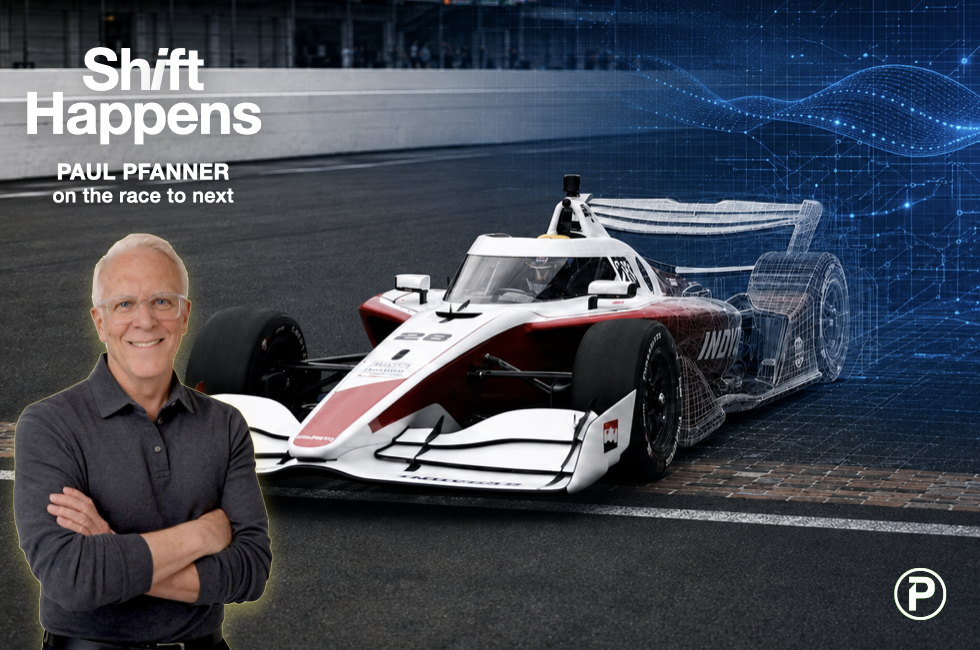
Paul Pfanner on why IndyCar's new car is frozen on purpose, now that a broadcaster owns a third of the series, and what that costs in a world moving faster than 230 mph.
A Moonshot Run Out of a Race Shop
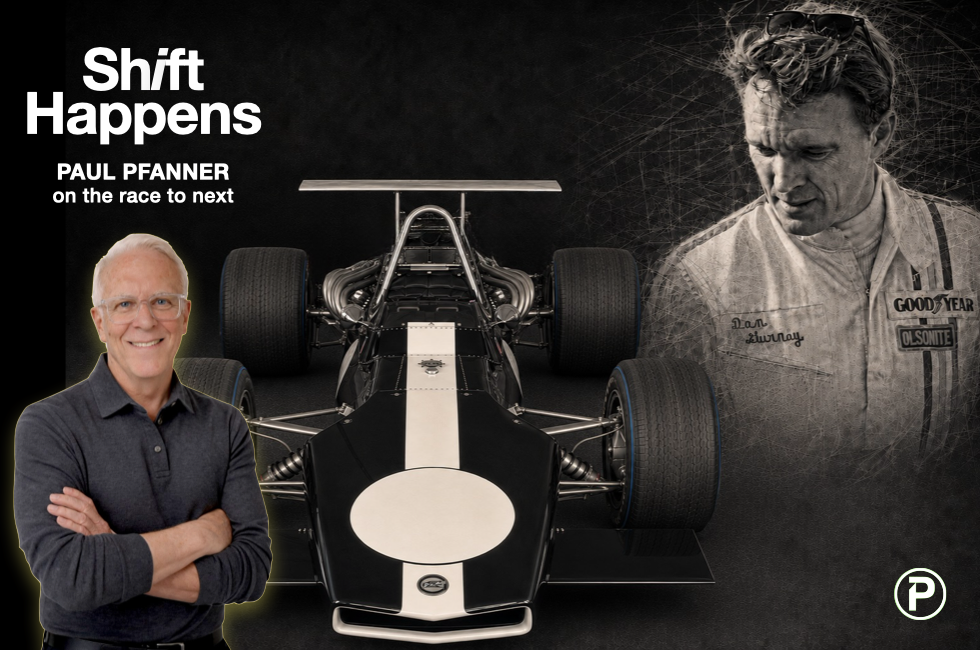
Paul Pfanner was in the All American Racers shop in 2018 when this car's corroded, unfinished monocoque came down from the rafters. Now it's finished, and he explains why its fifty-eight-year wait matters to anyone with an idea on the bench.
The Future Arrived Looking Familiar
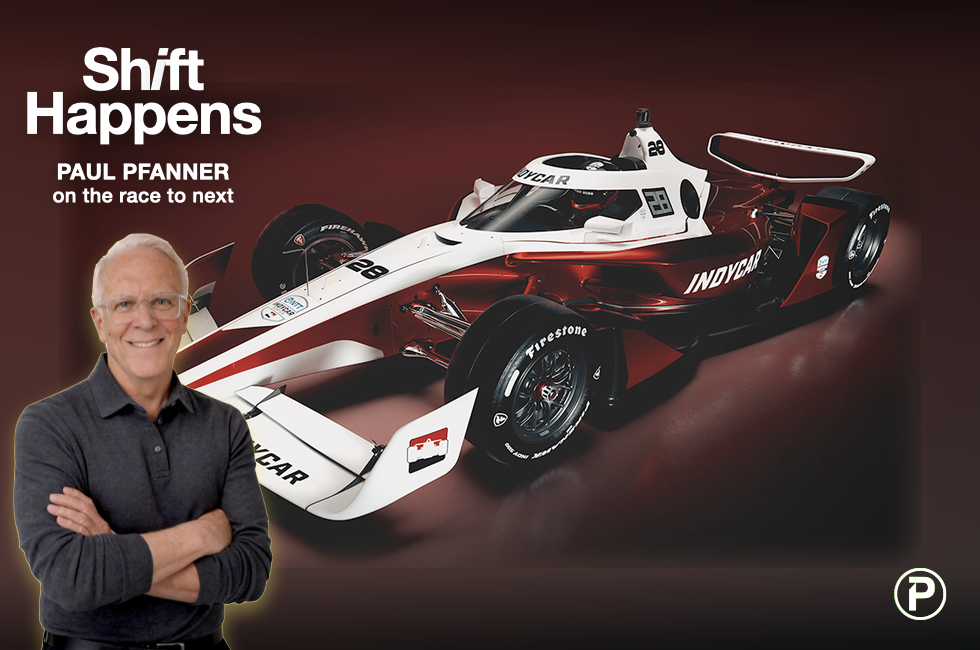
Paul Pfanner on IndyCar's new IR-28, and what a race car is for once the meaning leaves the machine.
The Age of Distribuption is Now
Paul Pfanner on the word he coined in 2017 for IndyCar's leadership, and the decade of evidence that has since caught up with it.
Open Track
Paul Pfanner on the barrier that used to make ideas expensive to build — the people, the capital, the years — and why its collapse is the most open stretch of track he's seen in five decades