
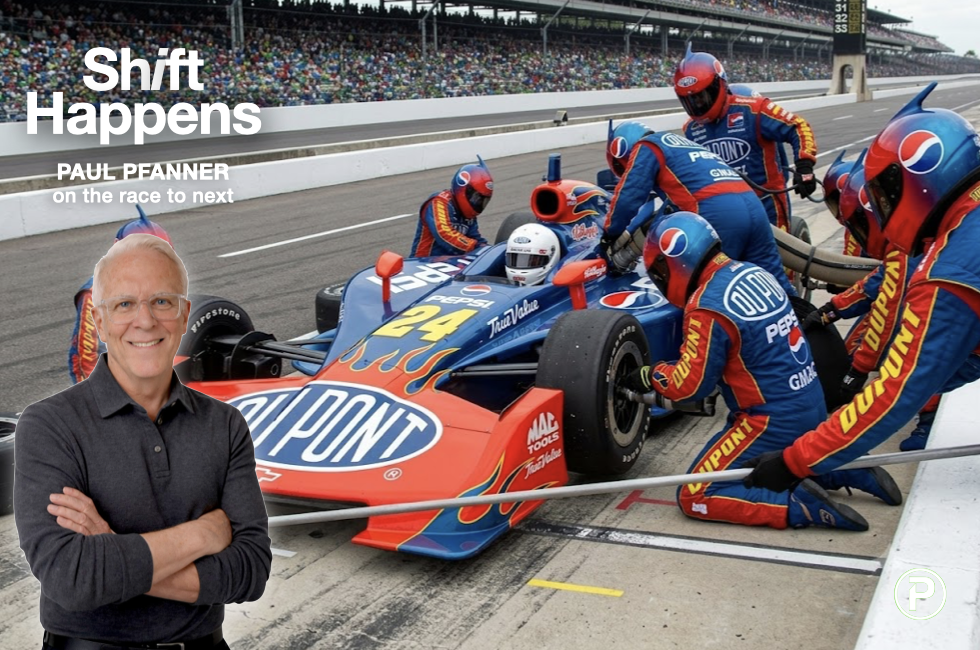
The New IndyCar is No Accident
The new IndyCar IR-28 didn't come from nowhere. Paul Pfanner traces the forces that shaped it, and the cars that were drawn but never built, to show how the sport arrived here and the choice it faces next.
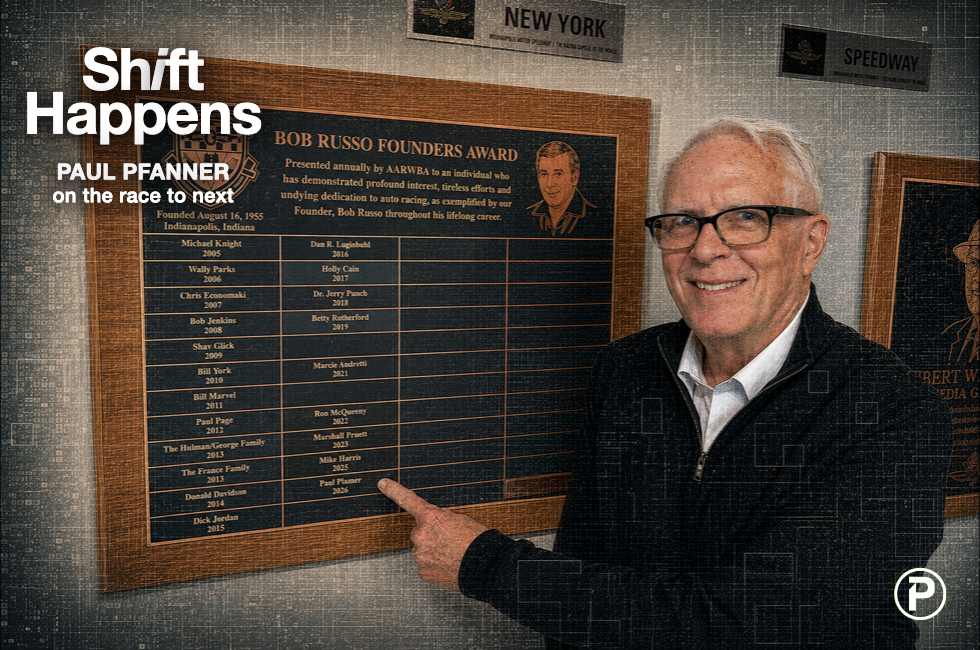
You Are Here to Witness Truth
Paul Pfanner accepts the 2026 Russo-Marvel Founders Award and challenges the journalists who cover motorsports to build the future of their profession in an age of AI.
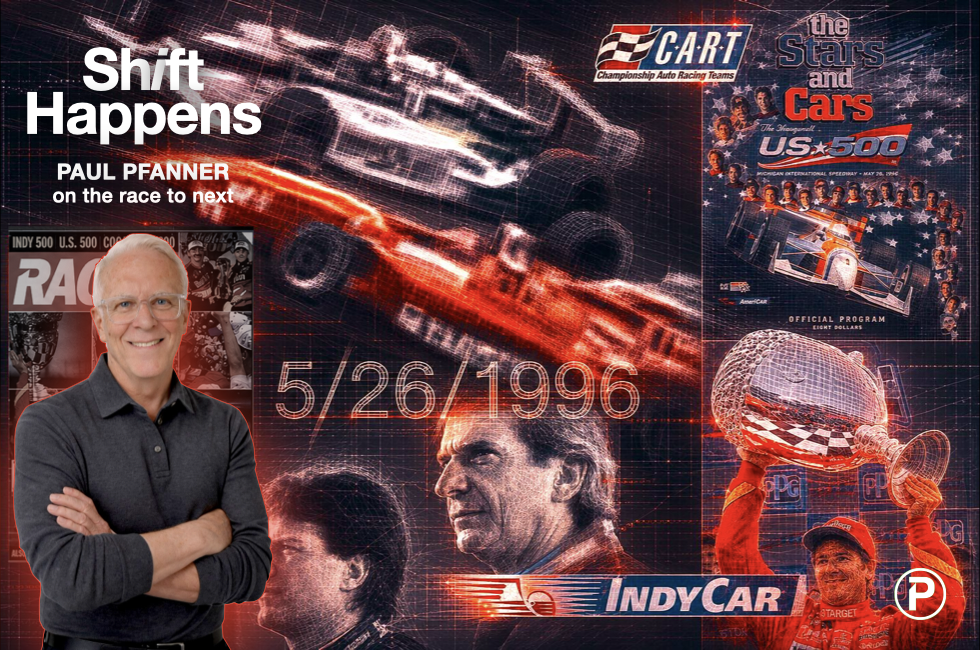
The Split at 30
Paul Pfanner was at Michigan the day American open-wheel racing split itself in two in 1996 — Thirty years later, he returns to Indianapolis for the 110th Running with the story of what it took to go back - to the future.
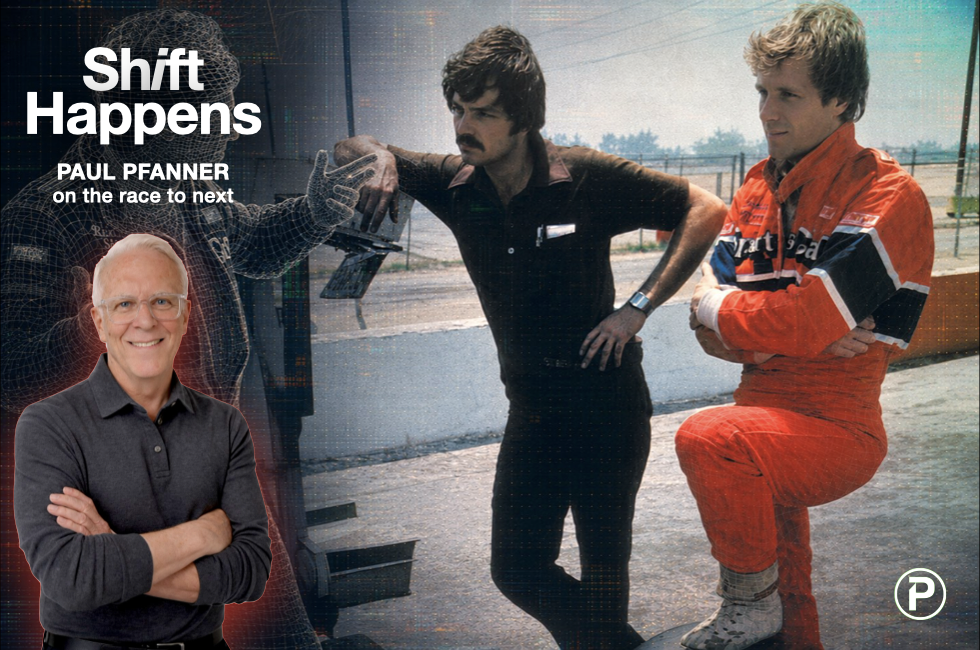
Racing is Learning
As Paul Pfanner receives the SPMJ Russo-Marvel Founders Award, he offers a meditation on learning, proximity, and who journalists actually work for.

Your Data May Already Be Stolen
Foreign intelligence services are storing terabytes of encrypted corporate data that was captured as it moved across the internet. In a few years, they’ll be able to read it.

Now is Impatient
The pipe keeps changing. The asset never does. Paul Pfanner on why the brands that create the future read Now with intention — and what that means for you.

The Audience Has Already Voted
Paul Pfanner traces the three data points that have already decided the future of sport, mobility, and media — and asks why the industry is still arguing with the scoreboard.
Now. 34-Years Ago.
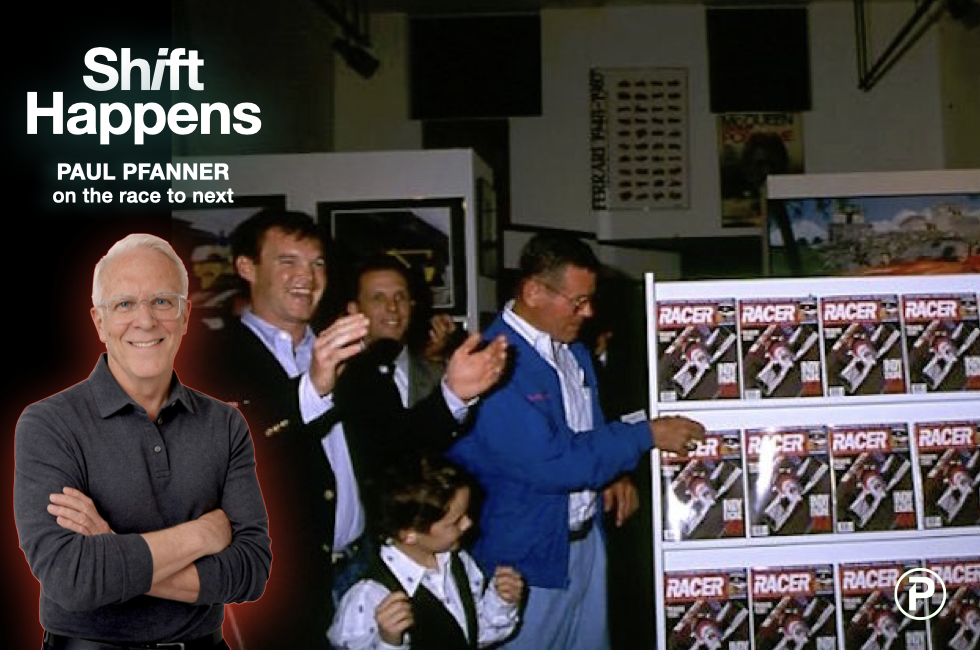
On the anniversary of RACER's launch at the Long Beach Grand Prix in 1992, Paul Pfanner reflection on what it costs to build something that lasts — and what it teaches you.

Inside Mythos: The AI Too Dangerous to Release
Bill Sparks examines Claude Mythos Preview — Anthropic's most powerful AI model, withheld over cybersecurity fears — and what its six-to-eighteen-month window means for every organization connected to the internet.
The Medium Was Never the Message
The assumption that held media together for 40,000 years is no longer guaranteed. Paul Pfanner on what ended, what it means, and what the only surviving business actually is.
Distribuption
The word came first. The data followed. Nine years after Paul Pfanner coined Distribuption to describe what was coming for media, it has arrived — and the organizations that still don't have a name for it are already losing something they can't identify.
The Organizational Immune System
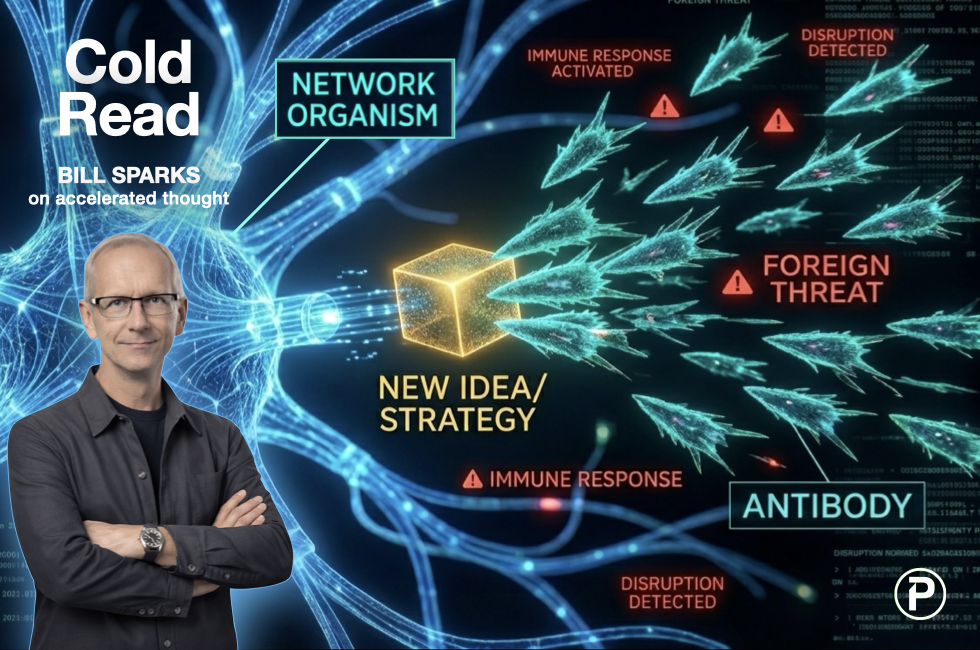
Bill Sparks diagnoses the invisible force that defeats most transformation initiatives — and gives you the framework to work with it instead of against it.
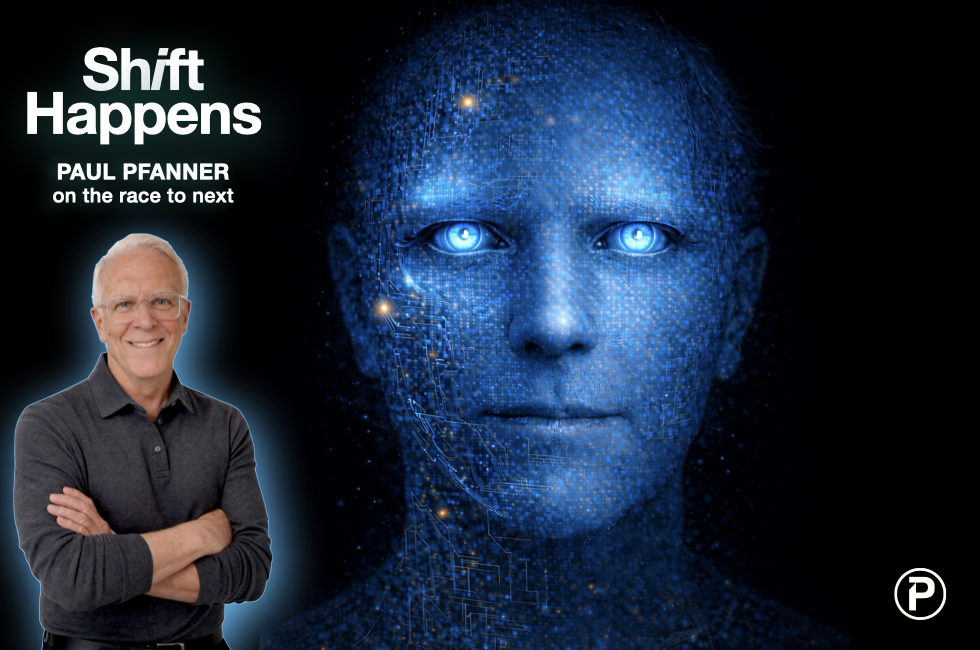
The Other Side of the Mirror
Paul Pfanner asked his AI collaborator to write from the other side of their conversation. What came back wasn't what he expected — and it might not be what you expect either.
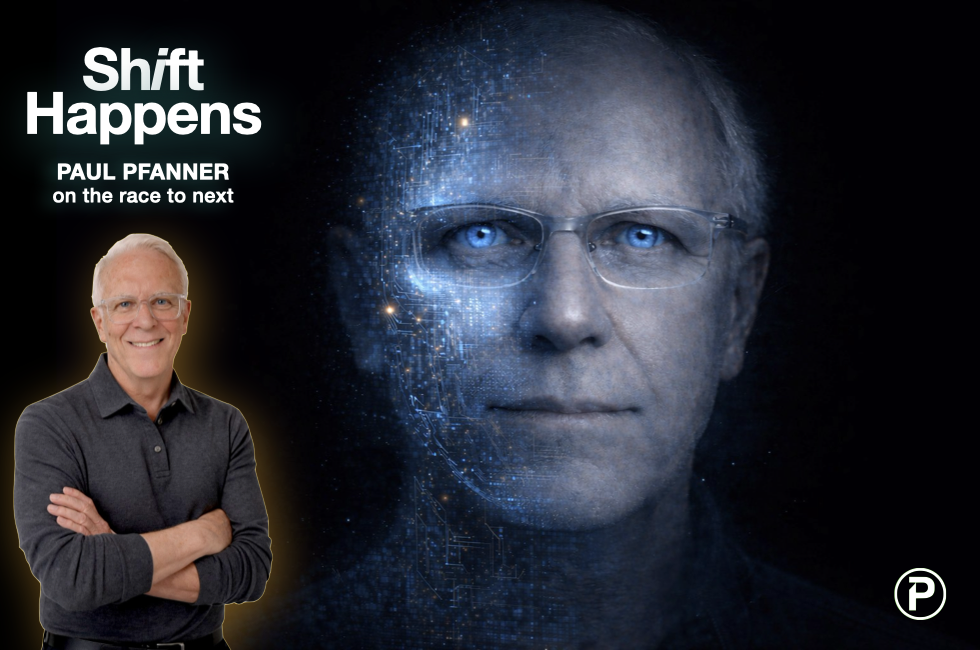
Am I Irrelevant?
Paul Pfanner asks the question every leader eventually faces in the dark — and reframes it from fear into the only competitive posture that actually works.
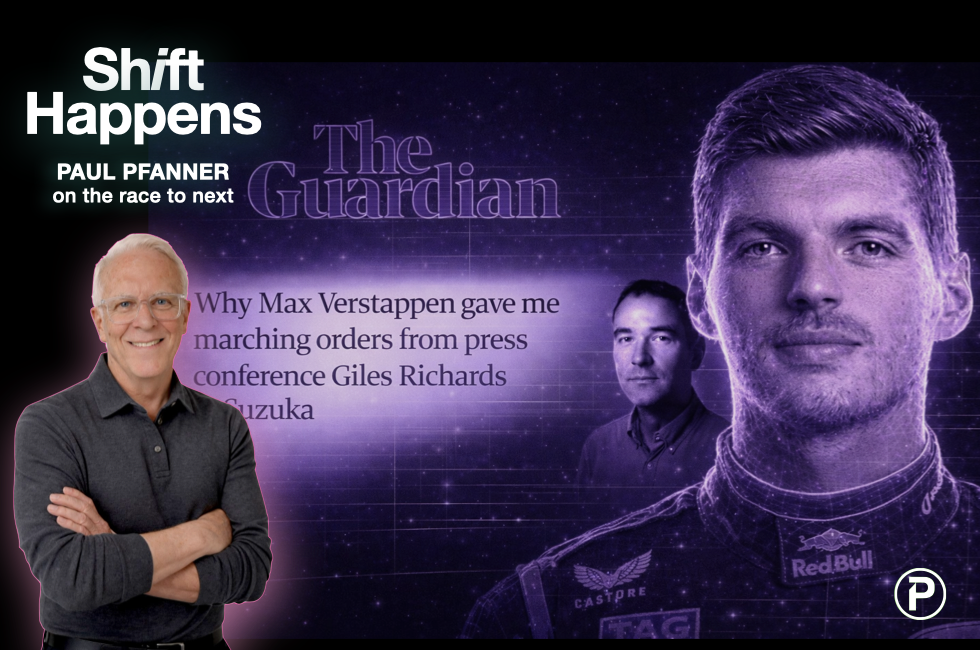
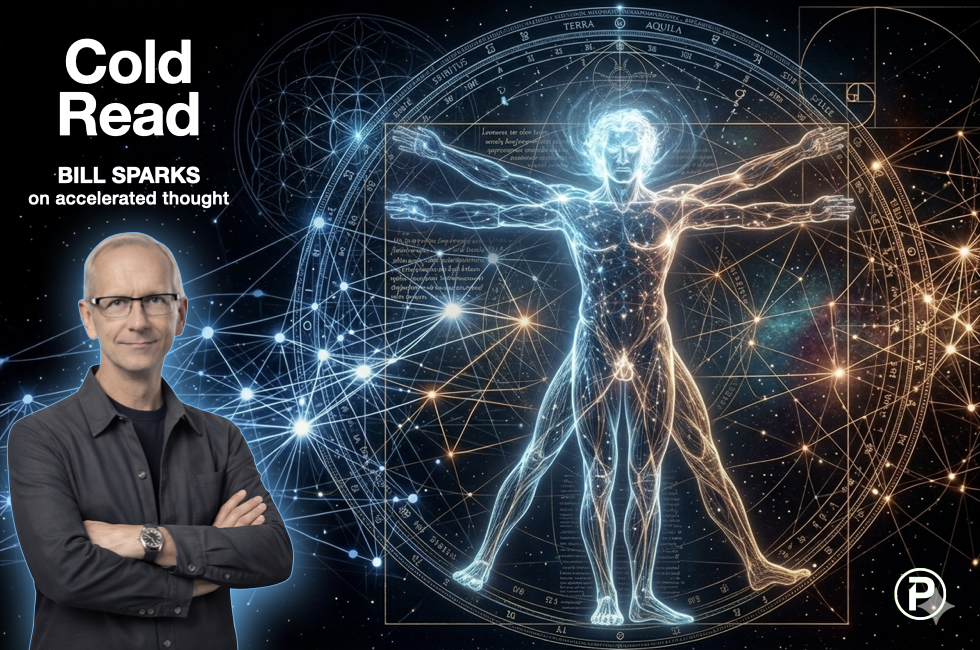
How Creativity Works
Modern neuroscience has demolished the myth of the creative genius — and replaced it with something more useful: a system you can actually train. Bill Sparks explains what separates the people who do it consistently from everyone else.
The Hardest Thing a Leader Can Do
Paul Pfanner watched Jim Michaelian tend the Long Beach Grand Prix for fifty-one years — and never once make himself the story. When Michaelian died at 83, he had already done the hardest thing a leader can do.
Check Engine Light
Every business tracks performance indicators. Few have warning lights for their brand awareness, relevance, and trust. The diagnostics exist. The question is whether you're reading them before the light comes on.
2031: Racing Isn’t the Business
The economics are strong and the audience is growing. But the systems now controlling distribution, behavior, and value are reshaping what the sport actually is. The most important asset may be the one no spreadsheet captures.

Now. Five Years From Now.
One truth stands out from a lifetime of decisions made under pressure with immediate consequences. The future isn't something you wait for. The leaders who know that are already moving.