
The Missing Face
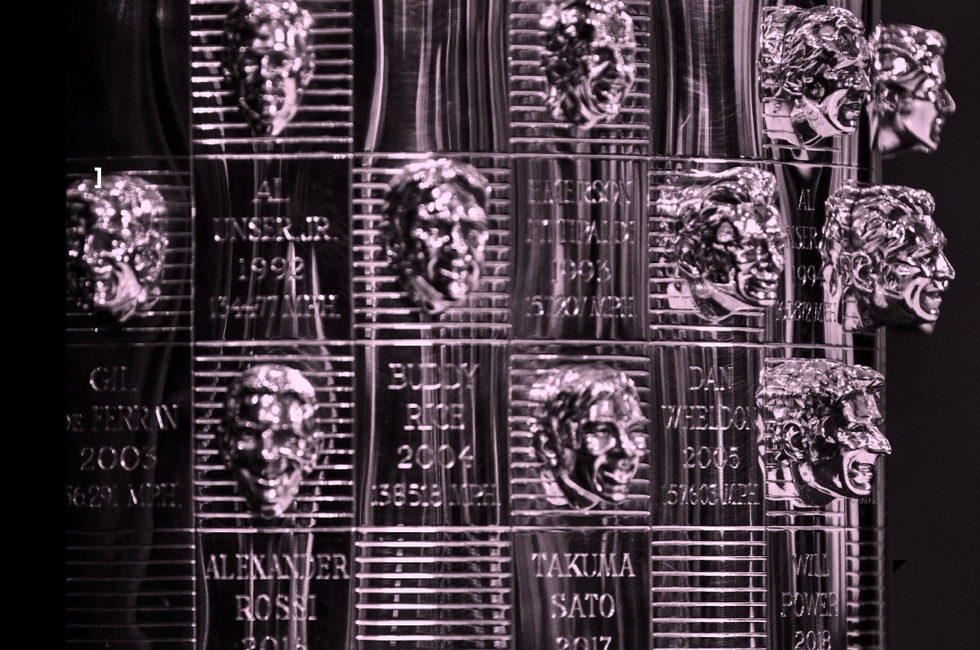
Is this Indy 500 tradition the open door to accelerating positive change?
Racing has always revealed the truth about human potential. The Borg-Warner Trophy shows where we’ve been—and the face history has not yet carved. RACER Brand, and Pfanner Advantage Founder, Paul Pfanner explores the defining power of this iconic symbol of achievement and sporting immortality.
Standing beside the Borg-Warner Trophy, you notice something. A sense of reverence, and a profound awareness of your own mortality.
The trophy is an iconic pillar of polished sterling silver covered in heroic faces. Every winner of the Indianapolis 500 since 1911 is there, sculpted into its surface — a timeline of courage, innovation, judgment, and speed in the age of machines, fused forever with the story of progress.
Stand close enough and the effect is striking. The faces are arrayed in quiet succession — Harroun, Shaw, Floyd, Rose, Foyt, Unser, Andretti, Mears, Franchitti, Castroneves, Dixon, and the new generation that followed.
Look a little longer and something else becomes obvious.
Every face is male.
That observation is not an accusation. It is simply the current point in history. And history, like the Borg-Warner Trophy itself, carries weight — the weight of achievement. But one day that polished silver may carry something even more powerful: a reflection that inspires young women to believe they can lead, and win the race to what’s next.
I have one simple dream: to see a woman’s face on the Borg-Warner Trophy before I become history — so that a new generation can see their reflection there too.
A Different World
My first experience with the Indianapolis 500 came long before I ever drove a car, or worked in motorsports, media, and marketing.
My future career began to form on that fateful day thanks to my father, who invited me to share a sport he loved. He also knew a lot about risk and reward — he was working long hours on the Apollo program to put human footprints on the Moon by the end of the decade.
It was 1964, and the race was broadcast live on closed-circuit television in theaters across the country. I watched it near my home in Whittier, California with my dad. At the time it felt extraordinary — the world’s greatest race arriving through technology in a way that had never happened before. It was also the last race in which a front-engined car rolled into victory lane, with AJ Foyt at the wheel.
That race was one of the most tragic in the long history of the Speedway — a stark reminder of the risk drivers accepted in pursuit of speed during a time when racing technology was evolving much faster than safety technology.
It was also a very different world. Women were not allowed in the pits or the garage area at Indianapolis. The sport reflected the biased assumptions of its time.
Performance Under Pressure Reveals Truth
My deeper understanding of racing — and human potential — came years later.
In 1976 I entered my first SCCA Formula Ford race on a novice license at Riverside International Raceway. Riverside was fast and unforgiving, a circuit where commitment mattered.
I qualified mid-pack in a field of more than forty cars. When the race started something instinctive took over and I began moving forward through the field in primal pursuit of each car ahead of me.
Eventually my progress stopped behind the fourth-place car.
The driver ahead of me was Nancy James — a flight attendant during the week, and a racer on the weekends.
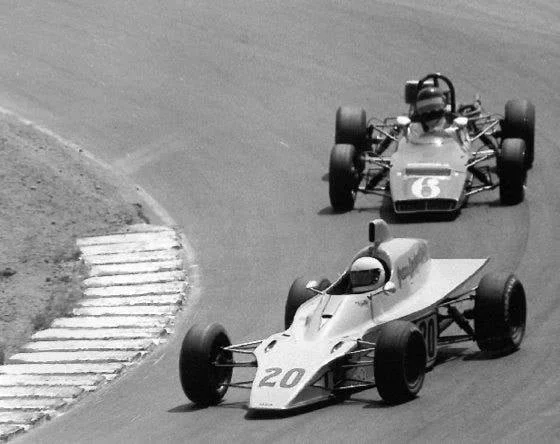
Nancy James leads the 1.0 version of me to an important realization. Rob Gloy Photo
In the closing laps we ran nose-to-tail through Riverside’s fast sweeping corners. I searched for an opening that never appeared. Each lap I tried a different approach — looking for a mistake that never came.
Nancy was in control.
She made no mistakes. I could not pass her. We were paddocked near each other, and after the race, Nancy revealed a high-RPM misfire to her mechanic-husband.
That moment also revealed something fundamental. Racing strips away assumptions quickly. What happens on track delivers truth. Performance speaks for itself — especially under pressure.
What I felt in that moment was not frustration. It was respect.
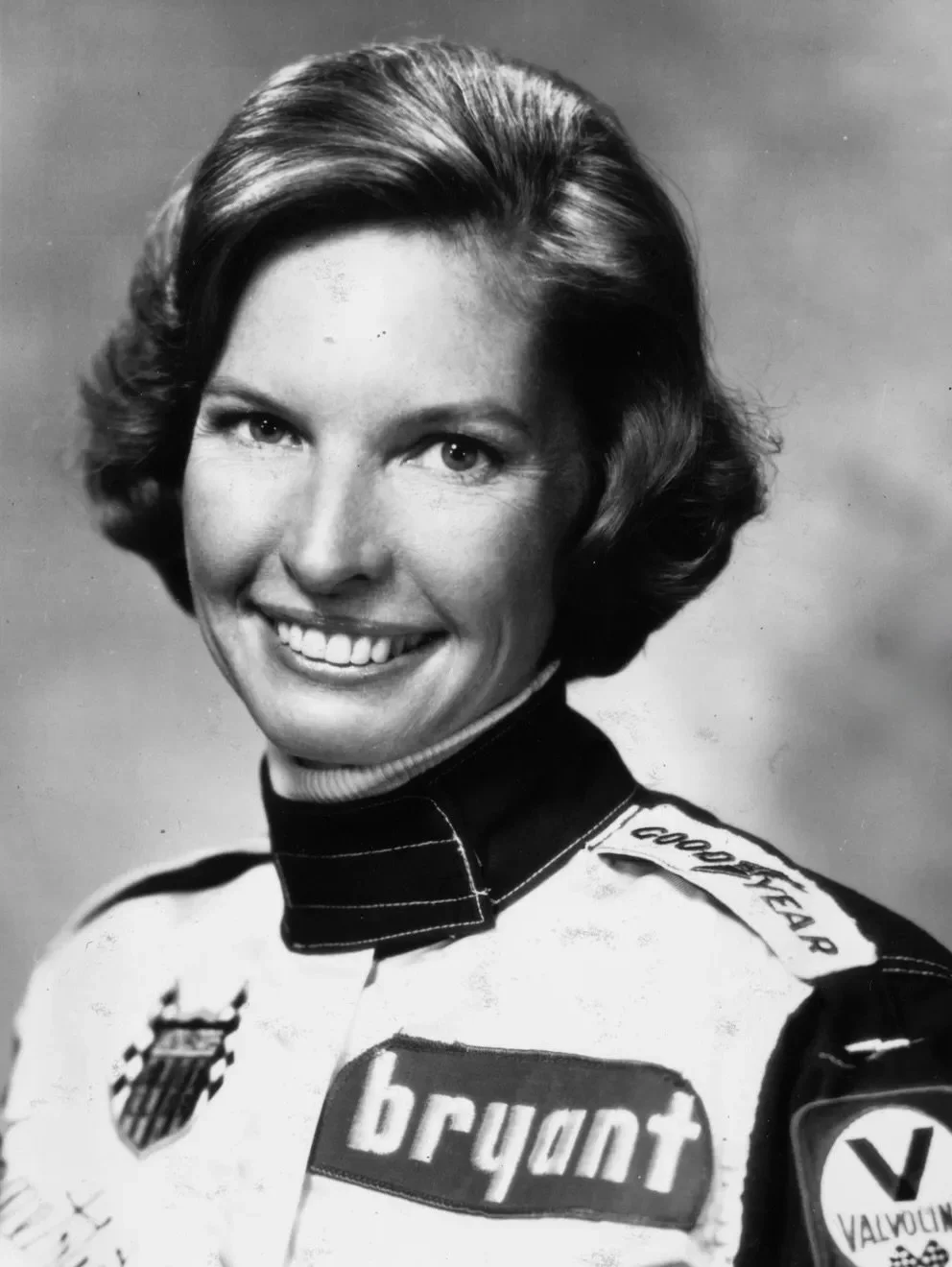
Janet Guthrie first woman to race in the Indy 500
"Racing takes everything you've got – intellectually, emotionally, physically – and then you have to find about ten percent more and use that too."
That same year another driver was demonstrating something similar on a much larger stage. Janet Guthrie arrived at the Indianapolis Motor Speedway and began rewriting long-standing assumptions about who could compete at the highest levels of the sport. She was there because she was capable, prepared, and determined. Her car was not — but the following year, Janet shifted the world forward.
Watching her composure reinforced what I had just experienced at Riverside: when the competition is real and the conditions are equal, ability reveals itself.
Breaking Through
Over the decades that followed I would see that truth repeated many times — through the brave lives of women who shifted assumptions, perceptions, and behaviors forward, faster.
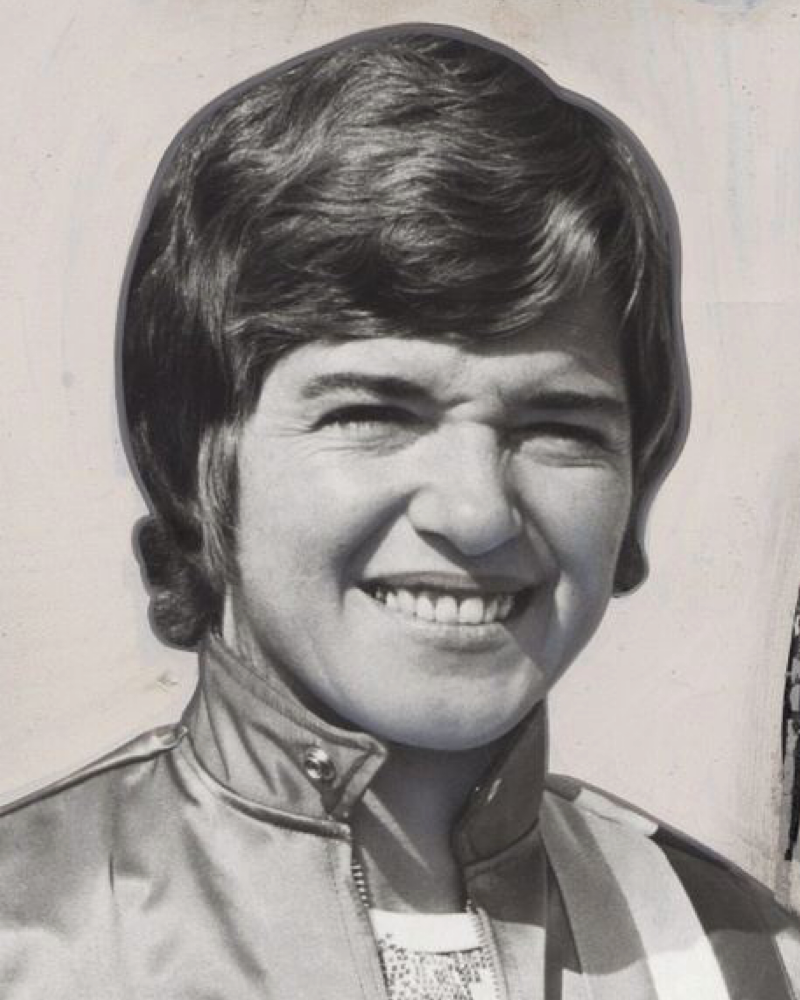
Lella Lombardi Formula 1 driver
“Under the helmet, women and men are completely equal.”
Lella Lombardi earning her place in Formula One — to this day the only woman ever to score a World Championship point, half a point at the 1975 Spanish Grand Prix.
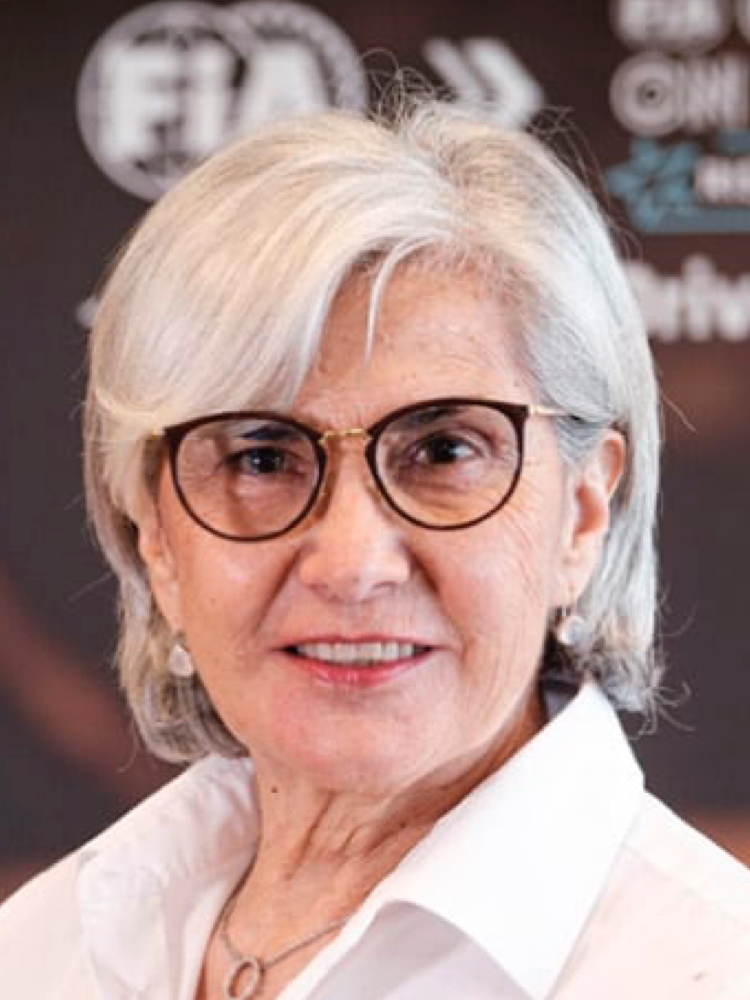
Michèle Mouton WRC winner and legend
"When you are in the car, nobody can say it's a man or a woman driving. You have to take the line – the shortest possible, always – to go the fastest."
Michèle Mouton attacking the stages and winning four rounds in the FIA World Rally Championship with fearless brilliance.
Both proved something the sport needed to learn: under the helmet, the competition is equal.
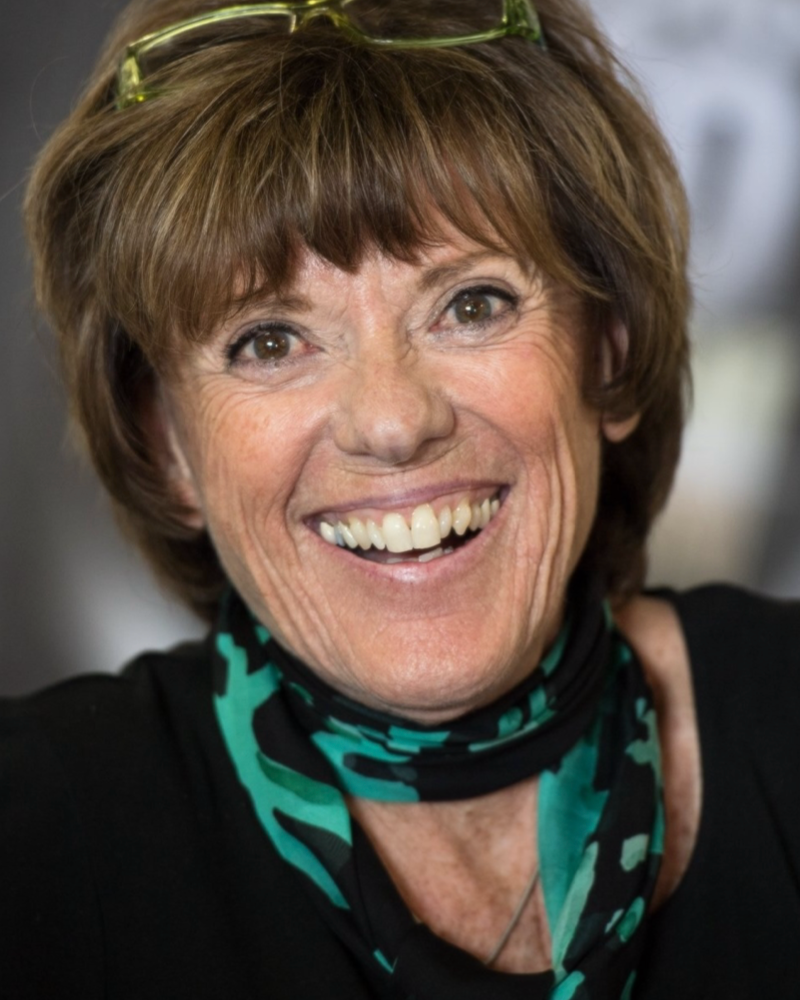
Lyn St James WIMNA Co-Founder
“The common denominator is that we want to make the world a better place, for women and for everybody, and we do it through sport.”
Lyn St. James earned her place at Indianapolis the same way every driver must — through speed, preparation, and unwavering determination. She became the 1992 Indianapolis 500 Rookie of the Year and built a career defined by resilience, technical intelligence, and competitive grit. Over time she became one of the sport’s most respected advocates for expanding opportunity, mentoring generations of drivers who followed.

Beth Paretta WIMNA Co-Founder
“Work hard, work together and build the things you want to see in this world.”
Beth Paretta pushed the sport forward outside the cockpit in ways that extend far beyond symbolism. Long before her women-forward Paretta Autosport team made its historic debut at the Indianapolis 500, Beth had already built a remarkable career leading Dodge’s SRT racing programs to championship success in both NASCAR and the American Le Mans Series. She competed — and won — on equal footing in some of the toughest environments in motorsport.
Together, Lyn and Beth launched Women in Motorsports North America — an organization dedicated to expanding opportunity and strengthening the pipeline of women across every dimension of the sport: drivers, engineers, mechanics, executives, and leaders. In a short time WIMNA has become a serious force within the motorsports ecosystem, connecting experience with emerging talent and helping the next generation navigate a complex industry.
Progress in racing rarely arrives through rhetoric. It arrives through people who do the work.
Human Intelligence Still Wins in the Age of Machines
Years later, my own connection to Indianapolis deepened when the Indianapolis Motor Speedway retained Pfanner Communications to help bring clarity and narrative structure to the vision for the Speedway’s Centennial Era.
Working on that project reinforced something that becomes clear beside the Borg-Warner Trophy: the Indianapolis 500 is more than a race. It is a living timeline of human ambition in the age of machines — a story that carries meaning far beyond Race Day itself.
And that story is still being written.
Long before artificial intelligence became a daunting high-speed corner for society and business, racing had already been testing something more enduring. Machines may be faster. Information certainly moves faster. But the driver is still human — and what that means has never mattered more.
One day a woman will win the Indianapolis 500. Not because the sport decides it should happen. It will happen the same way every other victory at Indianapolis has happened — because the driver prepared, read the race, and drove smarter than everyone else on that particular Sunday in May.
When that day arrives, another face will be added to the Borg-Warner Trophy. Not as an exception. As part of the continuum.
And when it happens, I will think back to that afternoon at Riverside, chasing Nancy James through those sweeping fast corners and learning something simple and enduring: talent fueled by unwavering commitment has always found its way forward.
The Future Already Taking Shape
I see that truth every day in my own life — in the women who shaped me long before I understood what they were building.
My mother Val and my grandmother Mary faced enormous challenges immigrating from Hungary after World War II. In raising me — and my younger sister, Dianne Akers, who beat me at go-karts and miniature golf — they did what the best competitors do. They pushed me to become my best self, and they never gave up.
Today my brilliant and beautiful wife, Donna Pfanner, carries that same quiet responsibility. RACER — and our Pfanner Communications agency — would not have succeeded without her spirit and wisdom during the years she led our commercial activities.
It does not surprise me that our first-born daughter, Sofia Pfanner, helps make the world more beautiful through her omni-creative talents, while her twin sister, Eden Pfanner, is reaching for the stars — working in Mission Control at Virgin Galactic with the dream of one day leaving her footprints on the Moon and continuing the mission of her late grandfather.
Because human potential expands when people believe they have more to gain than they have to lose — by accepting risk in pursuit of worthy challenge.
History is waiting for the next defining face.
Somewhere a young woman is already driving toward that face in the silver.
PS: I am proud that my Pfanner Advantage colleague Bill Long has recently joined the Board of Directors of Women in Motorsports North America. His decades of leadership across the automotive and motorsports industries will serve that mission well.
