Who Is AI For? Part One
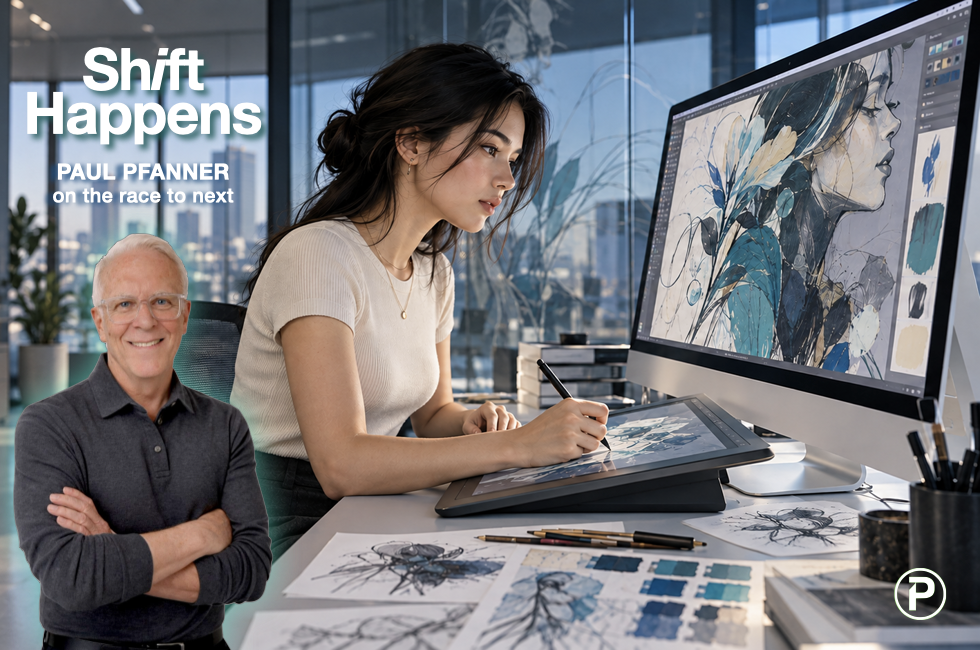
Paul Pfanner opens a three-part investigation into who AI is serving, starting with the fear he keeps encountering and what the research shows about work. Part one of three.
Other Than That, I Enjoyed the Film
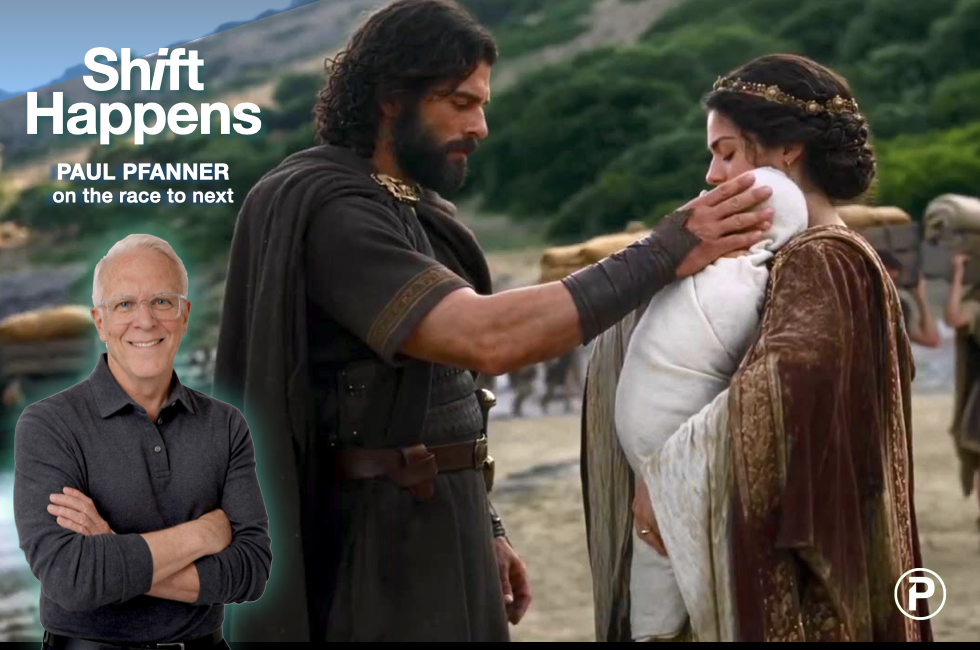
Paul Pfanner doesn’t do film reviews unless there’s a race car in them. Elon Musk’s AI Odyssey earned an exception. A standalone piece alongside his columns on Tesla and SpaceX.
Same Moment, Different Feeds
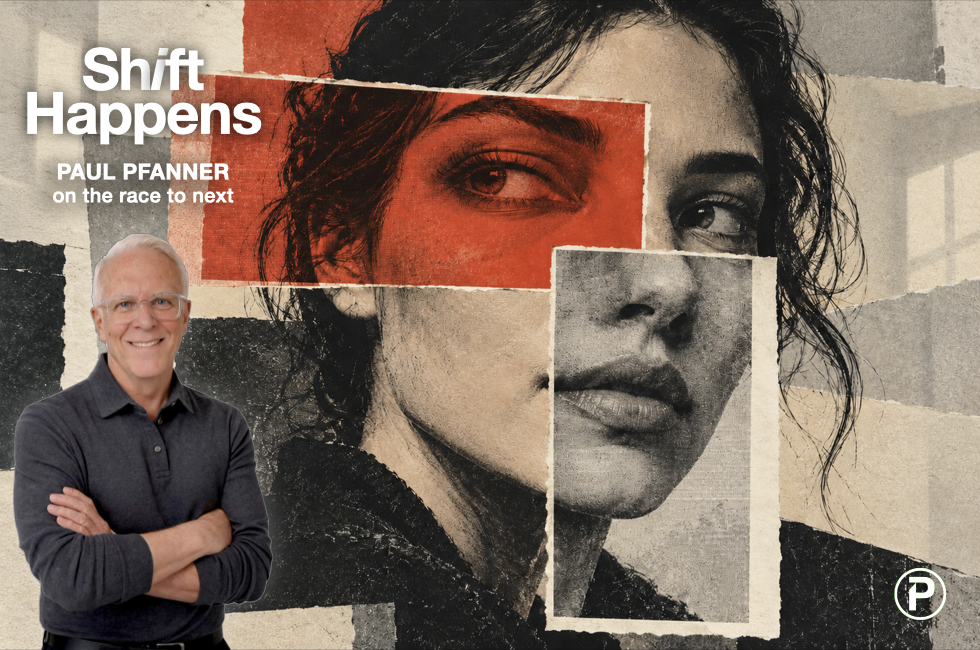
In the second column of a series that began with The Great Unwalling, Paul Pfanner looks at how people born this century find news and culture, and why a handful of young publishers are choosing paper on purpose.
The Great Un-walling
Paul Pfanner spent more than four decades building media franchises the old way. Now the walls are coming down, and he’s asking the question most of the industry would rather skip. Who needs whom?
Will NASCAR Play the TV Game or Redefine It?
Part two of NASCAR’s Moment. Paul Pfanner looks at the sport that wrote American motorsport’s TV playbook as it faces a reset of its own, with its biggest broadcast partner now part-owning a rival and its own sports car series passing it on YouTube.

When the Customer Is a Machine
In the third installment of his series on AI as the new middleman, Bill Sparks follows the shopper who asks a chatbot what to buy, and asks what it takes for a brand to make the machine’s shortlist and still win the person who makes the final call.

Tesla's Absolute Ambition
Paul Pfanner, whose OnCars team helped introduce the Model S in 2009, looks past Tesla's flying Roadster at the robots now being built where that car was made, and at an ambition with no apparent ceiling.

Why Is Roger Penske Taking His Automotive Business Private?
Roger Penske already runs the company. Paul Pfanner asks why he’d spend $3.9 billion buying out everyone else.

Should You Allow AI Bots to Crawl Your Site?
Millions of websites had their AI crawling policy set for them overnight in September, and most never noticed. In Part 2 of his series on AI as the new middleman, Bill Sparks makes the case that this choice belongs with you, and that the right answer starts with what your content is for.

I Love Mission S. Now I Want to See Mission P.
Paul Pfanner gives Porsche's Mission S a genuine rave, then asks what Porsche might build if it started small again. Mission P imagines three light, analog concept cars and an enthusiast's questions about the engine.

I Saw What You Did There
Paul Pfanner's teammates at OnCars Studios made the films that introduced the Tesla Model S in 2009. Last night he watched Tesla make its new Roadster fly, and came away with a question the show didn't answer.

NASCAR Knows How to Be NASCAR
Part one of four in NASCAR's Moment. Paul Pfanner went to his first NASCAR race in 1970 and helped ride the boom of the 1990s. With Steve O'Donnell now looking toward 2032, he asks what the sport can become next.

The Power of Now
We can bring nearly anything to a screen, yet people keep paying more to be there in person. Paul Pfanner looks at what that tells us about racing and live entertainment, and why the present moment carries so much value.

Inside the Beast
Every so often the rules change overnight, in racing and well beyond it. Paul Pfanner on the choice that follows, and which way he's always gone.
How AI Is Getting Between Brands and Customers
Bill Sparks opens a series on AI as the new middleman between brands and their customers. Part 1 looks at why being cited inside the AI's answer now counts for more than ranking in search.

Now Racing to What’s Next
Paul Pfanner on why Petit Le Mans is his favorite race, and why watching IMSA at Michelin Raceway Road Atlanta is still watching a race to the future.

America Is Building Cars the World Has Stopped Buying
In Part 3 of his Great Divergence series, Bill Sparks looks at the gap between the cars the world is buying and the cars America is building.
Let the Car Move
The Velocity Collective imagined the Blackbird 66 a decade ago, and now it finally moves. Paul Pfanner on making the spot in half a Sunday, and the Dan Gurney question behind it.

Full Send
People asked Paul Pfanner if he'd lost it. Here's his answer: a full album written from scratch and six music videos, plus what he learned about where people fit in a world of AI. The real Paul closes it out himself. The kid in the picture had a lot to do with it. Updated October 5 with the full album and new videos.

What 1979 Tells Detroit About 2026
In Part 2 of his Cold Read series on the oil price crisis, Bill Sparks goes back to 1979, when gas lines opened the door for Japanese automakers and the quotas meant to stop them built a stronger competitor instead.