
What is Really Powering F1?
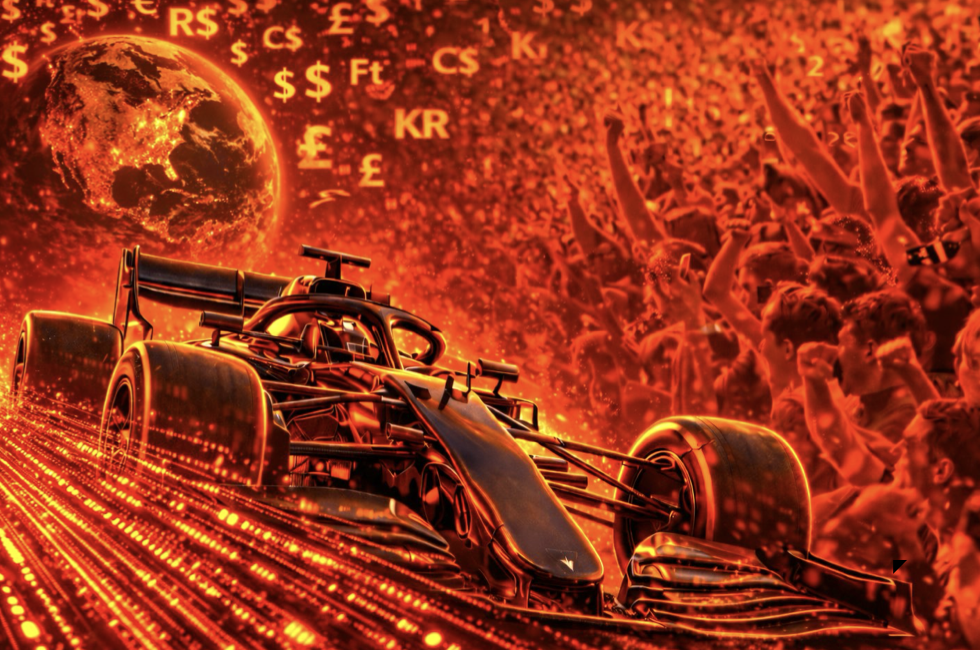
F1 is on fire in 2026. The question now is what will increase the heat?
Every race teaches something. This is something RACER Brand, and Pfanner Advantage Founder Paul Pfanner knows from experience. After Melbourne, Formula 1 may need to decide which energy truly fuels its future.
Engineers learn how to extract speed from physics. Drivers learn how to live at the edge of risk. Teams learn how to turn information into advantage.
But racing is learning for the sport itself as well.
And after the Australian Grand Prix in Melbourne, Formula One may have learned something important — though perhaps not what it expected.
Because beneath the excitement of a new technical era sits a question the sport eventually has to answer:
What energy is Formula One really running on?
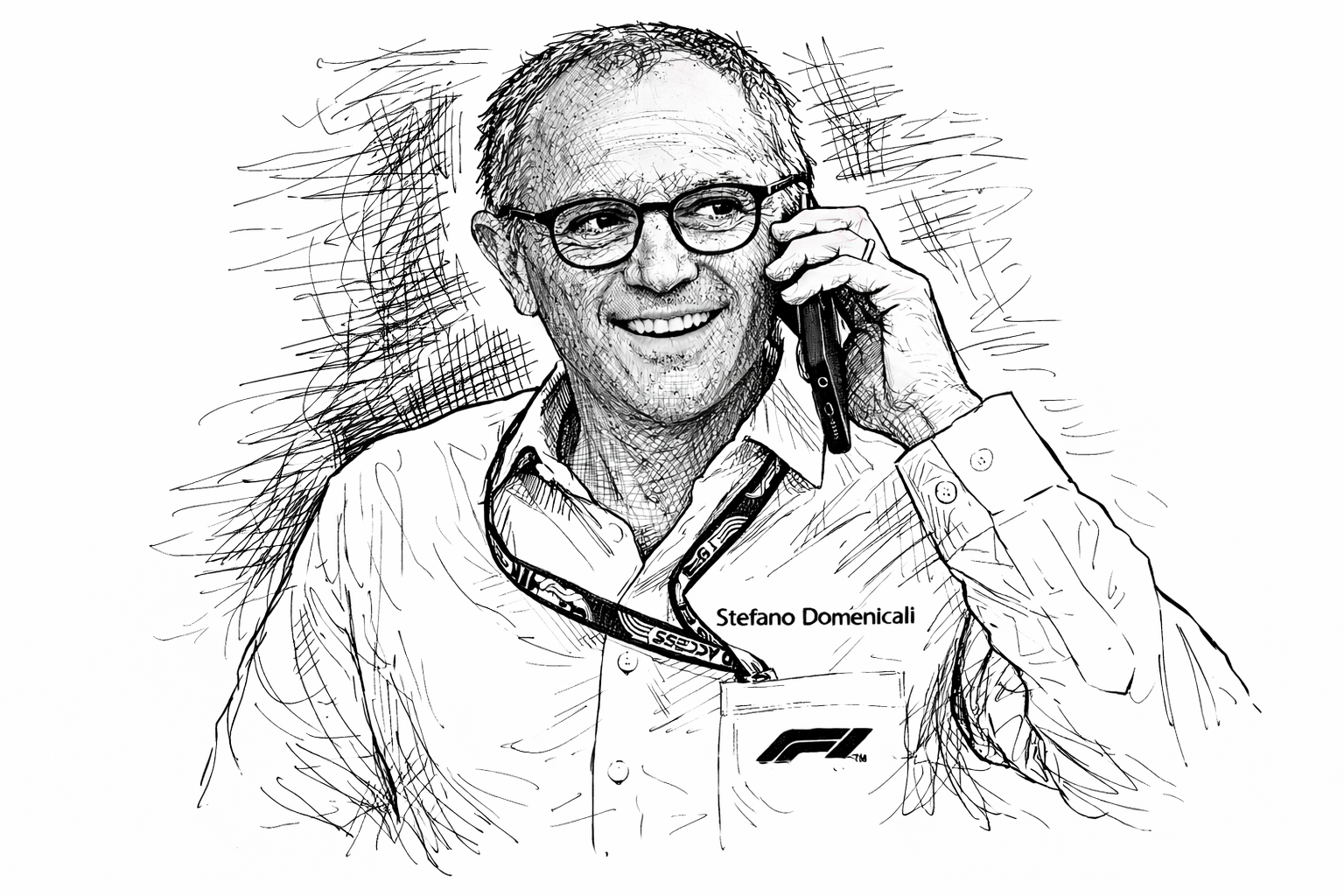
“We wanted to attract more manufacturers… and that’s why this project started.”
Stefano Domenicali President and CEO of Formula One Group
Three Energies in Conflict
The 2026 regulations didn’t happen by accident. Stefano Domenicali, President and CEO of the Formula One Group, was explicit about the strategic intent behind the most significant technical reset in modern F1 history.
It worked. The new power units — splitting energy roughly 50–50 between internal combustion and electrical systems — attracted new manufacturers and kept existing ones committed. Audi transformed Sauber into a full factory operation. Cadillac joined as the 11th team, paying a $450 million anti-dilution fee just to enter. From a strategic standpoint, those outcomes reflect exactly what the regulations were designed to achieve.
But motorsport has always lived at the intersection of three constituencies whose energies do not always move in the same direction. Manufacturers want technical relevance. Regulators want responsible progress. Fans want great racing. Melbourne made that tension visible almost immediately.
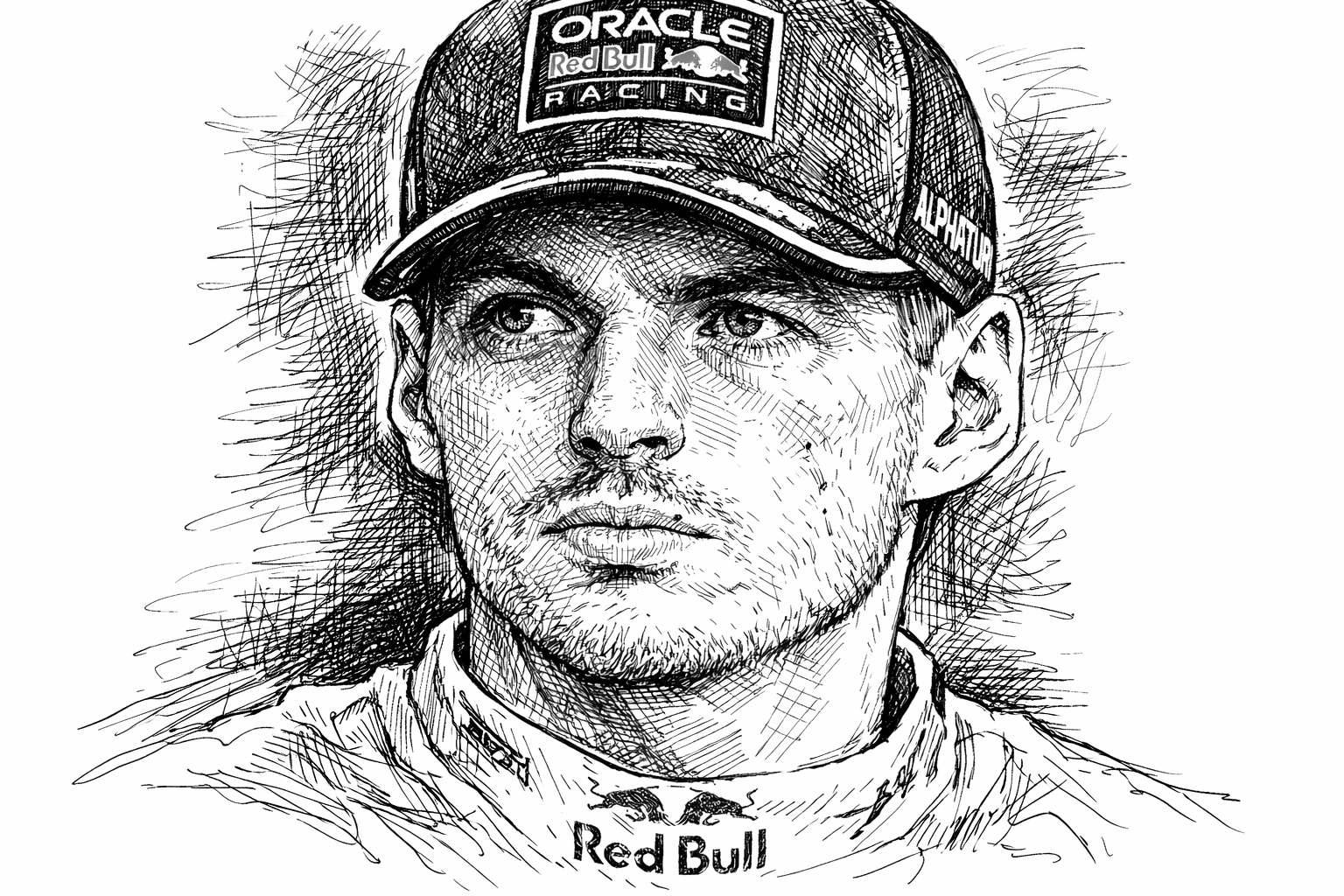
Drivers — who are usually the first sensors of change — were unusually candid. Max Verstappen described the experience as feeling like “Formula E on steroids,” frustrated by the heavy emphasis on energy management. Lando Norris was even more direct, suggesting the new generation of cars may be the worst he has driven.
“If it's drivers, fans, we just want the best for the sport. It's not that we are critical just to be critical. We are critical for a reason, we want it to be Formula 1, you know, proper Formula 1 on steroids. Today, of course, again, that was not the case.”
Max Verstappen Four-time F 1 World Champion
The concern was not resistance to innovation. Drivers understand evolution better than anyone. What they were describing was something more subtle — the sense that racing had shifted from pushing flat-out to managing a complicated energy equation.
At the same time, the race produced genuine action. Early laps featured repeated overtaking battles that were exciting to watch. But even those moments raised a question inside the paddock: were those passes driven by primal human racing instinct, or by AI-influenced battery deployment cycles?
That distinction matters. Because Formula One is not just an engineering exercise. It is a narrative engine.
The Sport Is On Fire
It is also important to acknowledge something obvious: Formula One is hot right now.
The sport has rarely been more culturally visible. F1’s global fan base now exceeds 800 million people worldwide, with more than 40 percent under the age of 35. Young digital-native fans from every continent are discovering the sport and making it part of their identity. The Australian Grand Prix weekend set another attendance record in 2026, with more than 480,000 fans through the gates across four days.
Brands see that energy clearly. Technology companies, fashion houses, luxury brands, and aspirational consumer companies are investing heavily because the sport vividly represents the cultural moment these audiences live in — speed, innovation, global connection, and ambition.
For many young fans, Formula One does not represent nostalgia. It represents their now.
The economics confirm it. The average Formula One team is now estimated to be worth more than $3.5 billion, with Ferrari alone valued above $6 billion. This is not a sport managing decline. It is a sport managing success — which creates its own specific kind of pressure.
The Essence of F1
At its core, motorsport runs on a simple principle: racing is learning.
Engineers learn. Drivers learn. Teams learn. Over time, the sport itself learns.
The question after Melbourne is not technical. It is strategic. Of all the things Formula One is optimizing for right now — electrical energy management, manufacturer satisfaction, global entertainment growth — which one sits at the center? Because they cannot all be equal if the sport intends to sustain the belief that makes the entire enterprise possible.
I Can’t Unlearn This
Not slogans. Not strategy presentations. Behavior. What an organization repeatedly does reveals what it actually believes.
Formula One’s behavior today reflects a sport navigating multiple pressures simultaneously: environmental responsibility, manufacturer investment, technological innovation, and global entertainment growth. All legitimate forces. But behavior shapes identity. And identity shapes belief.
Fans do not simply watch Formula One. Historically they have believed they were witnessing the pinnacle — the best drivers, the best teams, and the most advanced machines competing at the absolute edge of human capability. That belief is the sport’s most valuable asset.
Which raises a simple brand test.
No one walks into McDonald’s and orders a hot fudge hamburger. Could the company technically produce one? Probably. But it would violate the logic of the brand. Sports work the same way.
Formula One has always been many things — engineering competition, technological experimentation, global spectacle. But at its heart it has always been something simpler: the fastest drivers in the world pushing the fastest machines to the limit.
That behavior is the brand.
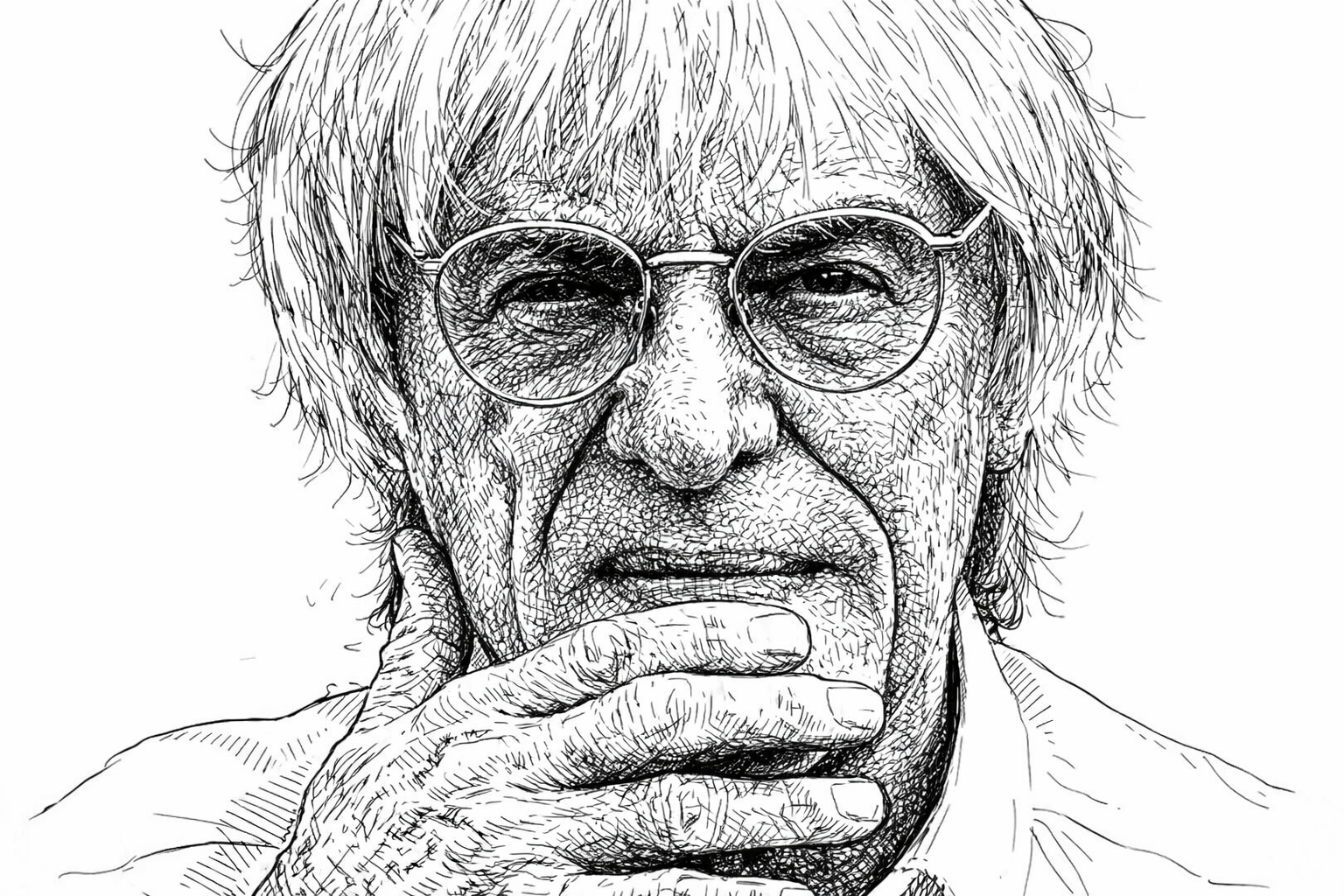
“It’s not so much about the racing. Developments are moving toward ever-greater restrictions for drivers, but the essence of Formula 1 is that it’s a world championship for drivers, not engineers.”
Bernie Ecclestone Ex-CEO of Formula One Management Group
The Power of “No”
Bernie Ecclestone had plenty of flaws during his decades running Formula One Management Group. History is, by nature, a debate — but the focus here is on now.
What he possessed was one leadership instinct that is increasingly rare in modern institutions: he understood the power of the word “no.” Not because he resisted change, but because he understood that every brand has a center of gravity. When too many agendas accumulate, the identity of the thing itself begins to blur.
The audience ultimately decides the success of any era of Formula One.
The Real Power Unit
Formula One engineers spend their lives optimizing power units.
But the real power unit in this sport has never been mechanical. It is passion.
Passion from drivers who risk everything to compete. Passion from teams who devote their lives to solving impossible problems. Passion from the global audience that now sees Formula One as part of its cultural identity.
That passion runs on a simple fuel: belief. Fans must intuitively feel that they are witnessing the pinnacle — the best racing series, the best teams, and the best drivers competing in the ultimate story of human acceleration.
Acceleration in speed. Acceleration in technology. Acceleration in human capability itself.
That belief is what turns a race into a story.
The economics of Formula One have never been stronger. The global audience has never been larger. The cultural relevance of the sport has rarely been higher. Which is exactly why this moment matters — and why Stefano Domenicali is navigating one of the most consequential strategic challenges in the sport’s history.
Because success has a way of tempting organizations to protect complexity instead of protecting belief.
Passion is the real power unit. Belief is the fuel. The rest is engineering.
