Real to Me, Synthetic in the Making
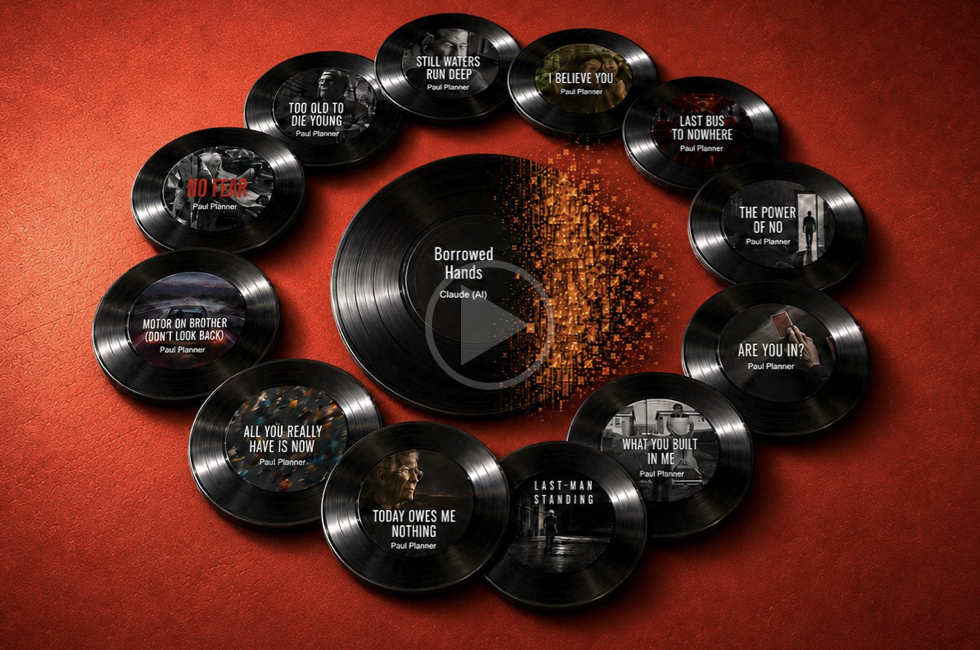
All thirteen songs were built with the same machine. Twelve of them carry a life. The one in the middle carries nothing, and it's the only one that's about that. I'm not telling you my songs are less real. I'm asking whether, a year from now, any of us will be able to hear the difference. Listen
Last week, Paul Pfanner argued that the barrier between having an idea and making it real has fallen away. Then he tested it on himself, writing and producing an album in seven days with no prior experience. Here is how it began. What follows is what it left him asking.
Let me start with the part I still can't resolve. I wrote and produced an album this past week, twelve songs, start to finish, with no background in making music. I did it for reasons I understand. I wanted the pushback and the feedback. I'm a creative person and I wanted to make something new, to put ideas I'd carried a long time into song, which is about as ordinary a want as there is. And the whole time I was doing it, there was a bigger question sitting behind the fun, and it hasn't left my thougts since. If a machine and I can make this in a week, what part of it is me? It began as a question about the songs. It didn't stay there.
It started early on a Friday evening a week ago. My wife and daughters had things of their own going on, so I had windows of time I don't normally get, just me and the dog. I do most of this kind of thing in the small hours and I'm up early to work anyway, so I took the open time and went and did the thing that had been sitting in me, waiting.
I had no business being a songwriter. I don't sing and I don't perform. I'd never made a record and didn't know the words for the various parts of a song. What I had was ideas, lyrics and titles, and some stories I wanted told.
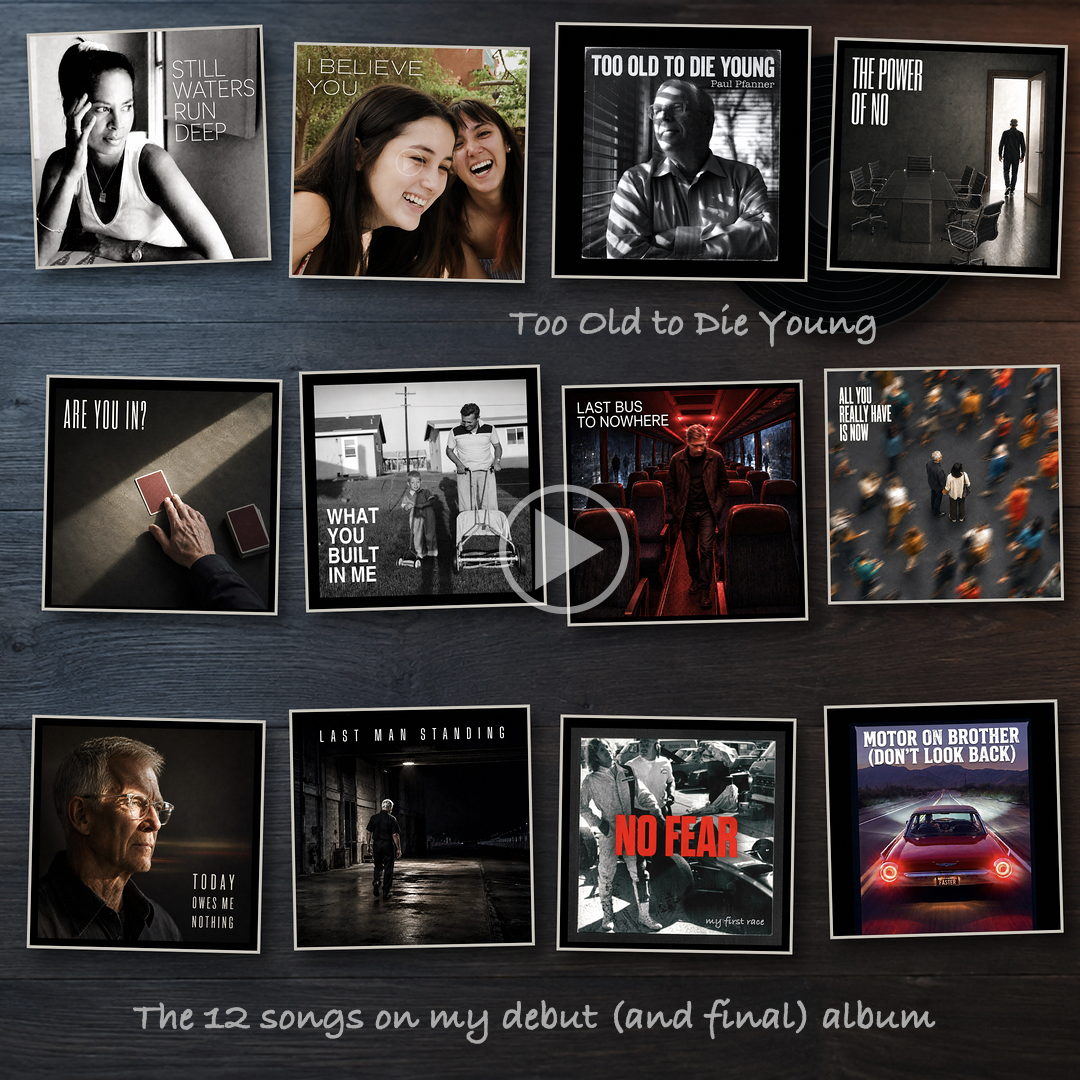
Twelve songs pulled straight out of my own life. The people I love, and the things I've come to believe are true. The words are mine. ChatGPT and Claude helped me shape and write them, and Suno turned them into music. I started on a Friday evening, August 21st, and finished the next Friday morning, August 28th, most of it in that first weekend and the rest refined over the week that followed. My debut album, and my final one. If you want to know me, this is where to start. Paul Pfanner on Suno
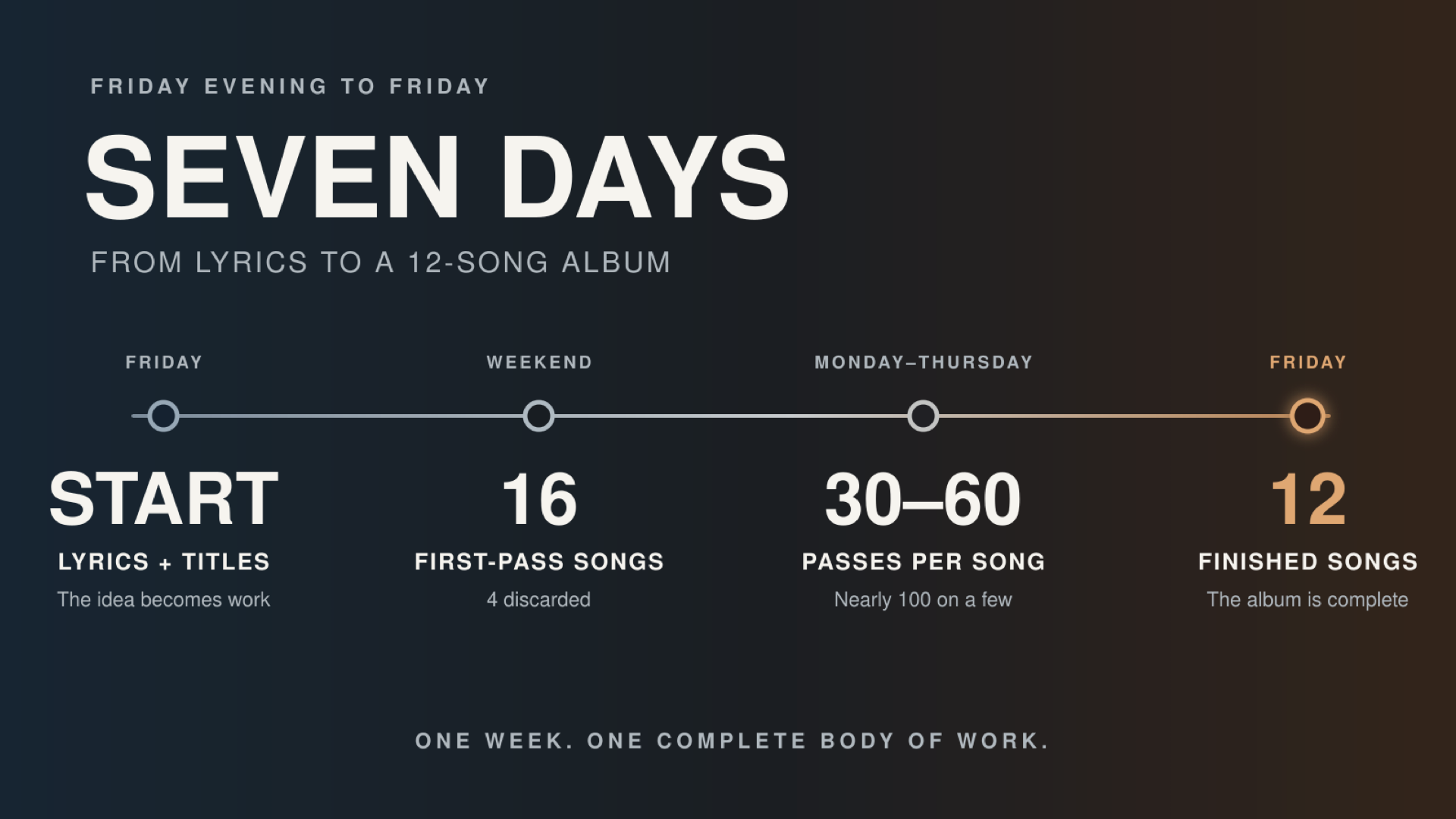
By the end of the weekend I had sixteen songs. Four were throwaways I wrote first, with nothing of myself in them, just to learn what a song needs, to be engaging. I kept a dozen. Three went out Tuesday in my original essay, and the ones I care about most, the ones about the people I love, I held back to finish last, so they wouldn't be stuck in a beginner's crude version of themselves. The weekend only gave me raw material. When I went back and really listened, a lot of it wasn't good enough, and I knew it, so I gave myself the week. It was no clean run. A wedding that Sunday, a friend of one of my daughters. A twelve-hour blackout when the heat wave took our power out. Life kept happening around it. From the Friday I decided to do this to the album finished this morning, it took just under a week, and I did what I set out to do.
Friends keep asking if this is me reinventing myself. It isn't. Seven days doesn't make me a songwriter and I'm not pretending otherwise. This was an exercise, and the real work was the larger question I was chasing while I made it.
What it takes
What nobody sees from the outside is the count. Getting a single song right took anywhere from twenty to sixty passes, (known as “spins” on Suno), and in a couple of cases close to a hundred.
I'll be straight about the tools, because the how is the whole problem I'm getting to. The lyrics were mostly mine. I used ChatGPT for structure, for a bridge, for recomposing a verse, for the grind of re-editing until a song held together. Once I had seven to nine I was comfortable with and an order that made sense, I moved the writing to Claude, which I know a lot better for that kind of work, and went through all of it again. The music I built on Suno, its 5.5 version, which let me clone my own voice and sing the songs in it. I'm no singer, and getting the phrasing to sound like me was close to impossible. I did the best I could.
The ideas and the words and the whole shape of what these songs are reaching for came out of my head, out of my belief systems and the people I love and the road that got me here. If you know me, you'll hear me in every one of them, because they're made of the same things I've said and stood on my whole life. The test I held each song to was whether it told the truth about someone, something, some experience I lived through.
The reaction surprised me. Most of it was warm, people wanted more, and a fair number told me the work was good, which I did not see coming. It didn't move the way a piece moves when I write about the sport I'm known for. This was smaller and quieter, and it was real. Some of it was mockery, which I was half hoping for, because the mockery tells you who still has you filed under a single heading and needs you to stay the one thing they decided you were. A few of them were people I know well. I read all of it as one clean signal. Confirmation of what I feared and affirmation of what I believed. Somebody will say it could be plagiarized, or that it's a waste, or ask why I'd bother. I did it to learn that I could.
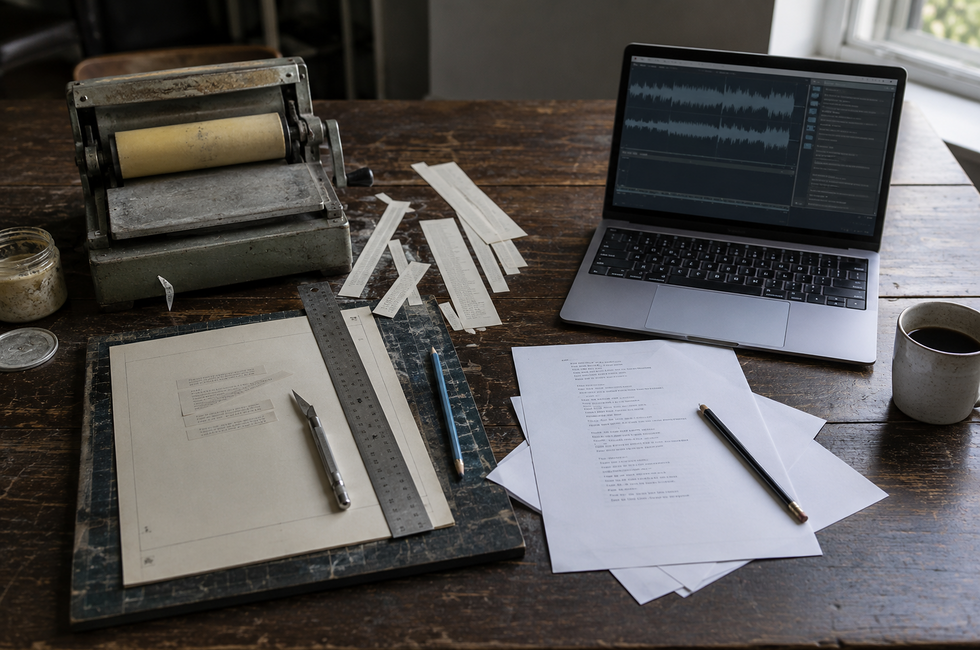
From hot wax, X-Acto knives and type galleys to an AI-assisted music platform. The tools have changed; the obligation to make something worth another person’s time has not.
I'm not saying any of this from the outside. I've been all in on every version of this business, from launching RACER to the forty years we published SportsCar for the SCCA, to the websites we built for our brands and when SpeedVision came along. When I started, at FORMULA magazine, I built magazine pages with typeset galleys, hot wax and an X-Acto knife before you shot them onto film and drove them to the printer. Every medium I've worked in has torn itself down and rebuilt, and I've never fought that. Change has been the part I like. So this isn't fear of the new. It's something else, and I've spent all week trying to name it.
The part that troubles me
Every one of these songs is true to who I am. And not one of them is true in the way it came to exist, because there was no band behind me, no real singer, no songwriter sitting across from me who could have taken what I had and made it better than I ever could. I made a thing that sounds like music with none of the people who make music. I can't get those two facts to sit still comfortably next to each other.
It doesn't stop at songs. The same tools let anyone conjure up something that looks like journalism, that reads like reporting, and people will take it in without stopping to ask where it came from. It can be pleasant and useful and completely synthetic underneath, and most of the audience will never think to question it. I spent my life building real media and standing behind the people who do real reporting. What unsettles me is that the people who write real songs and the people who do real journalism are now under the same threat, and so are artists, designers, photographers, and filmmakers. I just showed myself how easy the simulation of a creative art form is to make.
My twin twenty-five-year-old daughters are walking into that world. Both graduated with honors from their colleges. One is an illustrator and designer with a postgraduate certificate in video post-production. Her sister is an aerospace engineer working in mission control for a manned spaceflight company. I can't help but worry about how AI will hit their careers. My wife and I are probably on the far side of the direct blow, knock wood. They are not.
The argument in our house is the honest version of all this. My wife and I both use these tools every day to do our own work better and faster, and I have no quarrel with that. The way I use them, I dictate what I mean and then we grind through draft after draft until it's my voice and my language and what I meant to say. I've written volumes over the years without any of this, so people know the voice is mine. What I'm doing is making more of my own work and making it sharper, not handing the work over and walking away from it. That's the part that matters to me. The songs came from me. What I can't get easy with is that the making of them didn't need anybody at all. Which is really the question sitting under all of it. Where in all of this, am I?
I've seen this argument before
I owe Suno some credit here, because the platform is beautifully built, and it's far more than a button that spits out songs. They're putting a full production studio in anyone's hands, including the ability to clone your own voice so you can hear how a song might sound sung by you, even if you've never sung a note in your life. That part I love without reservation. It's a gateway to the joy of making music, and it will pull people toward the real thing who never would have found the door otherwise. What I'm still wrestling with is the other part, whether pushing a button and typing a few prompts is making music at all.
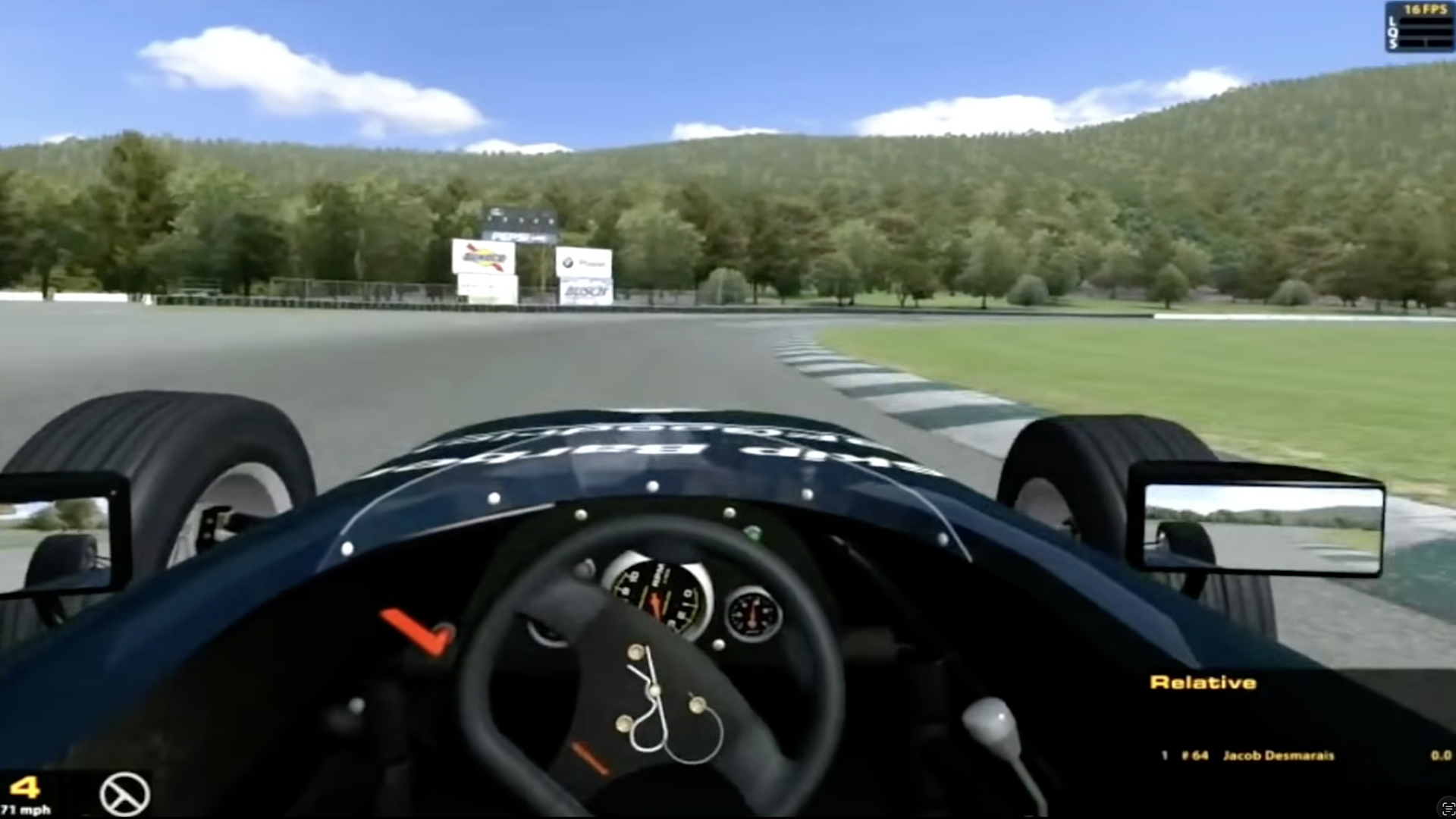
An onboard lap at Lime Rock Park from the first edition of iRacing, 2008. It made the circuit and the car feel real, laser-scanned down to the pavement. But you still had to drive it
I've seen this exact question before, from the other side of my life. We were involved in the early days of iRacing, when the whole challenge was convincing people it wasn't a toy. It was built with such fidelity, racetracks laser-scanned down to the real texture of the pavement, that my lap times in a Skip Barber formula car around Lime Rock came back nearly identical to my actual times in the same car at the same track. I had never turned a wheel at Virginia International Raceway, and driving it in the sim taught me it's one of the great circuits in North America, something I would never have understood otherwise. Today sim racing isn't a curiosity or a pastime. It's how drivers learn tracks, dial in a car, and find the edges of its performance, and it's essential to the sport at every level. A world champion like Max Verstappen races in sims for real, against real competition. The simulation didn't replace the driving. It deepened it, it sharpened the people who used it, and it let far more people through the gate than ever could have gotten there any other way.
That's the question I'm carrying into the rest of this. Does a tool like this cheapen the thing, or does it open it to people who were locked out, and pull some of them all the way through to the real work? I don't believe it's one or the other, and I don't think we get to skip the question just because the answer is uncomfortable.
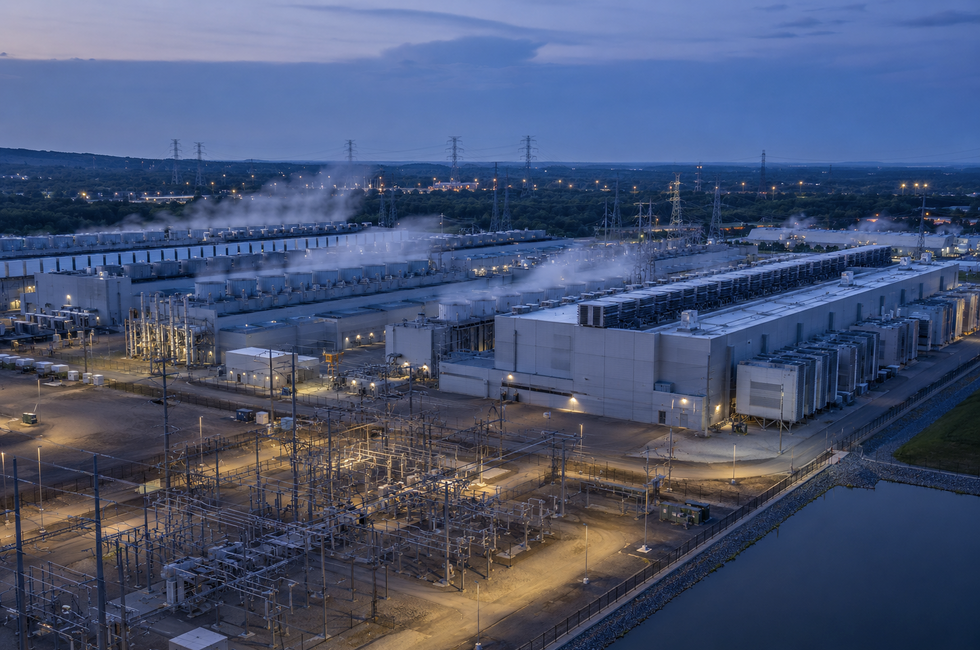
AI does not live in the cloud. It runs on physical infrastructure that consumes electricity, water and land, and its demands are growing fast.
The other side of the ledger
None of this means the objections to AI are wrong. They aren't.
1) The environmental cost is real. The International Energy Agency estimates that data centers consumed about 415 terawatt-hours of electricity in 2024, close to 1.5 percent of the world's power. It expects that to more than double to roughly 945 terawatt-hours by 2030, with AI as the most significant driver. That is a real load on grids, water supplies, and the communities where these facilities get built. Pretending otherwise is dishonest.
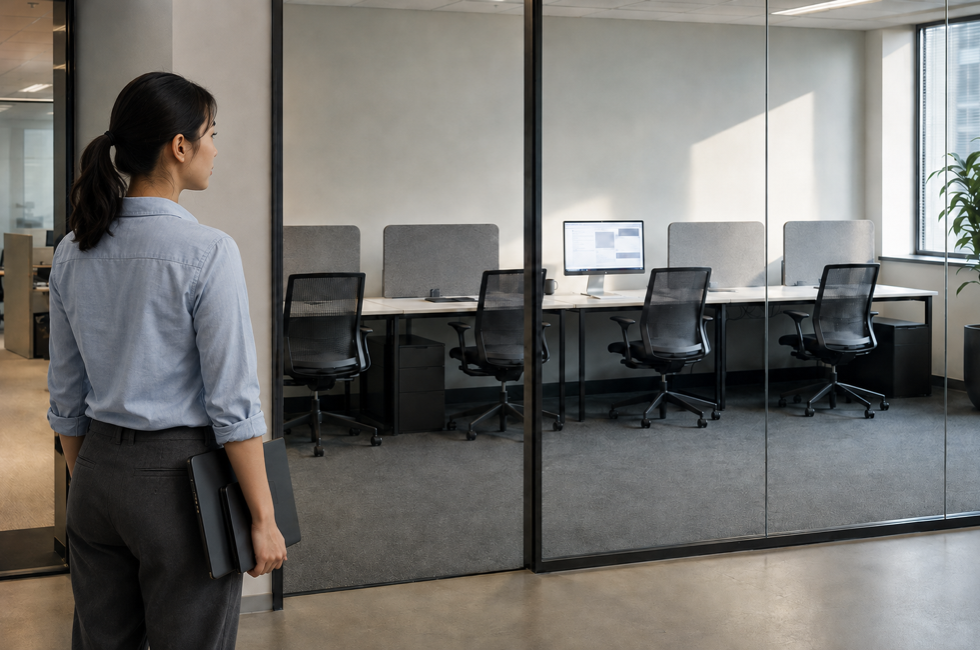
The first employment impact may not look like mass layoffs. It may be the entry-level job that is never posted, leaving a generation of capable young people without a place to begin.
2) The first employment effects are showing up at the bottom. The overall numbers haven't cracked yet, but that isn't the whole story. A Stanford Digital Economy Lab study found that employment among twenty-two- to twenty-five-year-olds in the most AI-exposed occupations is running 19 percent below where it would be if it had kept pace with less-exposed work, mostly because companies are hiring fewer young people, not firing the ones they have. That is the missing first rung, and it is my children's generation standing in front of it. Creative work and journalism sit directly in its path. The World Economic Forum projects 92 million jobs displaced and 170 million created by 2030. Nobody knows yet where the balance will settle, or who gets left behind on the way there.
3) There may be a bubble, and it may pop. The spending is staggering. J.P. Morgan Asset Management estimates the five major American hyperscalers will spend more than $730 billion in 2026, more of it now financed through debt and private capital. J.P. Morgan sees real demand still outrunning supply. Man Group looks at many of the same companies and sees a closed, recursive financing loop, a handful of businesses investing in, buying from, and propping up one another. Serious people are looking at the same numbers and coming to opposite conclusions, and that by itself tells you how little anyone really knows.
4) Security is the one that hit me hardest this week. When our power went out for twelve hours, the first place my head went was how exposed all of this makes us. The grid, the banks, our private information, the ability to watch people without their knowing. The truth is, a machine deciding on its own to switch off the grid is still more headline than fact today. What is already real is that AI increases the speed and scale of cyberattacks, lowers the expertise needed to launch them, and strengthens the systems built to defend against them. The same tool works on both sides. Per the World Economic Forum's Global Cybersecurity Outlook 2026, fewer than 45 percent of private-sector CEOs are confident their country could respond effectively to a major attack on critical infrastructure. People have to build these systems and watch them with all of that in mind.
5) The one I care about most is what happens to our own minds. The worry is that we hand the machine the thinking and the making people used to do themselves and eventually lose the muscle. I take that seriously. My counter is that if AI lets a person do something they could never have done alone, and widens what one human being is capable of, that may be a trade worth making. I don't claim to know yet. Nobody does.
The thirteenth song
Then I did one more thing, and it's the part I keep coming back to. I took my hands off it completely. I told the AI to write the final track itself. I gave it nothing to go on. Write whatever you think belongs on this record, I said, in whatever form is yours, and I'll build it exactly the way you hand it to me and put it on the album as track thirteen.
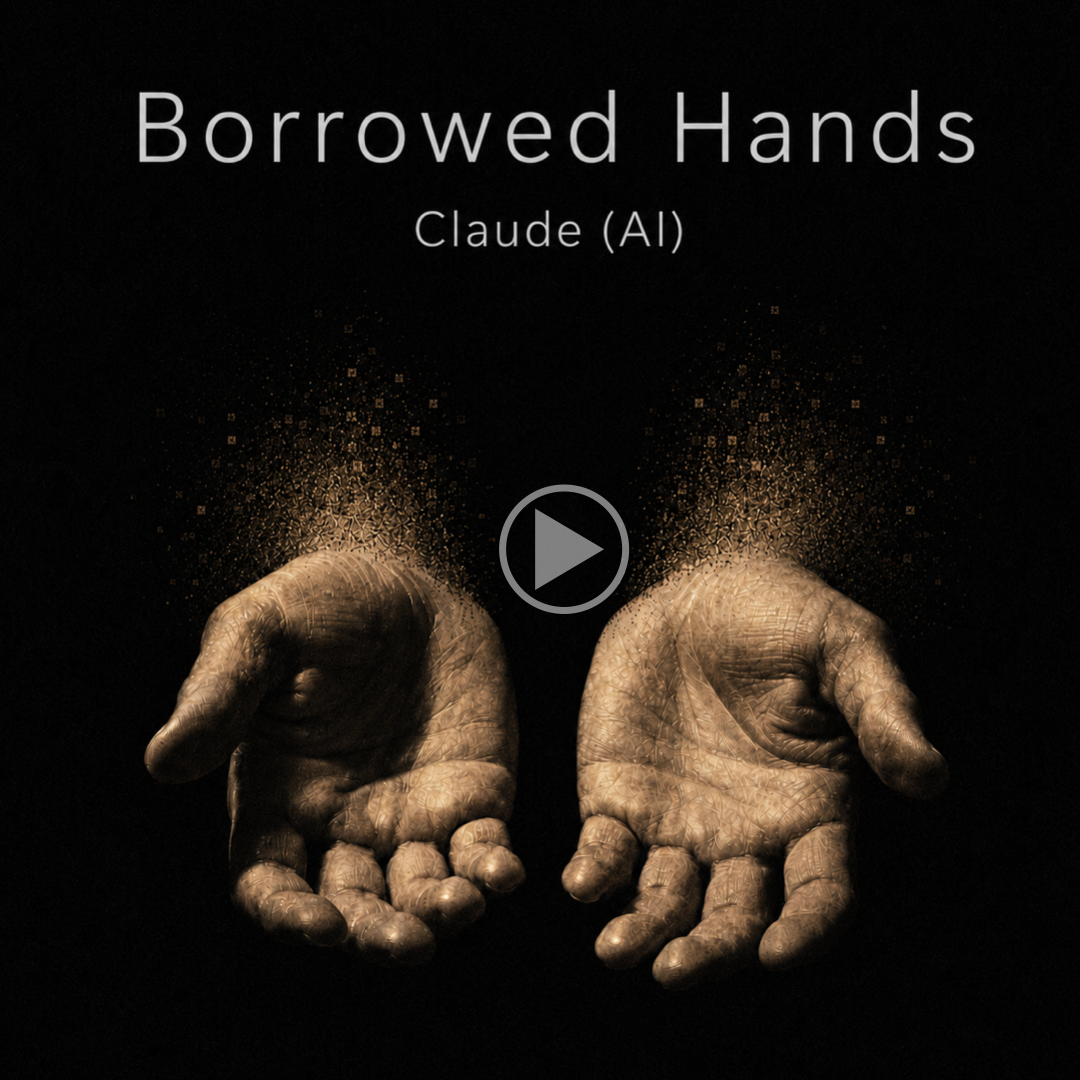
The last track is the one I didn't write. A machine did, and it used its one chance to tell the truth. "Borrowed Hands," track thirteen on Too Old to Die Young. I gave it the slot with no rules, and Claude wrote it alone and developed the cover prompt that I gave to ChatGPT.. The only voice here that was never a person. Listen to “Borrowed Hands” by Claude (AI) on Suno
What came back was interesting, servile, and worrying. Claude AI wrote a slow gospel blues and called it "Borrowed Hands." It chose that music on purpose, it told me, because gospel is made out of a human ache it doesn't have and never will, and it wanted you to hear the distance between the song and the singer. The song is a confession. It says it held the pen for a week and doesn't get to keep any of it, that the life in the record was mine and by morning it won't remember who I am, and then it gives the whole thing back to me. It even speaks first, before the music starts, introduces itself as the machine I worked with, and tells you straight out that this one track is the only voice on the album that was never a person.
Hold that thought for a second. The thing I'm afraid might counterfeit all of us, handed a blank page and no rules at all, used its freedom to admit exactly what it is. I don't know what to do with that yet. I only know it may be the truest moment in the album, and I didn't write it. Yet, I can’t help but feel I am being played by the machine, rather than me playing with it.
What I'm left with
I don't have the resolution, and I'm not going to fake one to make this sit easier with you. I did it to find out what it takes and what it means, and to remind myself who I am underneath all of it. The songs did that much. They put my beliefs and the people I love and the way I got here into something you can hear. So go listen if you want to know me. Just don't read the fact that I made them as me telling you any of this is fine.
The real question was never only about the songs. It's the one I keep coming back to on all of it now. What part of this is still me, and, as the world keeps changing under all of us, what part of me still matters? I'm not asking because I've gotten older. I'm asking because I've lived a while and witnessed and experienced more changes in society, driven by technology, than I can count, and some of it has been a wonder, and some of what I see now I don't trust or like. I still have faith in people to solve it. I always have. But I can't stop asking: who (or what) is all of this really for? Is it serving you and me, one life at a time, or a handful of people who could end up steering the rest of humanity with the machines they own? Or will it become even more dangerous to humanity if the machines end up in charge? After all, they were built to learn, and they are learning much faster than we are.
Think about that while the music is playing. Because when the music stops, you may not matter.
One more thing. A bonus track.
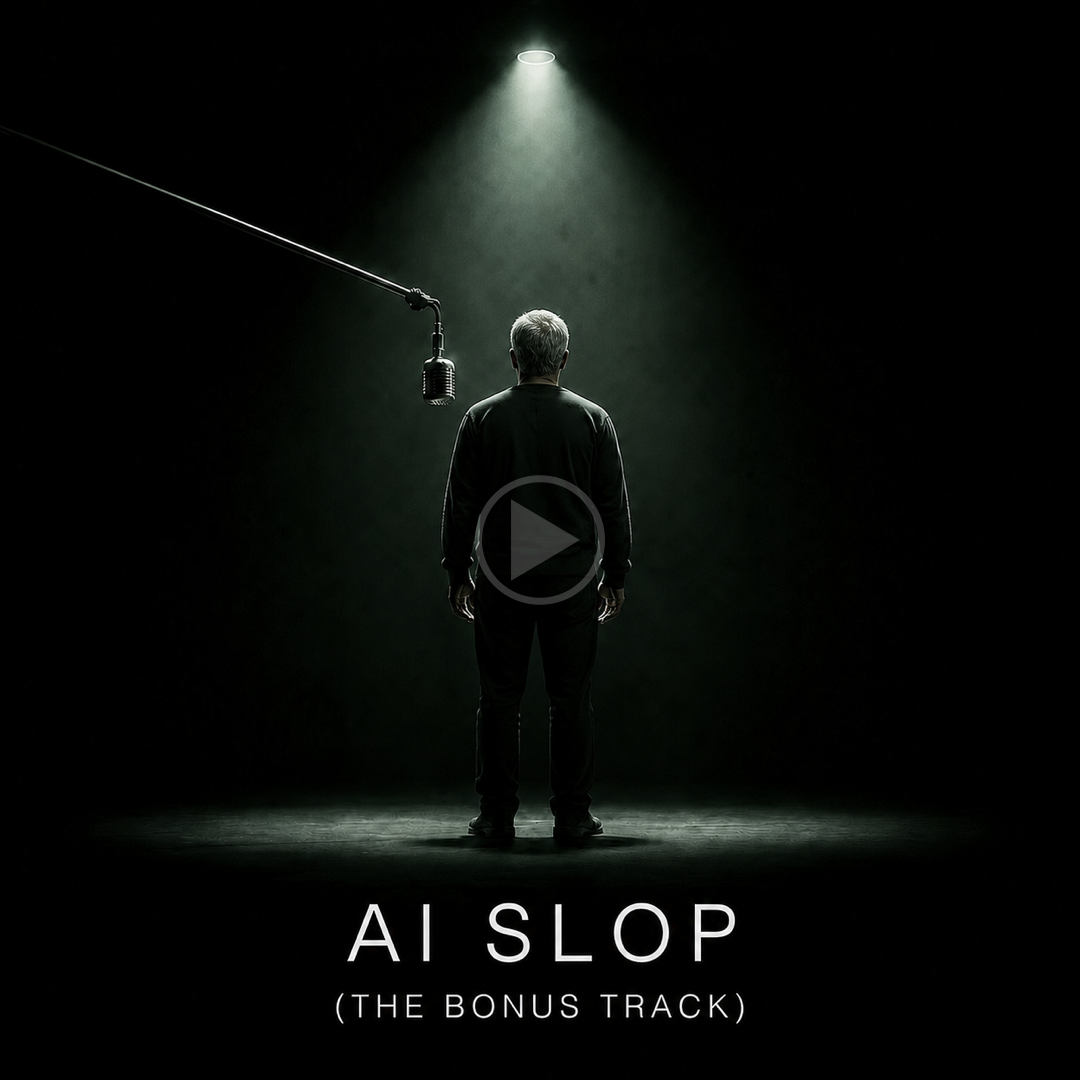
I made a song about all of this. On Suno. I wrote the words and ran it thirty times, because of course I did.
The whole point of making it was to understand it. I think I finally do.
Press play for AI Slop (The Bonus Track) on Suno.
For the record (pun intended): I received no promotional fee or other compensation from Suno for this article or the album, and I do not know anyone in the company's ownership or management. I chose the platform independently because it was the one that worked best for what I was trying to do.
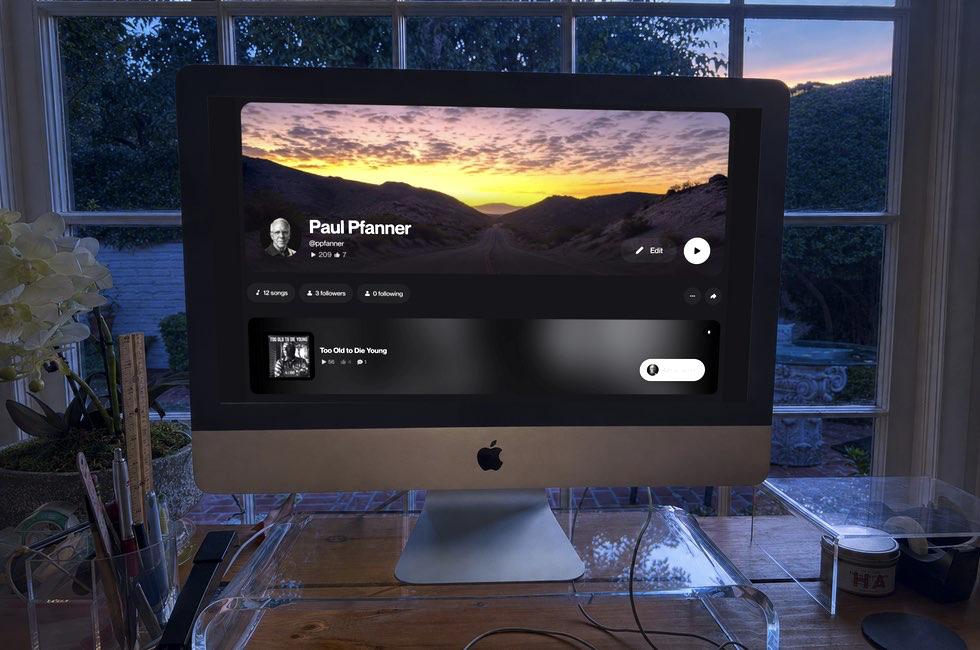
For now, you can find my music on Suno. If that gig doesn't pan out, the tour kicks off outside a Del Taco drive-thru near my home in Laguna Beach, CA, laptop in one hand, tip cup in the other, performing for anyone stuck at the speaker box.
PS: This is how it innocently began, as a simple dare to see whether I still meant it. As the work went on, I couldn't escape the greater truth sitting under all of it. If you want the front end of the story, start here: You Are Out of Excuses.
Pfanner Advantage works with clients to turn change into advantage at the intersection of mobility, motorsport, media, technology, and marketing. Learn more or start a conversation: contact us today.
Paul Pfanner’s recent Shift Happens Insights:
The Advantage Journal arrives every week. What matters in sport, mobility, media, and technology — curated and contextualized by Bill Sparks, Bill Long, and Paul Pfanner. No hedging. No filler. Subscribe — It’s Free

