
Independent Creators as Brand Storytellers
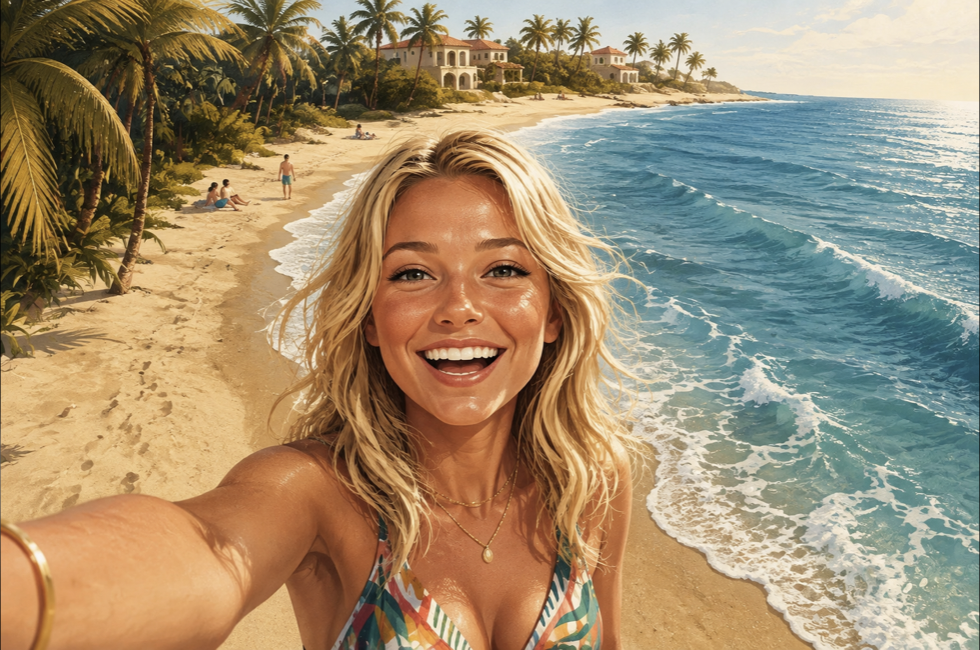
A social media influencer can tell a brand's story in her own words, to an audience that trusts her, in a format she designed, on a platform where the audience came to hear from her. What makes it work is that the brand does not control the script.
Part four of Bill Sparks' series on the evolution of branding. Trusted content creators can deliver very influential messages to their followers, but it means becoming comfortable with giving up control of your narrative.
In 1984, Nike signed a rookie basketball player named Michael Jordan to an endorsement deal that would eventually become the most valuable athlete-brand partnership in history. The structure was simple. Jordan was famous. Nike wanted to borrow that fame. Jordan appeared in ads that Nike's agency scripted, shot, and placed on television. The arrangement worked spectacularly, but the mechanism was no different from what companies had been doing with celebrity endorsers for decades: rent the celebrity's attention, attach it to the product, broadcast the result to the largest possible audience.
Forty years later, a 22-year-old fitness creator with 300,000 YouTube subscribers can do something for a brand that Michael Jordan never could in those early Nike spots. She can tell the brand's story in her own voice, to an audience that trusts her specifically, in a format she designed, on a platform where the audience came to hear from her rather than from the brand. The brand doesn't script the content. It doesn't control the production. And that loss of control is precisely what makes the arrangement work.
The Numbers Behind the Shift
Creator content ad spending reached an estimated $44 billion in 2026, according to industry tracking that built on the IAB's 2025 report designating creator marketing a "core media channel" alongside search, social, and display. That designation matters. It means creator partnerships are no longer an experimental line item in the marketing budget. They're a primary channel, and they're growing faster than the other categories.
The growth is being driven by a structural shift in how brands allocate spending. According to eMarketer, influencer ads emerged as media buyers' top ad priority for 2026, ahead of social display and connected TV. And the spending pattern has changed shape. Brands are moving away from one-off sponsored posts, the format that defined the first generation of influencer marketing, and toward long-term creator partnerships built around measurable performance. Roughly 70 percent of top brands now favor sustained creator relationships over single-campaign deals, according to data compiled by Keepface. The industry has matured past the phase where a brand paid for a single Instagram post and hoped for the best.
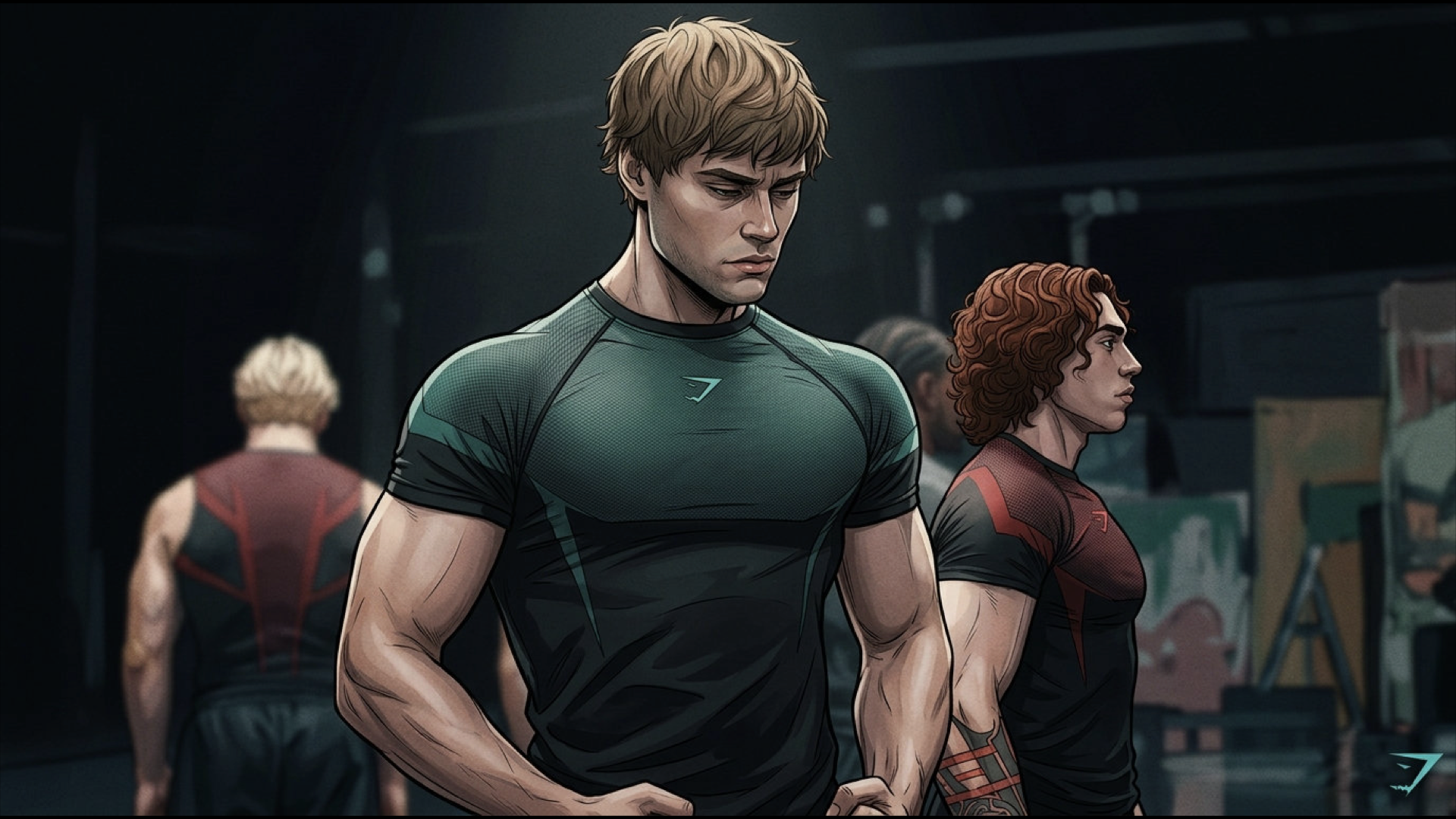
Gymshark is a company that started with no advertising budget and no access to retail distribution. The brand grew into a billion dollar business based entirely on creator relationships.
A Brand Built Entirely on Creators
No company illustrates this model more cleanly than Gymshark. In 2012, Ben Francis was a 19-year-old in Birmingham, England, screen-printing gym apparel in his parents' garage and selling it online. He had no advertising budget and no access to the retail distribution that established fitness brands controlled. What he had was an insight: a small but growing number of fitness enthusiasts were building audiences on YouTube by documenting their workouts, and those audiences were intensely loyal.
Francis started sending free product to these creators. Not celebrities. Not professional athletes. People with followings that numbered in the thousands or low tens of thousands. The creators wore the gear in their videos, not because Gymshark was paying them to read a script, but because they genuinely liked the product and Francis had built personal relationships with them. The audience saw someone they trusted wearing clothing they could buy. The effect compounded. As the creators grew, Gymshark grew with them. By 2020, the company was valued at over a billion dollars. Forbes profiled Francis under the headline "From Bodybuilder to Billionaire."
Gymshark spent essentially nothing on traditional advertising during its first several years. The entire brand was built through creator relationships. What makes the case instructive isn't just the scale of the outcome. It's that Gymshark treated creators not as a distribution channel but as co-authors of the brand's identity. The creators didn't just carry the message. They shaped it. Gymshark's brand voice, its aesthetic, its community culture were all products of the creator ecosystem as much as they were products of the company itself.
What Changed Structurally
The Gymshark model has since been adopted, in various forms, across industries far beyond fitness apparel. What the mature version of creator partnerships looks like in 2026 differs from the early influencer marketing era in three important ways.
The first is editorial latitude. Early influencer deals were essentially digital celebrity endorsements: the brand provided a script, the creator read it, and the result felt as awkward as it sounds. The partnerships that perform best now give creators genuine freedom to interpret the brand's story through their own lens. This requires a brand to be comfortable seeing its product discussed in a way it didn't write and wouldn't have written. The tradeoff is credibility. An audience that has watched a creator for months or years can detect a scripted read instantly. Content the creator actually authored, in their own style and their own words, carries the trust the brand can't manufacture on its own.
The second is measurement. The early influencer economy ran on vanity metrics: follower counts, likes, impressions. The current model is built around performance. Brands track conversion rates, cost per acquisition, lifetime customer value from creator-driven traffic, and revenue directly attributable to specific partnerships. This shift has made creator marketing accountable in ways that traditional advertising often isn't, and it has simultaneously filtered out creators who could generate attention but not action.
The third is what Forbes, in an April 2026 analysis, called "the great convergence." The disciplines of social media management, brand strategy, and talent management are merging into a single function. Companies are building internal creator relations teams that operate more like talent agencies than marketing departments, managing portfolios of creator relationships the way a previous generation managed media buys. The organizational chart is changing to reflect the reality that creator partnerships are not a tactic within a marketing strategy. They are, increasingly, the strategy.
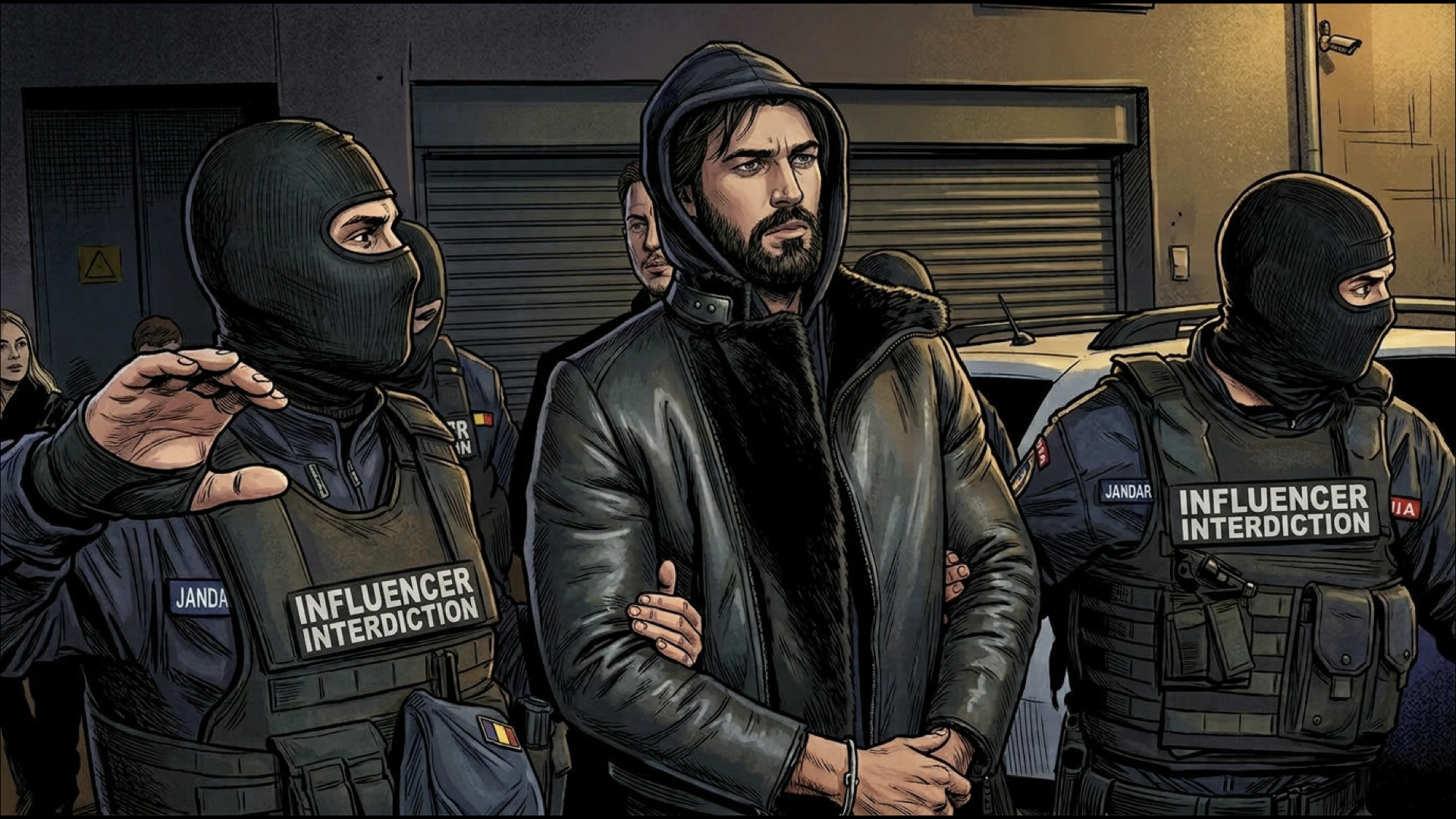
Influencer behavior can sometimes be unpredictable. A thorough vetting process is necessary for any major deal.
The Control Paradox
There is an obvious tension in all of this, and companies that ignore it tend to learn about it the hard way. The same quality that makes creator partnerships effective, the creator's independent credibility with their audience, is the quality that makes them unpredictable. A brand can't fully control what a creator says, and a creator who gets into a public controversy takes their brand partners along for the ride.
The influencer marketing industry has generated enough scandals, undisclosed sponsorships, offensive content, and creators whose personal behavior contradicted the brands they represented, that brand safety has become its own discipline. Platforms like CreatorIQ and Phyllo now offer vetting tools specifically designed to assess creator risk before a partnership is signed. The due diligence process for a major creator deal in 2026 looks more like the background check you'd run on a senior hire than the casual DM that sealed deals five years ago.
But the deeper tension isn't about scandal prevention. It's philosophical. The entire value of a creator partnership rests on the creator's authenticity, and authenticity, by definition, cannot be fully controlled. A creator who only says what the brand wants them to say becomes, in the audience's eyes, just another ad. The brands that navigate this well have learned to tolerate a degree of unpredictability in exchange for something more valuable: a storyteller the audience actually believes.
From Distribution to Narrative
The shift from celebrity endorsement to creator partnership represents something more fundamental than a change in channel or format. It's a change in who tells the brand's story and where the authority to tell it comes from. In the old model, authority flowed from fame. In the new model, it flows from trust, built one video, one post, one interaction at a time between a creator and the people who follow them.
This is a significant concession for any brand to make. It means accepting that the most effective version of your story may be one you didn't write. For companies willing to make that concession, the creator economy has become the most powerful storytelling infrastructure since television. For companies that can't let go of the script, it remains a frustrating channel that never quite delivers what the metrics promised.
The next post in this series examines what happens when companies go a step further still, handing the narrative not to a single creator but to an entire community.
Next in the series:
Community as Brand — Building Loyalty Through Participation
Pfanner Advantage works with clients to turn change into advantage at the intersection of mobility, motorsport, media, technology, and marketing. Learn more or start a conversation: contact us today.
The Advantage Journal arrives every week. What matters in sport, mobility, media, and technology — curated and contextualized by Bill Sparks, Bill Long, and Paul Pfanner. No hedging. No filler. Subscribe — It’s Free