
Why the Old Branding Playbook Stopped Working
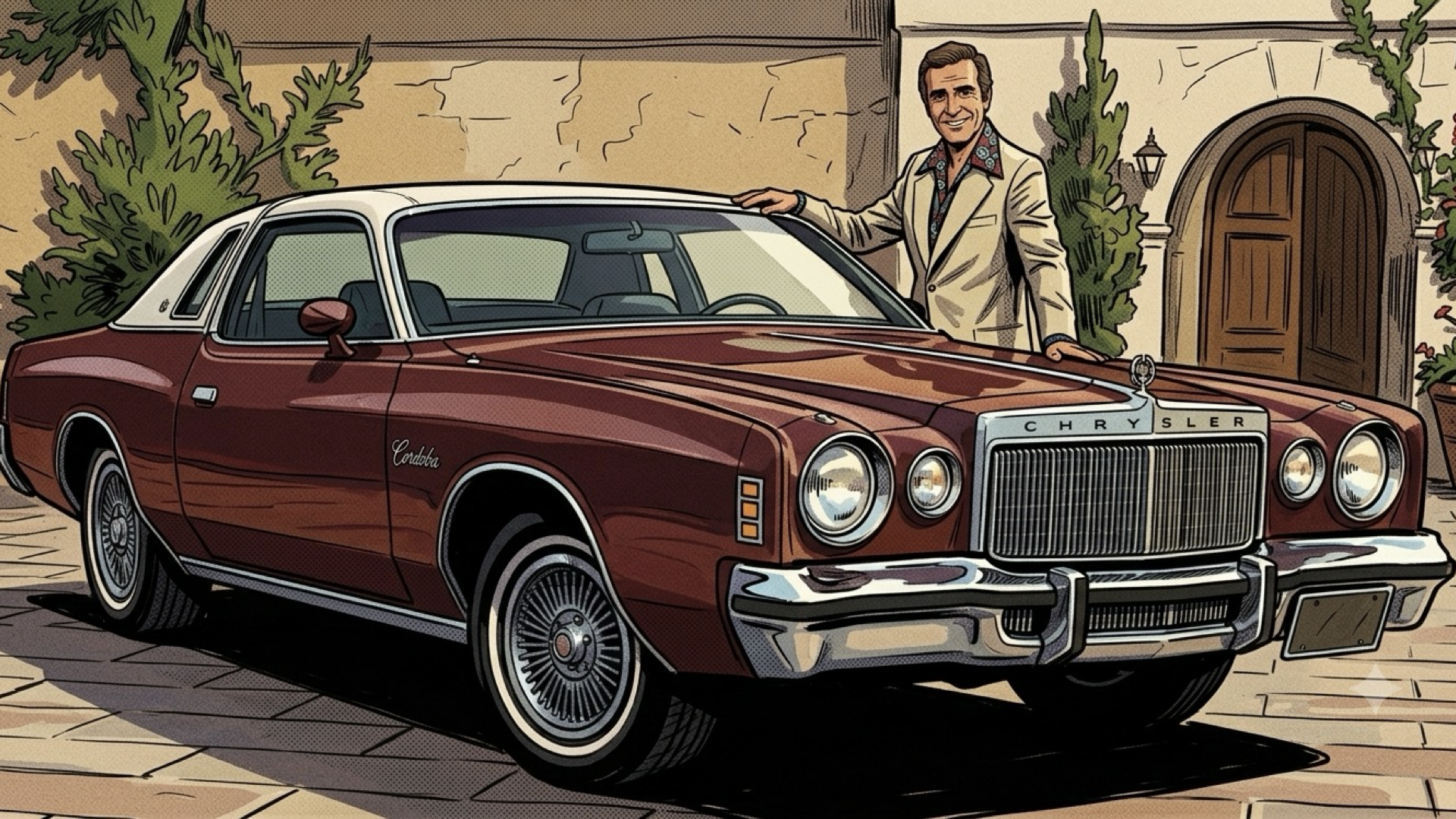
Every American alive in the 1970s learned about “rich corinthian leather” from a series of Chrysler commercials featuring Ricardo Montalbán. The material was actually sourced in New Jersey, but the campaign demonstrated the power of the 30-second TV spot when three networks reached 90% of the audience.
The machinery of brand storytelling has been dismantled and completely rebuilt over the past fifteen years. This is the first in a series by Bill Sparks on how this evolution is changing the way companies communicate.
In the 1970s, three TV channels commanded more than 90 percent of American viewers. A single, frequently repeated 30-second spot could build a brand. Those days are gone and Bill Sparks examines how companies have adapted to the new era of corporate branding.
This is the first in a series on how companies tell their stories in a landscape that no longer resembles the one most marketing careers were built on.
There was a time when telling a brand's story was, if not simple, at least structurally straightforward. You hired an agency. The agency developed a campaign. The campaign ran on television, in magazines, and on billboards. A PR firm shaped the narrative in between. And because the audience had limited choices about what to watch, read, or listen to, the system worked. For decades, it worked extraordinarily well.
That system hasn't vanished entirely. But the economics, the channels, and the audience behavior that made it hum have changed so fundamentally that the playbook built around them is now a liability for companies still using it.Understanding what replaced it starts with understanding what made the old model so effective in the first place, and the specific sequence of fractures that broke it apart.
The Power of a Captive Audience
Through the 1970s, three television networks commanded more than 90 percent of American viewers on any given evening. That number is almost impossible to comprehend today, but it meant something concrete for brand storytelling: a single well-placed ad campaign could reach virtually the entire country. Procter & Gamble understood this better than anyone. The company didn't just buy advertising time on television; it invented programming formats to carry its message. The term "soap opera" exists because P&G created serialized daytime dramas as vehicles for selling Tide, Ivory, and Crest. The brand didn't interrupt the content. The brand was the reason the content existed.
This wasn't a quirk. It was a strategy built on a structural reality. When consumers had three channels to choose from and no way to skip commercials, repetition worked. A 30-second spot that aired during prime time didn't just communicate product features; it built emotional associations that accumulated over years. Coca-Cola's "I'd Like to Buy the World a Coke," Apple's "1984," Nike's early "Just Do It" campaigns. These weren't ads in the way we think about ads now. They were cultural events, made possible by a distribution monopoly that guaranteed the audience would be sitting there, watching.
The magazine business operated on similar principles. A full-page ad in Life, Time, or Vogue reached a mass audience that was already segmented by interest, giving advertisers both scale and targeting in a single buy. Print advertising revenue for U.S. newspapers alone peaked at roughly $49 billion around the year 2000, according to data compiled by the Newspaper Association of America. That figure, adjusted for inflation, represents an industry that was printing money by selling access to attention.
And the PR apparatus that wrapped around all of this was built for a media landscape with clear gatekeepers. A handful of editors, anchors, and columnists determined what stories got told. A skilled PR team could shape a brand's public narrative by managing relationships with a few dozen key journalists. The information flowed in one direction, and companies that mastered the flow had enormous control over how they were perceived.
The Fractures
The system didn't collapse overnight. It eroded in stages, each one removing a structural support that the previous generation of marketers had taken for granted.
Cable television was the first crack. By the mid-1990s, viewers could choose from dozens, then hundreds of channels. The big three networks' share of prime-time viewership dropped from above 90 percent to below 50.Individual shows still drew large audiences, but the days of reaching a majority of American households with a single ad buy were over. Advertisers responded by buying more placements across more channels, which drove costs up and diluted the storytelling power of any single spot.
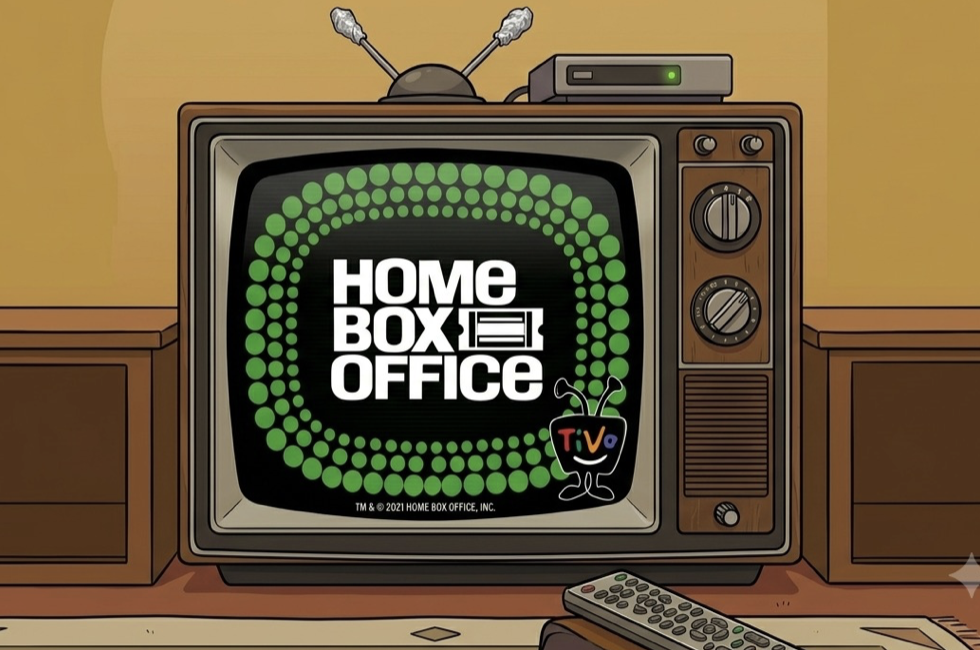
The classic mass-market TV advertising model began to fracture in the mid-1990s when dozens of cable channels became available. DVR-based time shifting and commercial skipping broke it even more.
Then came the DVR. TiVo launched in 1999, and within a few years, time-shifting had introduced something the advertising industry had never confronted at scale: the ability for viewers to simply skip the ads. Research from those early DVR years showed skip rates above 80 percent for recorded programming.The 30-second spot, the fundamental unit of brand storytelling for half a century, suddenly had to contend with the possibility that nobody was watching it.
The internet accelerated everything. Search engines gave consumers a way to find information about products without waiting for a brand to push it to them. Review sites and forums broke the information asymmetry that had given PR teams their leverage.When a company could no longer control what a consumer knew about its product before walking into a store, the old narrative management model started to buckle.
But the smartphone was the fracture that made the others irreversible. The iPhone launched in 2007. Within a decade, the average American was spending upward of four hours a day staring at a screen they carried in their pocket, a screen filled with apps, social feeds, and content streams that competed with anything television or print could offer. By 2025, that figure had climbed past seven hours per day on screens overall, according to data tracked by multiple research firms. The audience that used to sit still in front of a television set was now in constant motion across platforms, and no single channel could reliably find them.
The Numbers Tell the Story
The financial data makes the scale of the shift hard to argue with. U.S. newspaper advertising revenue, which had hit that $49 billion peak around 2000, dropped nearly 60 percent over the following decade, according to Marketing Charts. It kept falling. The newspaper ad business didn't slowly decline; it collapsed, taking with it the ecosystem of editors and beat reporters that PR teams had spent decades cultivating.
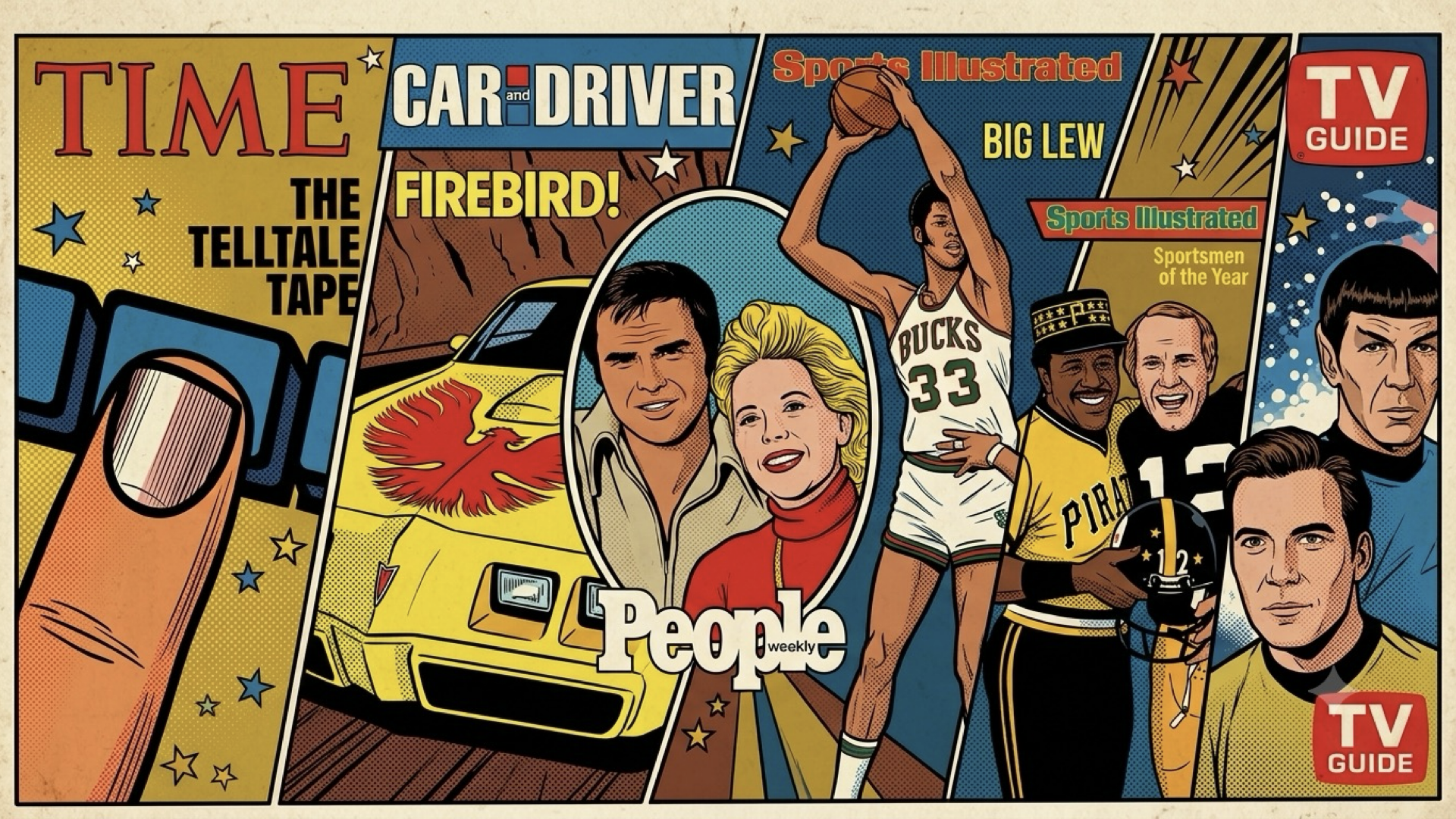
Magazine and newspaper advertising is just a fraction of what it was at the turn of the century. Digital advertising reached nearly $300 billion in 2025.
Magazine advertising followed a similar trajectory. Total U.S. print ad spending, across newspapers and magazines combined, is now a fraction of what it was at the turn of the century. The U.S. Census Bureau's Service Annual Survey documented the trend with clinical precision: internet revenue overtook print revenue, and print never recovered.
Where did the money go? Digital. U.S. digital advertising revenue reached $294.6 billion in 2025, according to the IAB's Internet Advertising Revenue Report prepared with PricewaterhouseCoopers. That's nearly $300 billion flowing to a channel that barely existed 25 years ago. And the growth is increasingly flowing to formats that look nothing like the old model. The IAB's creator economy report found that advertiser spending on creator content reached $37 billion in 2025, growing four times faster than the total media industry.Social media and video led the surge. Search, the channel that first disrupted traditional advertising, actually slowed.
The traditional advertising business isn't dead, but it's been miniaturized. Television still commands significant budgets for live events like the Super Bowl and major sports, but the cord-cutting numbers tell you where the trend line ends. Cable TV subscribers in the United States peaked around 2012 and have declined every quarter since. By early 2026, the majority of U.S. households no longer subscribed to traditional cable, according to tracking by AdWave. The audience that made the old playbook possible is literally canceling its subscription to the medium.
So What Replaced It?
This is the question the rest of this series will answer, and it's more complicated than "everything moved to digital." The shift isn't just about channels. It's about a fundamental change in who controls the narrative.
In the old model, a company told its story, and the audience received it. The company chose the message, the timing, and the medium. The audience's role was to watch, listen, and ideally buy. In the new model, the audience talks back. It talks to each other. It creates its own content about brands, shares its own experiences, and trusts peer recommendations over anything a company's marketing department produces. The story a company tells about itself now matters less than the story its customers, its creators, and its community tell about it.
The companies that have figured this out are investing in owned media properties, building creator partnerships that function as long-term storytelling relationships, fostering communities where customers participate in the brand narrative, and using AI to personalize that narrative at a scale the old mass-media model never attempted. The agencies that used to run the show are scrambling to reinvent themselves, with varying degrees of success.
How each of those pieces works, who's doing them well, and what it means for companies still trying to figure out the new rules is what the posts ahead will explore.
Next in the series:
The Trust Problem — Why Authenticity Became the Price of Admission
Pfanner Advantage works with clients to turn change into advantage at the intersection of mobility, motorsport, media, technology, and marketing. Learn more or start a conversation: contact us today.
The Advantage Journal arrives every week. What matters in sport, mobility, media, and technology — curated and contextualized by Bill Sparks, Bill Long, and Paul Pfanner. No hedging. No filler. Subscribe — It’s Free