
State of the Art Branding Case Studies
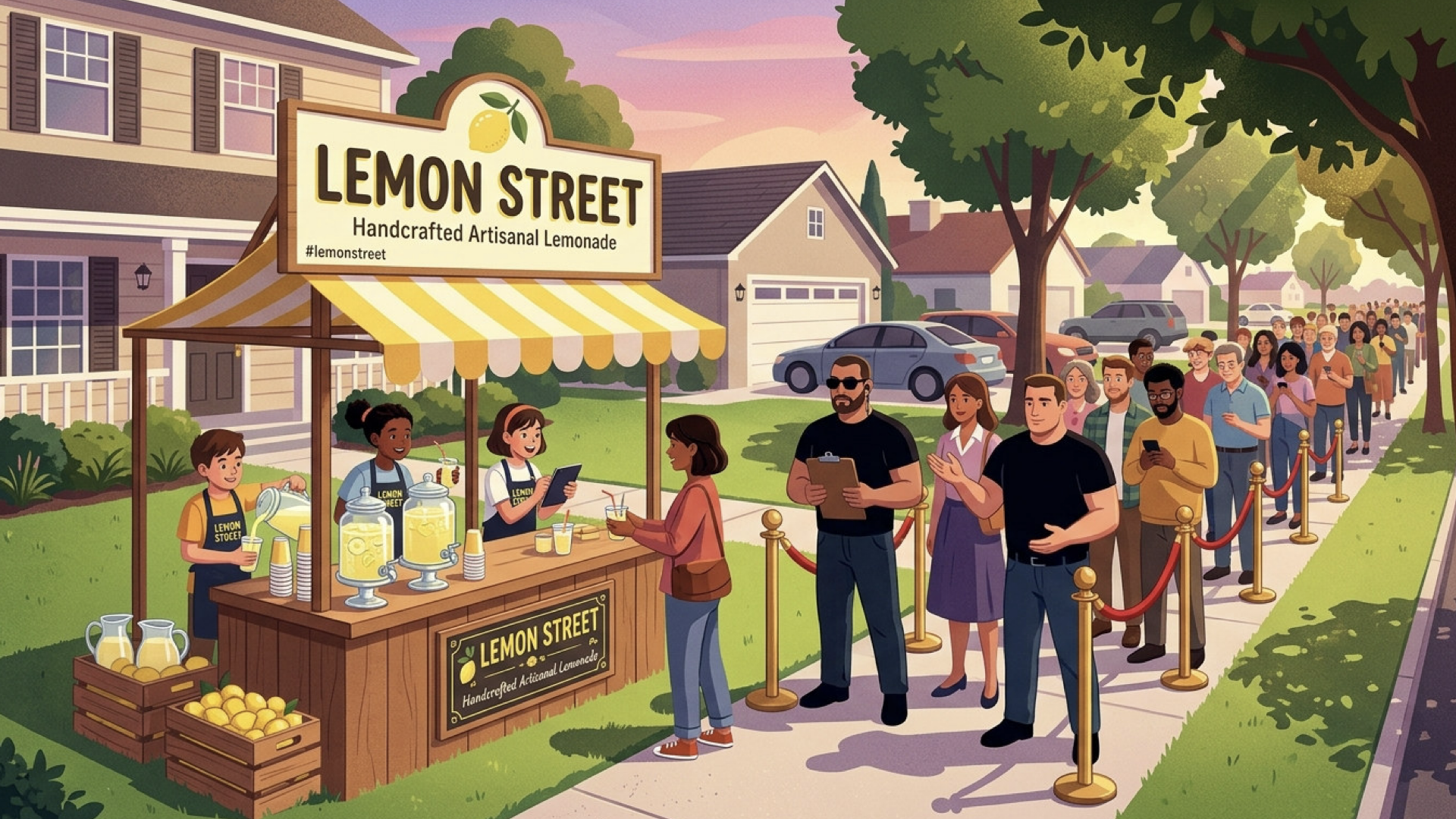
Regardless of business size, the basics of brand storytelling share common threads.
This is the eighth and final post in Bill Sparks' series on the evolution of branding. This installment looks at current storytelling best practices and the common threads that span different industries and company sizes.
The previous seven posts in this series mapped the structural shifts reshaping how companies tell their stories. What remains is the most practical question: who is actually doing this well, and what can others learn from them?
The answer cuts across company size. What follows is a look at companies across three tiers, large enterprises, mid-size and direct-to-consumer (DTC) brands, and small businesses, that have figured out how to tell their stories in the current environment.
The Large Enterprises
Nike's "Dream Crazy" campaign, featuring Colin Kaepernick, remains the most instructive example of large-company brand storytelling at its highest level. In September 2018, Nike made Kaepernick, who hadn't played in the NFL for two years after kneeling during the national anthem, the centerpiece of a campaign built around the line "Believe in something. Even if it means sacrificing everything." People burned their shoes on social media. Politicians called for boycotts.
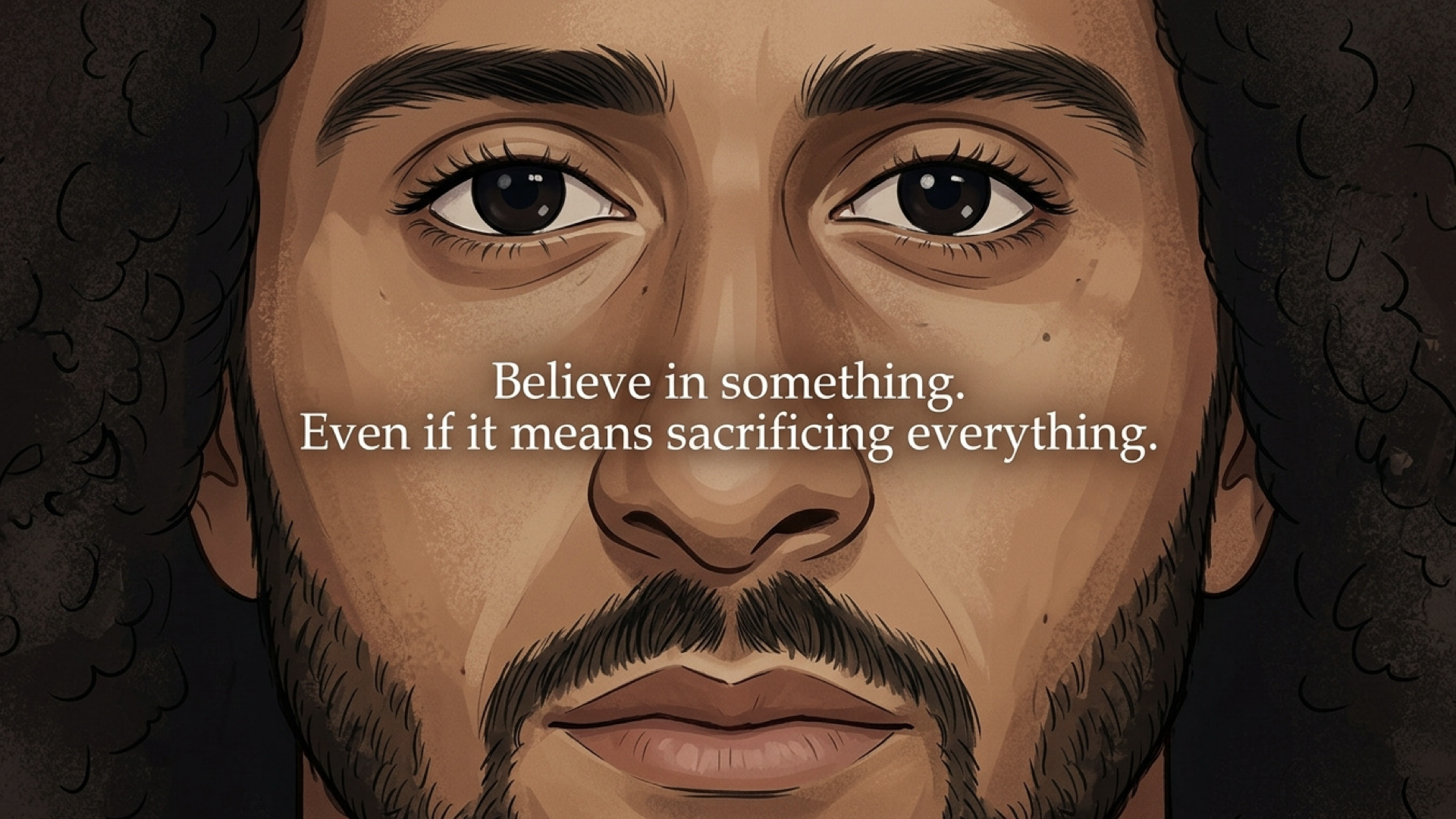
Nike’s successful Dream Crazy campaign proved that understanding the customers who actually buy your product is more important than doing what is politically popular.
Then the results came in. The campaign added an estimated $6 billion to Nike's market cap, driving the stock to all-time highs. What made "Dream Crazy" work was not that Nike picked a controversial figure. It was that Nike understood its audience well enough to know the controversy would strengthen the brand's connection with the customers who actually buy the product. The storytelling wasn't about sneakers. It was about identity.
Airbnb's transformation rested on a similar insight: the best brand story is one you don't have to pay to distribute.Beginning in 2019, CEO Brian Chesky shifted Airbnb's marketing budget away from performance marketing and toward brand building and PR. The company cut its sales and marketing spend from 28 percent of revenue in 2019 to roughly 18 percent by 2023. Airbnb's CFO told Marketing Week that the shift "was right," noting that the company gained market share against both hotels and Vrbo while spending less. A company with a strong enough brand story can generate demand through earned media and word of mouth rather than buying every click.
Patagonia pushed the logic further than any other major company. When founder Yvon Chouinard transferred ownership to the Holdfast Collective, an environmental trust, in September 2022, the announcement carried a brand narrative compressed to six words: "Earth is now our only shareholder." The move generated global media coverage no advertising budget could replicate, and it was credible because Patagonia had spent decades building a reputation for environmental commitment through its content, its activism, and its willingness to tell customers to buy less. The ownership transfer wasn't a marketing stunt. It was the logical conclusion of a brand story Patagonia had been telling for forty years.
Dove's "Real Beauty" campaign demonstrates something the other examples don't: narrative durability. Launched in 2004, the campaign challenged beauty industry conventions by featuring women of diverse body types, ages, and ethnicities rather than professional models. What's remarkable is not that the campaign was effective in its first year but that it has remained the backbone of Dove's brand identity for two decades. PR Week's analysis of the campaign's twentieth anniversary noted that Dove kept the narrative fresh by evolving the conversation, addressing AI-generated beauty standards and body image on social media, while never abandoning the central premise. Most brand campaigns last a quarter. Dove built one that lasted a generation.
The Mid-Size and DTC Brands
The Glossier and Gymshark stories have been told in earlier posts in this series. Both built billion-dollar brands through audience relationships rather than paid advertising, treating customers as participants in the brand's story rather than recipients of it. Both did this when they lacked the budgets to compete through traditional channels, which forced them into strategies that turned out to be more effective than the ones they couldn't afford.
Yeti is in some ways more instructive because it happened in a product category with no obvious emotional appeal. There is nothing inherently romantic about a cooler. But Yeti, founded by brothers Roy and Ryan Seiders, built a brand valued at over $3 billion by telling stories about the people who use its products rather than about the products themselves. The company's short documentary films, featuring fishermen, ranchers, rodeo riders, and backcountry guides, look nothing like product advertising. They look like independent films that happen to be funded by a cooler company. The Drum reported that Yeti's CMO has explicitly rejected the celebrity-influencer model, saying he would "never cede control to the whims of influencers and celebs." Instead, Yeti built an ambassador program around "real people doing real things,"professionals and enthusiasts whose relationship with the outdoors gives them credibility no paid endorsement can replicate.
The broader DTC landscape tells a related story. Shopify tracked at least eleven major DTC-to-brick-and-mortar transitions in 2025 and 2026, as brands that built their audiences online discovered that physical retail offered something digital storefronts couldn't: a space where the brand story becomes a tangible experience. The ones getting it right are treating their stores as storytelling environments rather than transaction points.
The Small Businesses
The most underreported part of the brand storytelling revolution is what's happening at the smallest scale. Small businesses have always had one structural advantage large companies spend billions trying to replicate: authenticity is their default setting. A founder who shows up on camera to talk about why she started her company is inherently more believable than a Fortune 500 CEO reading from a teleprompter.
The platforms that now dominate attention, TikTok, YouTube, newsletters, and podcasts, reward personality, consistency, and genuine expertise over production value and budget. A bakery owner who posts a daily TikTok showing how she decorates cakes isn't running a marketing campaign. She's sharing her work. But the effect is the same as what Nike and Yeti achieve at vastly greater cost: an audience that feels a personal connection to the brand because the brand is, visibly and obviously, a person.
Liquid Death demonstrates what happens when a small company treats brand narrative as its primary product. The company sells canned water. The product is deliberately unremarkable. The brand is anything but. Liquid Death built a $1.4 billion valuation by constructing an identity around the absurd juxtaposition of metal and punk aesthetics with the most mundane beverage imaginable. Mock horror commercials, a "sell your soul" loyalty program, packaging that looks like it belongs in a record store rather than a grocery aisle. The strategy works because it's genuinely funny, consistently executed, and built on a voice no committee would ever have approved.
The Common Threads
What connects Nike's willingness to feature a polarizing athlete, Airbnb's decision to stop paying for clicks, Patagonia's ownership transfer, Yeti's documentary films, and Liquid Death's absurdist comedy? None of these strategies look alike on the surface. But they share three structural commitments.
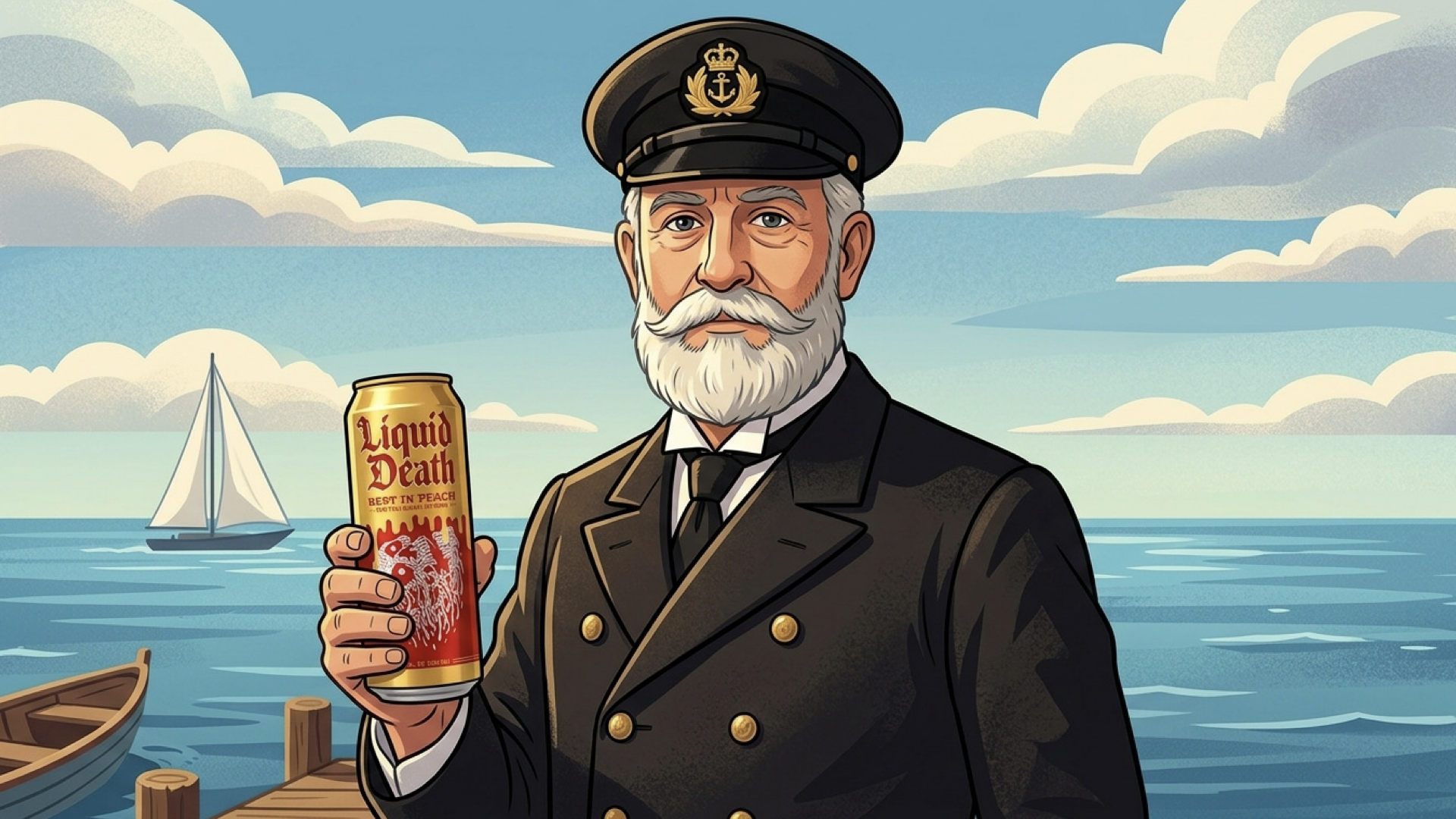
Advertising legend J. Walter Thompson (The Commodore) probably wouldn’t understand Liquid Death’s punk/metal branding strategy, but he would have certainly appreciated the results.
The first is a willingness to cede control over the narrative. Every successful example in this series involves a company that gave up some degree of message control and was rewarded for it. The companies that insist on controlling every word spoken about their brand end up talking to themselves.
The second is investment in owned audiences rather than rented ones. Airbnb's shift away from performance marketing, Yeti's in-house content operation, Glossier's community, Gymshark's creator ecosystem: all of these build audiences the company owns rather than audiences it rents from Google and Meta at ever-increasing rates.
The third is the recognition that the story a company tells about itself matters less than the story its customers, creators, and community tell about it. Nike didn't ask customers to burn competitors' shoes in solidarity. Patagonia didn't ask journalists to write admiring stories about its ownership transfer. These things happened because the brand had done something worth talking about, and then got out of the way.
The advertising industry spent a century operating on the assumption that brand stories flow from company to consumer. The companies getting it right have figured out that the most powerful stories flow the other direction.
Next in the series:
Who's Getting It Right — Case Studies Across the Size Spectrum
Pfanner Advantage works with clients to turn change into advantage at the intersection of mobility, motorsport, media, technology, and marketing. Learn more or start a conversation: contact us today.
More Cold Read Insights from Bill Sparks:
Part 7: How the Ad Industry is Reinventing Itself
Part 6: AI and the Personalization of Brand Narrative
Part 5: Building Brand Loyalty Through Community
Part 4: Independent Creators as Brand Storytellers
Part 3: Brands as Publshers: The Rise of Owned Media
The Advantage Journal arrives every week. What matters in sport, mobility, media, and technology — curated and contextualized by Bill Sparks, Bill Long, and Paul Pfanner. No hedging. No filler. Subscribe — It’s Free