
Building Brand Loyalty Through Community
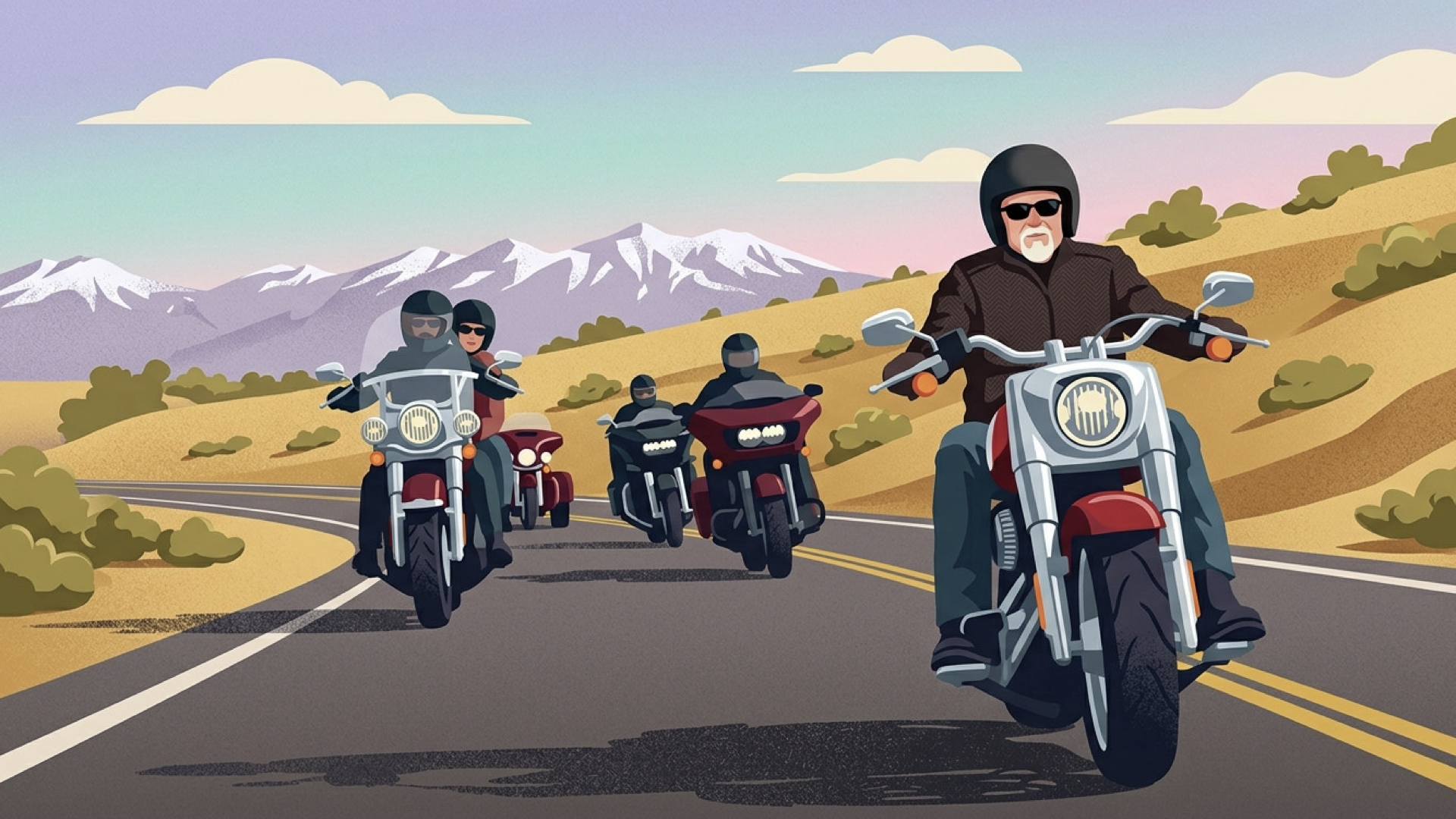
Harley-Davidson founded the Harley Owners Group in 1983. It’s a brand community that has more to do with belonging to a tribe than the technical specifications of the motorcycles.
Part five of Bill Sparks' series on the evolution of branding. Community brand building requires giving up control over the narrative and trusting that the people who care about your product will tell a better version of your story than you could tell yourself. The catch is that it requires a product that inspires customer participation.
In 2014, Emily Weiss published a post on her beauty blog, Into The Gloss, asking a straightforward question: "What's your dream face wash?" The comments section filled up. Hundreds of readers described exactly what they wanted, down to the texture, the scent, the price point. Weiss didn't file the responses in a consumer research folder and hand them to a product development team. She used them to build the product. When Glossier launched its Milky Jelly Cleanser, the people who had described their ideal face wash in a blog comment section recognized their own input in what showed up on the shelf.
This wasn't a one-time stunt. It was the operating model. Glossier built its entire product line through an ongoing conversation with its community, soliciting feedback on what to make, how to package it, what to name it. The audience didn't just buy the product. They had participated in creating it, and that participation turned them into advocates with a personal stake in the brand's success. Harvard Business School eventually wrote a case study on the company under the title "Co-Creating a Cult Brand with a Digital Community." At its peak, Glossier was valued at $1.8 billion, built on a marketing strategy that consisted primarily of listening to its customers and letting them talk to each other.
The Inversion
What Glossier demonstrated, and what a growing number of companies have since adopted in various forms, is a fundamental inversion of the brand storytelling relationship. In every model we've discussed so far in this series, whether owned media, creator partnerships, or traditional advertising, the brand is still the primary storyteller. It produces the content, selects the creator, or shapes the narrative. The audience receives, reacts, maybe shares.
Community-driven branding inverts this. The brand's role shifts from narrator to facilitator. The community tells the brand's story to each other, and the brand's job is to create the conditions under which that happens. This sounds like a small distinction. In practice, it changes everything about how a company allocates resources, measures success, and thinks about its relationship with the people who buy its products.
The concept isn't new. Harley-Davidson understood it in 1983 when it founded the Harley Owners Group, one of the earliest formal brand communities. H.O.G. eventually grew to over a million members worldwide, organized around rallies, chapter rides, and a shared identity that had far more to do with belonging to a tribe than with the technical specifications of a motorcycle. Harley didn't just sell bikes. It sold membership in a community, and the community did the storytelling. The rider with a Harley tattoo isn't responding to an ad campaign. He's expressing an identity that the community, not the company, gave him.
What's changed is the infrastructure. The community model that Harley built through physical events and a printed newsletter can now operate at digital scale, continuously, across platforms that make participation frictionless.
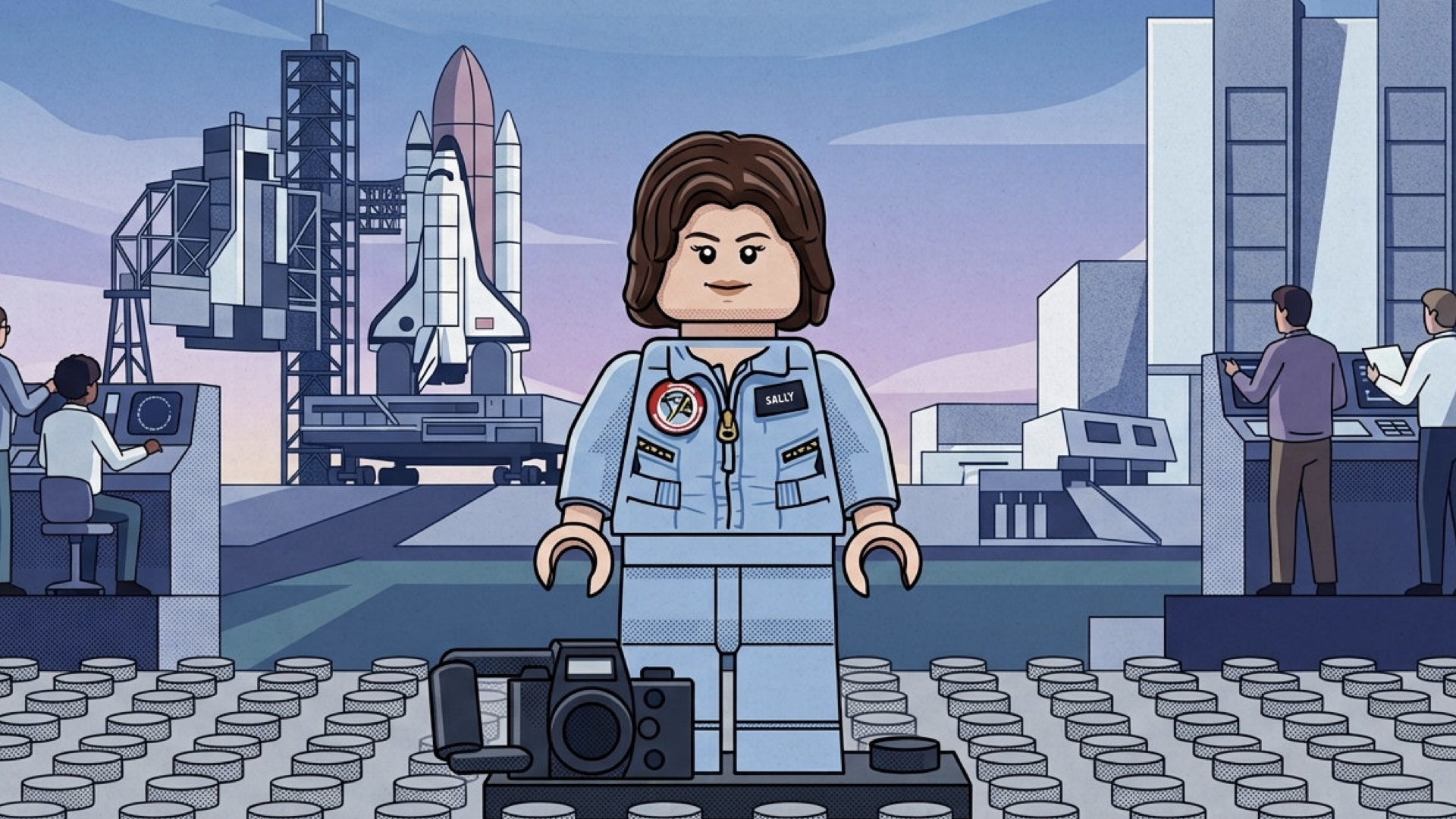
LEGO’s Women of NASA kit is a community-generated product that arrived in stores with a built-in customer base that had lobbied for its existence.
Four Models of Community
The companies doing this well tend to follow one of several patterns, each suited to different industries and audience relationships.
The first is co-creation, and LEGO is its most disciplined practitioner. The company's LEGO Ideas platform invites fans to submit product designs. The community votes on submissions, and any design that reaches 10,000 supporters goes into formal review. The sets that make it through, the Women of NASA kit, the Ship in a Bottle, the Typewriter, are community-designed products that arrive on shelves with a built-in constituency of people who lobbied for their existence. LEGO didn't just crowdsource ideas. It built a system where the community's creative investment becomes a commercial asset.
The second is user-generated growth, and Notion's trajectory is the clearest illustration. The productivity software company grew from one million to 100 million users with minimal traditional marketing. The engine was its community. Users built templates, published tutorials on YouTube, wrote blog posts explaining their workflows, and shared them freely. Notion formalized this through an ambassador program, but the organic activity preceded and dwarfed the formal effort. The product spread because users found it valuable enough to create content about it without being asked, and other users discovered the product through that content. The community wasn't a marketing channel. It was the growth mechanism.
The third is personality-driven participation, and Duolingo turned it into something no one in the language-learning business expected. The company's social media team, operating primarily on TikTok, built a brand personality around its green owl mascot that can only be described as deliberately unhinged. The owl crashed meetings, feuded with Google Translate, appeared to develop romantic obsessions with pop stars. The content was absurd, and it generated billions of views. But the deeper effect was that it invited participation. Users created their own Duo memes, shared their streak counts competitively, and built an emotional relationship with a cartoon bird. Duolingo's social media presence doesn't feel like a brand talking at its audience. It feels like an inside joke the audience is part of.
The fourth is the digital gathering place. Discord servers and Reddit communities have become spaces where brands can build ongoing relationships with their most engaged customers, but only if they show up as participants rather than advertisers. Reddit's culture is notoriously hostile to overt marketing. The brands that have found traction there, and an ALM Corp analysis in 2026 identified several data-backed examples, succeeded by contributing genuinely useful content, answering questions without a sales pitch, and respecting the community's norms. The same principle applies to branded Discord servers: the ones that function as real communities, with genuine conversation, exclusive access, and member-to-member interaction, build loyalty. The ones that function as notification channels for product launches get ignored.
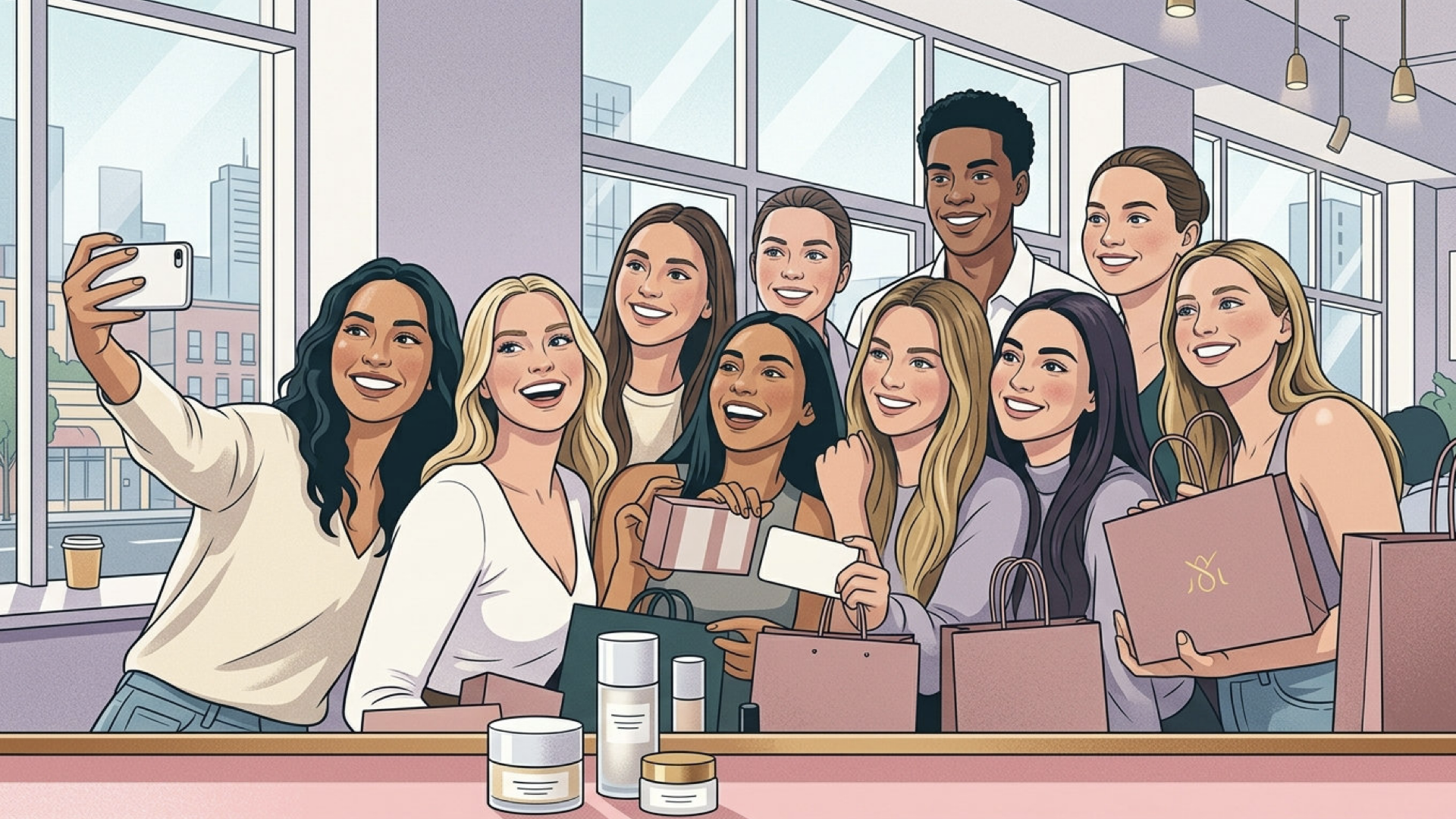
Community-based branding employed by companies like Glossier doesn’t depend on creating enthusiasm. It amplifies enthusiasm that already exists.
What You Can't Manufacture
The common thread across all four models is something that should be uncomfortable for any executive who came up through traditional marketing: the community's participation has to be genuine, and genuine participation cannot be manufactured.
A company can launch a Discord server. It can build a submission platform. It can hire a social media team with a sense of humor. But none of these structures create community on their own. Community forms when people find enough value in participating, whether that's creative satisfaction, social connection, useful information, or a sense of identity, that they contribute without being compensated. The moment the participation feels transactional, the dynamic shifts from community to promotion, and the audience knows the difference instantly.
This is why community-driven brand building is the hardest strategy in this series to execute and the most powerful when it works. Owned media can be produced by a skilled editorial team. Creator partnerships can be negotiated and managed. Community requires giving up control over the narrative and trusting that the people who care about your product will tell a better version of your story than you could tell yourself. For companies whose products genuinely earn that kind of passion, the return is a form of brand loyalty that no advertising budget can buy. For companies whose products don't, attempting the community model tends to produce an embarrassing collection of empty forums and unanswered posts.
The Glossier model, the Notion model, and the LEGO model all share one prerequisite that's easy to overlook: a product that people are genuinely enthusiastic about. Community-driven branding doesn't create enthusiasm. It amplifies enthusiasm that already exists. Companies that get the order wrong, trying to build community before they've built something worth gathering around, learn this lesson expensively.
Where This Leads
The strategies covered in this series so far, owned media, creator partnerships, and community, represent different points on a continuum of narrative control. Owned media gives the brand the most control. Creator partnerships require sharing it. Community requires surrendering most of it. Each step along that continuum trades control for credibility, and the companies thriving in the current environment tend to operate across all three simultaneously.
The next post examines a force that is reshaping all of these strategies at once: artificial intelligence, and the question of what happens to authenticity when machines get involved in telling the story.
Next in the series:
AI and the Personalization of Brand Narrative
Pfanner Advantage works with clients to turn change into advantage at the intersection of mobility, motorsport, media, technology, and marketing. Learn more or start a conversation: contact us today.
The Advantage Journal arrives every week. What matters in sport, mobility, media, and technology — curated and contextualized by Bill Sparks, Bill Long, and Paul Pfanner. No hedging. No filler. Subscribe — It’s Free