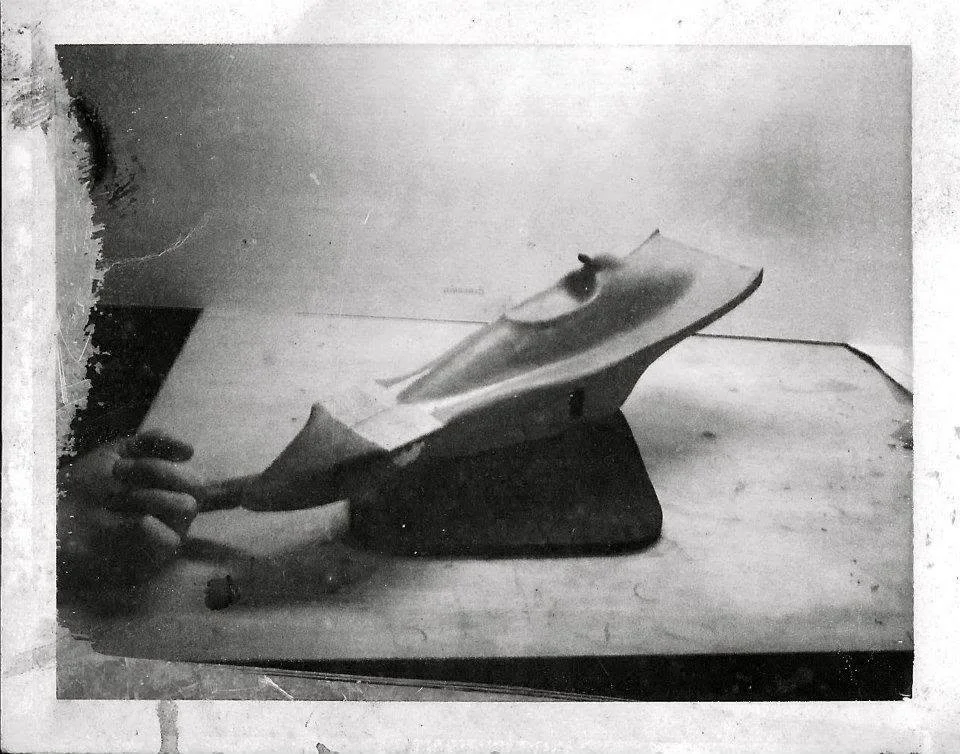
Before there was an ADF. My Polaroid of the original clay model for David Bruns’ 1973 ADF Mk II Formula Ford. Paul White loaned the model to me and my Brazewood Graphics partner, Mike Vannatter, in early 1973 so we could create a concept illustration of the car.
Paul Pfanner was eighteen when a small race shop in Orange, California handed him a clay model of a car that didn’t exist yet and asked him to draw it. This column is about the people at Automotive Development, the designer, builders and drivers behind the ADF and Swift Formula Fords, who listened to a teenager’s ideas and then expected him to keep up. It includes video from the recent Sonoma tribute to designer David Bruns and from Bob Lobenberg’s 1980 Runoffs win in ADF MkII chassis 007.
I was sixteen when I first saw a David Bruns race car. It was March 28, 1971, at the Questor Grand Prix at Ontario Motor Speedway. I had found my way into the paddock with a fake pit credential I had painted by hand.
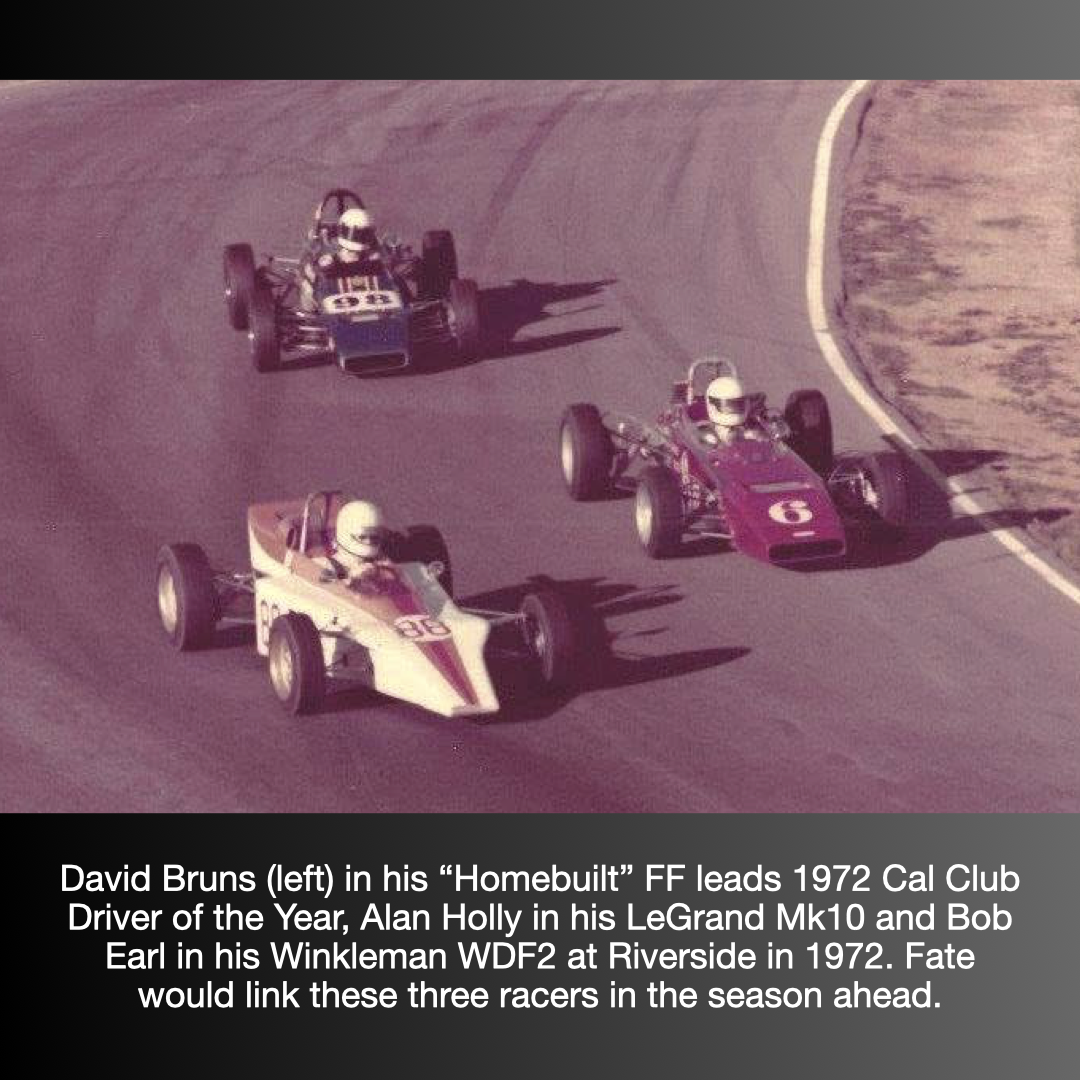
There were famous drivers everywhere. But on the Formula Ford grid was a car entered as the Homebuilt that looked to me as though it had arrived from a decade ahead. David was sitting there with it. Before I knew him, I knew his work.
In December 1972, I walked into Automotive Development in Orange and found the wreckage of that same car. What began there would influence how I approached almost everything I did afterward.
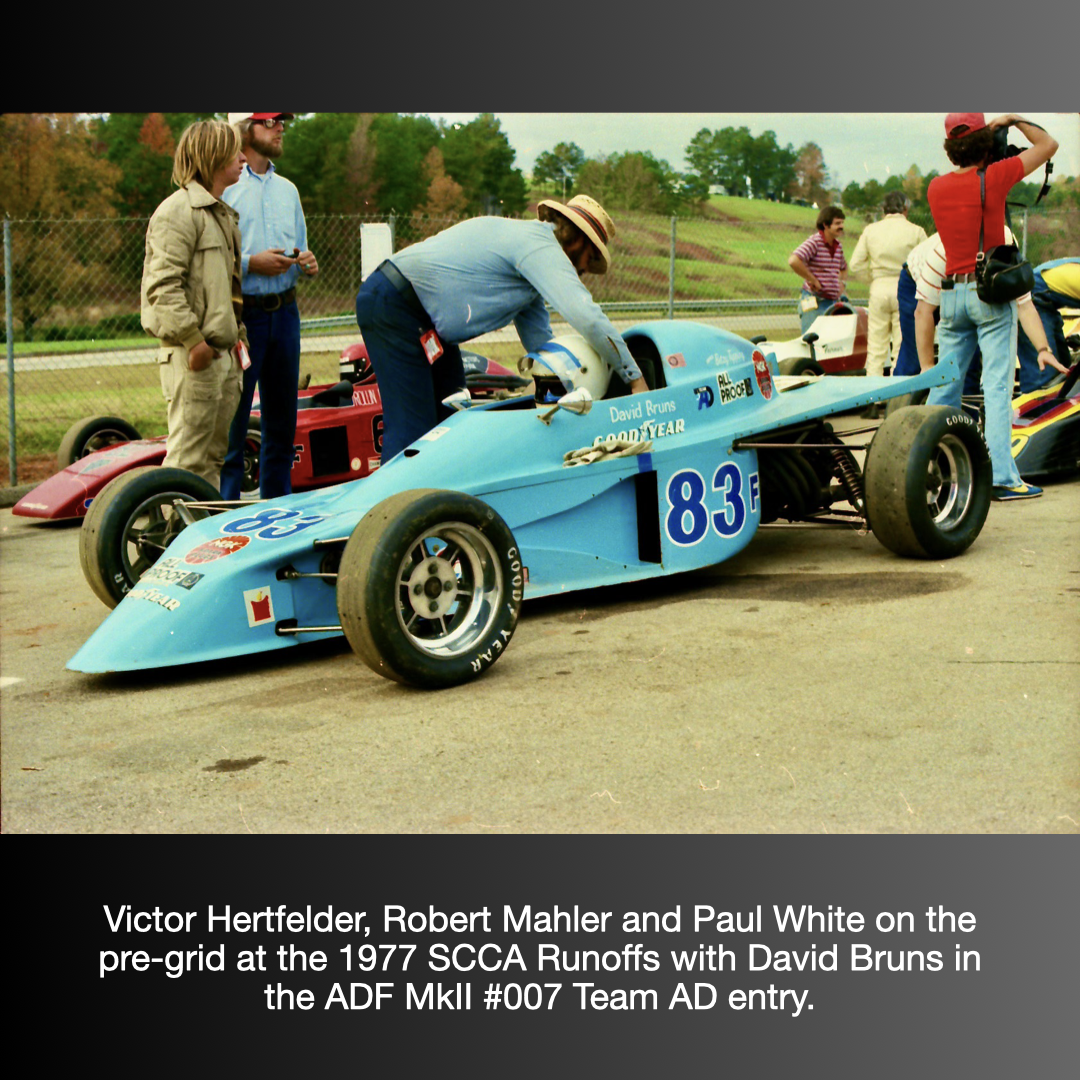
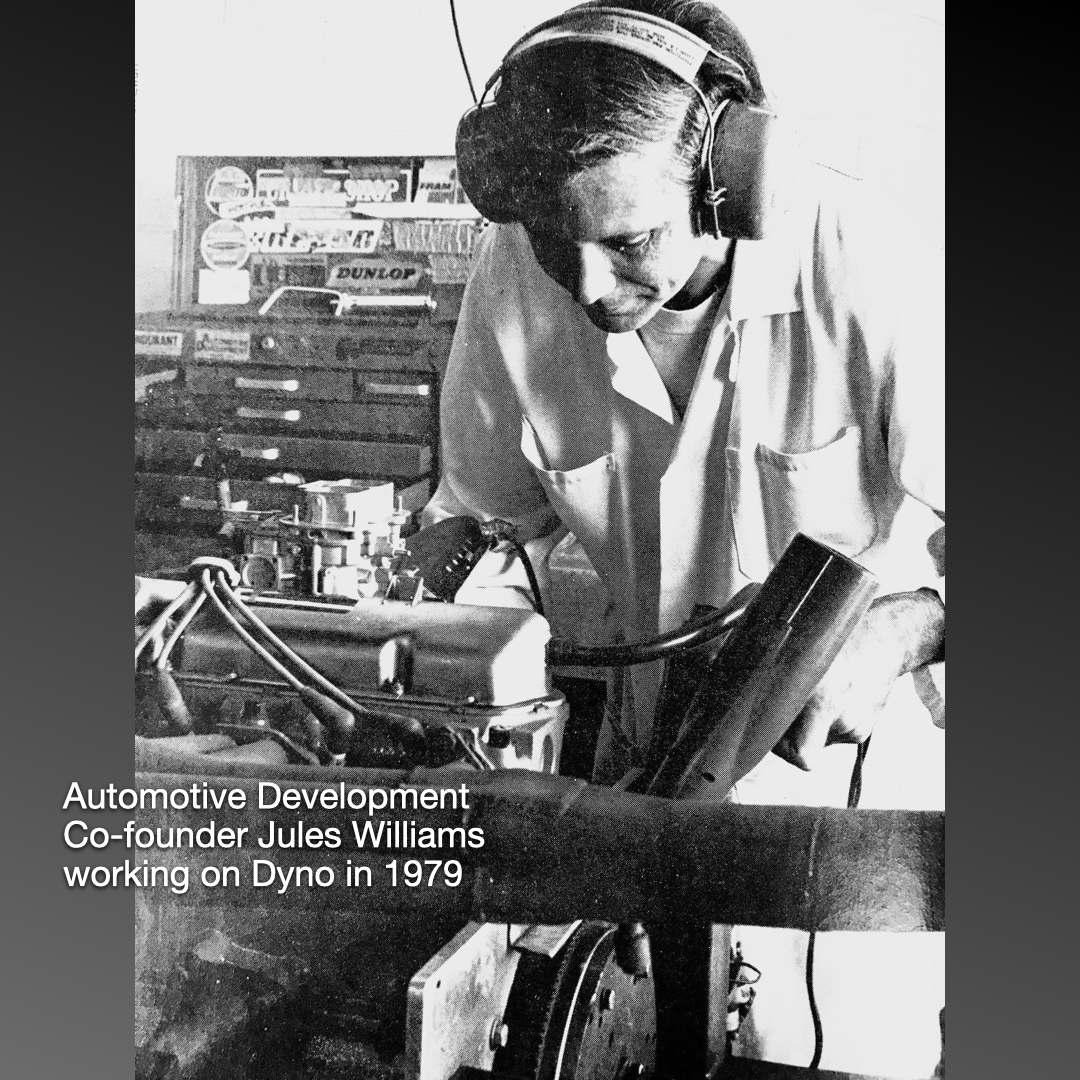
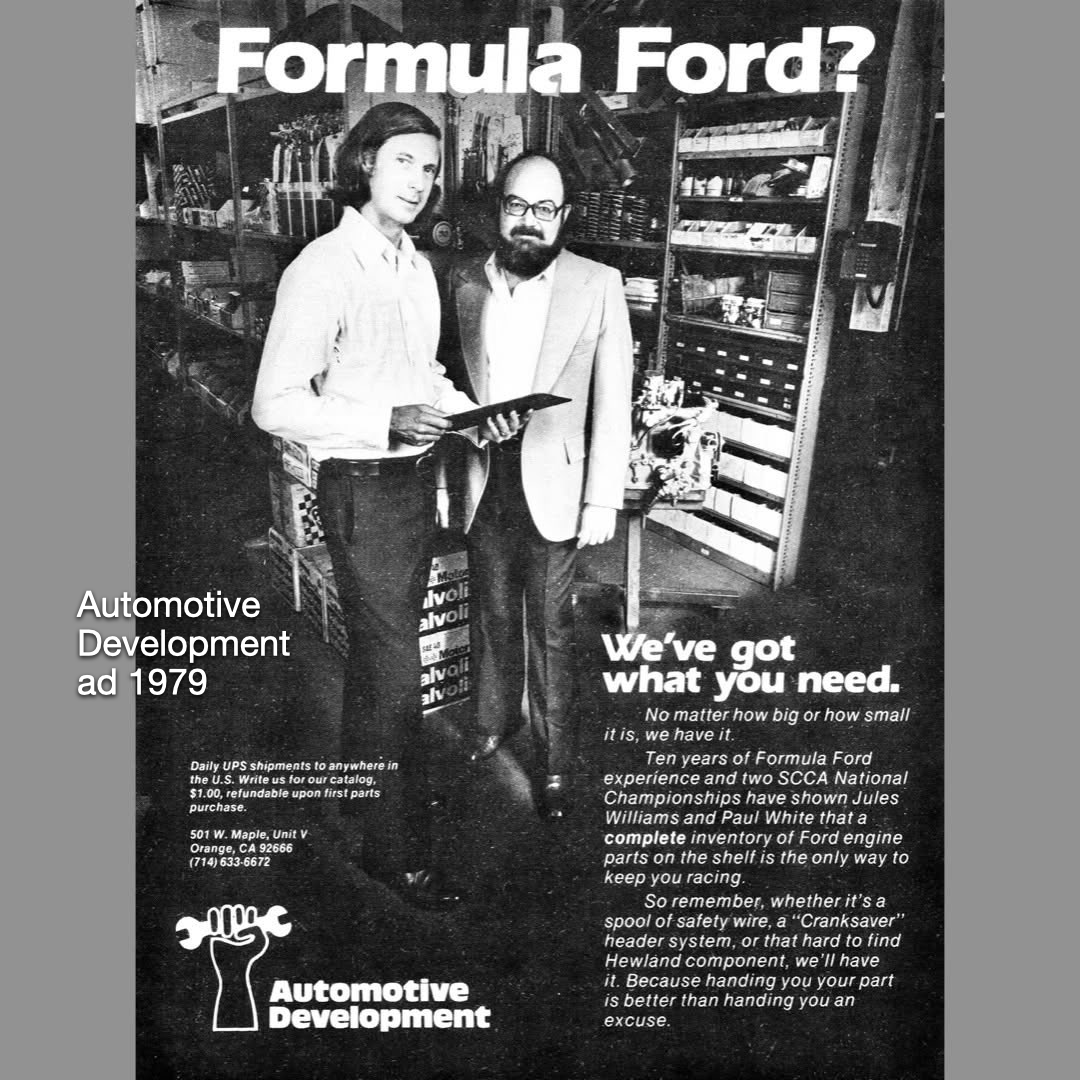
Paul White and Jules Williams had built Automotive Development around racing services and parts. Jules was a driver and engine builder. In March 1969, at Willow Springs, he won the first SCCA national race ever held for Formula Ford. Paul had an extraordinary will to make things happen. David could conceive and build a different kind of race car.
So the shop I walked into at eighteen already had a piece of Formula Ford history in it. I had no idea how much more was going to come out of there.
Their ambition, Paul explained to me, was to build a Formula One car someday. First, they would build a Formula Ford and demonstrate what they could do.
I was eighteen. They gave me a part in it.
A place on the team
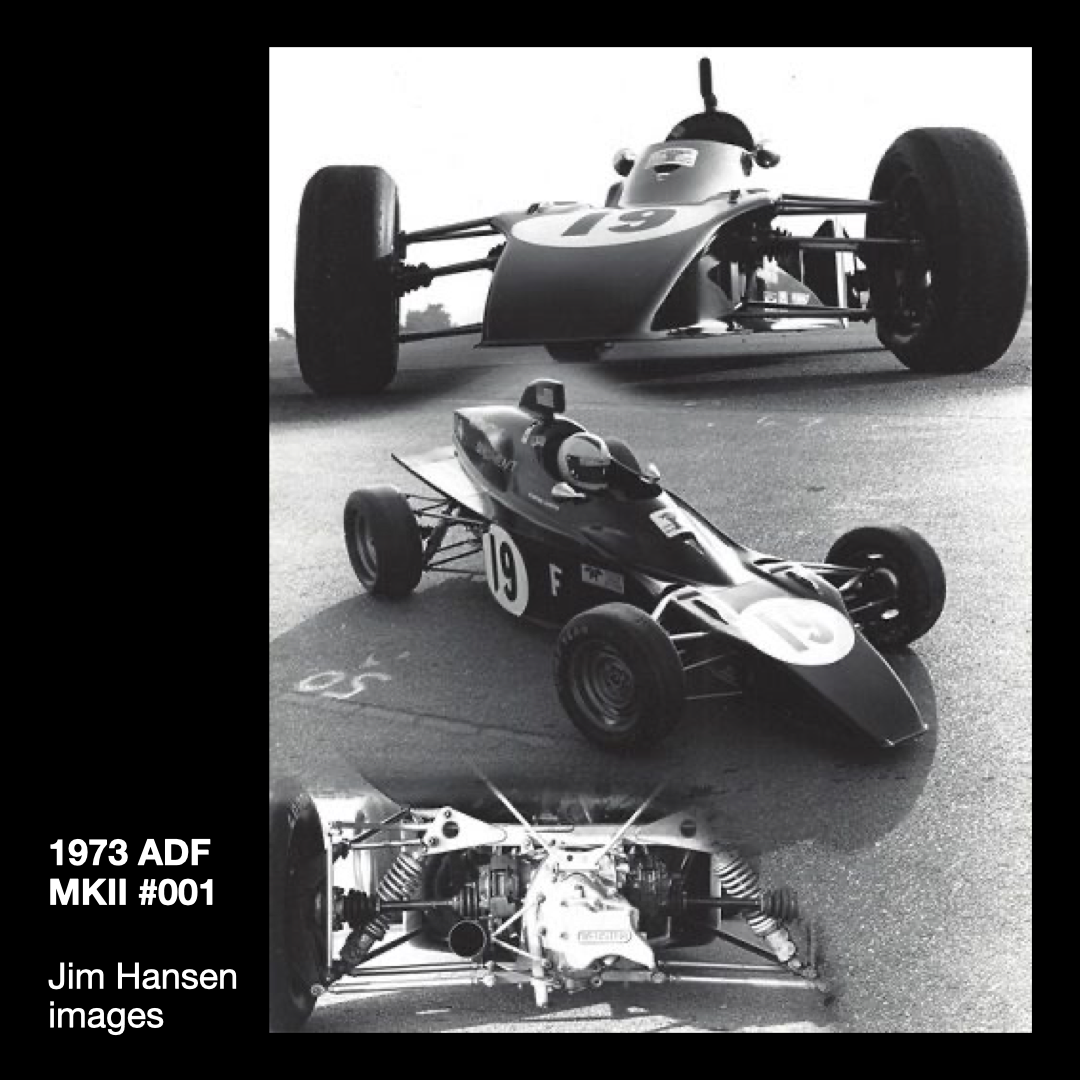
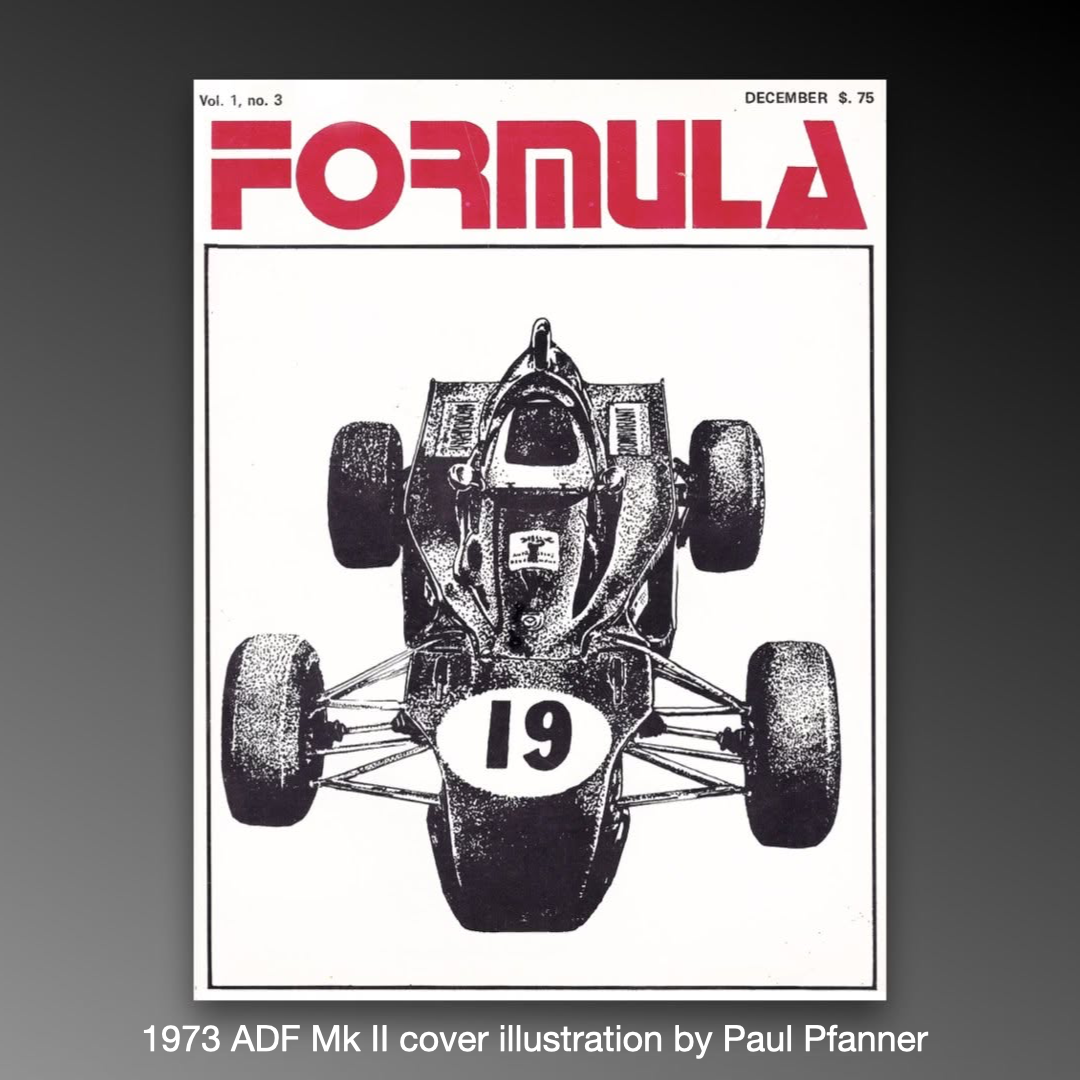
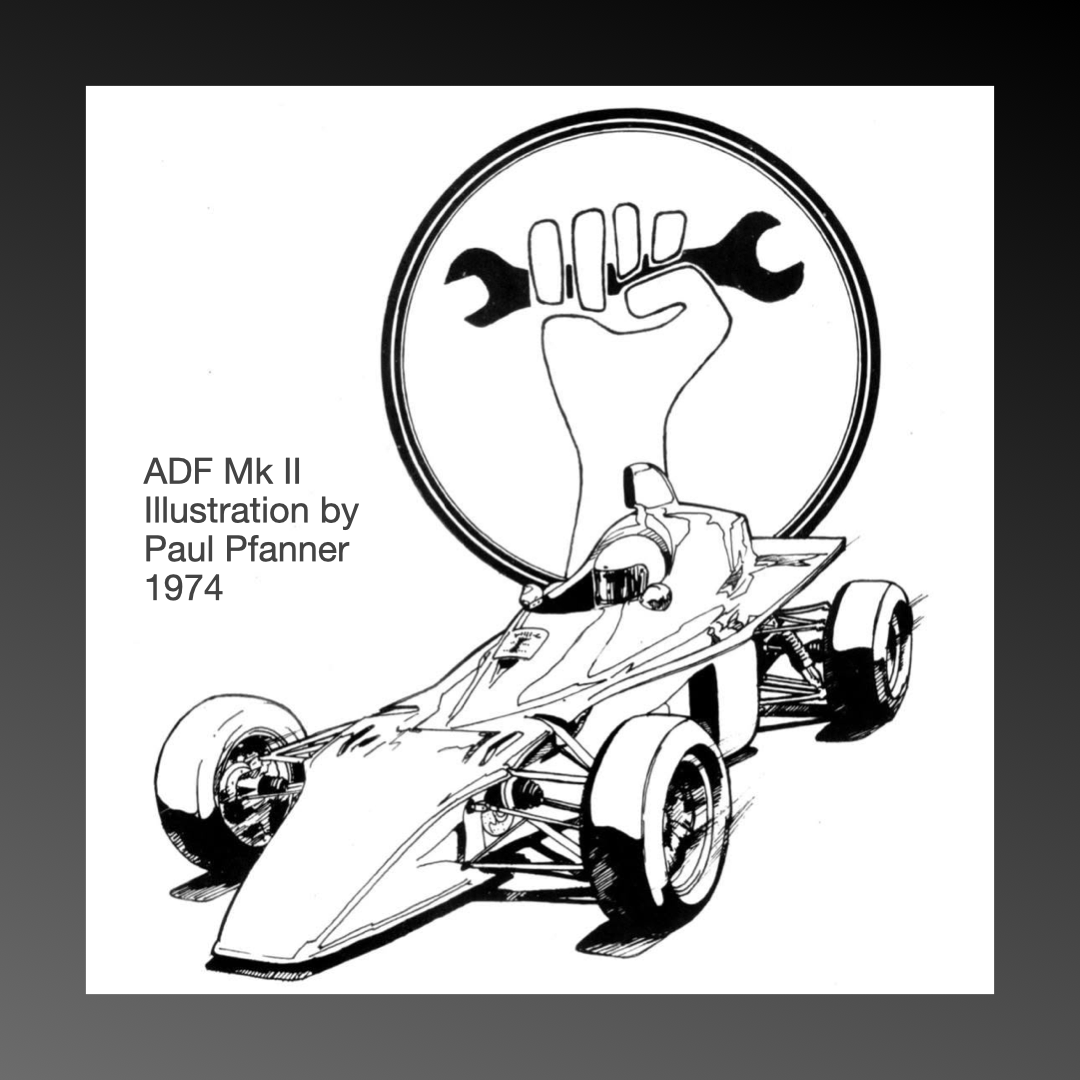
My first real assignment was a perspective illustration of the ADF prototype, working from a clay model. The car did not yet exist. I was helping people see something this group intended to bring into the world.
I had a wee mishap after picking up the model at Automotive Development. As I accelerated onto the 5 freeway in Orange to head home, it fell off the seat of my 1969 MGB and suffered crash damage. Job One was repairing it.
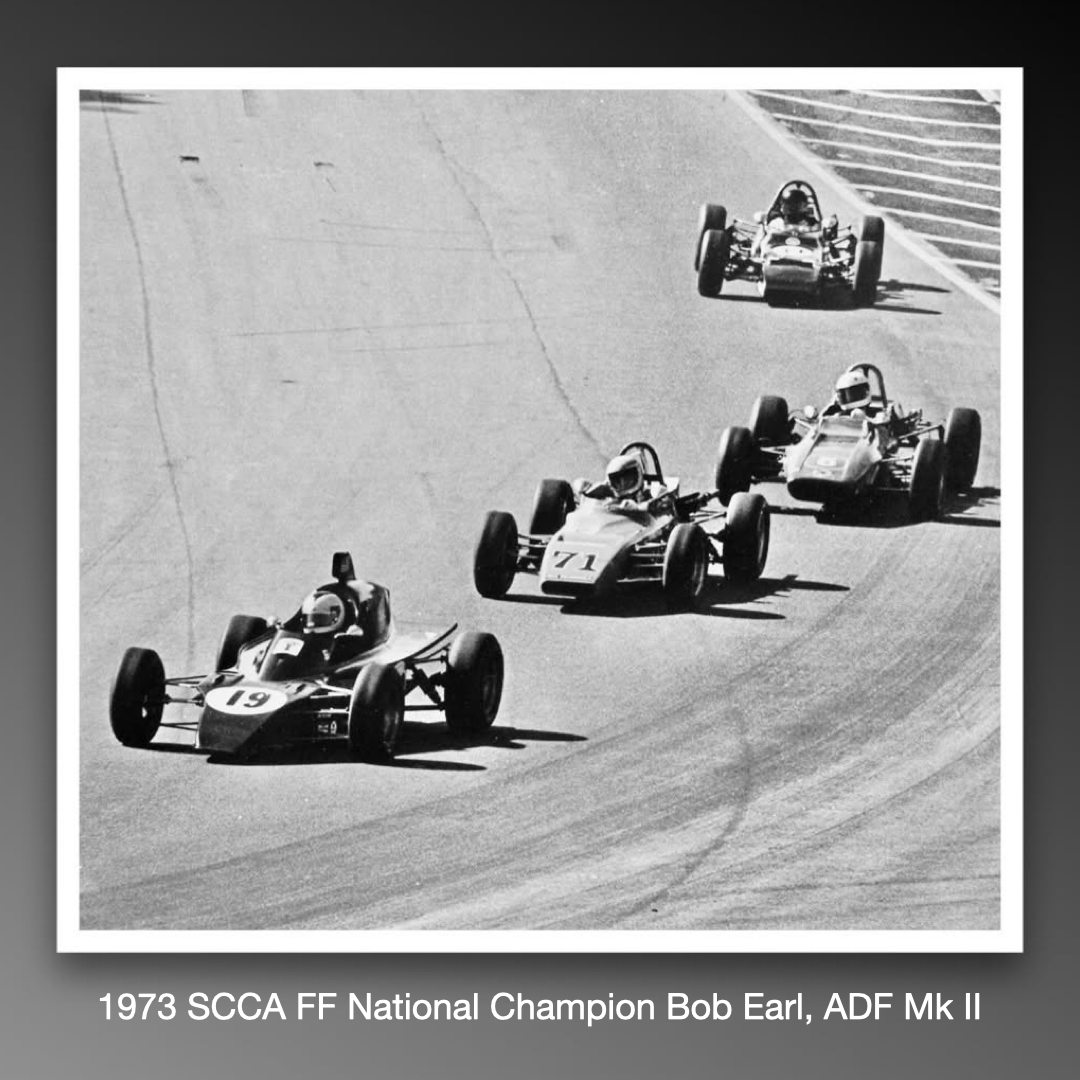
Later, the first magazine cover I ever illustrated featured ADF chassis 001, the car Bob Earl drove to victory at the 1973 SCCA Runoffs in its first race.
Those assignments mattered. So did the way they treated me.
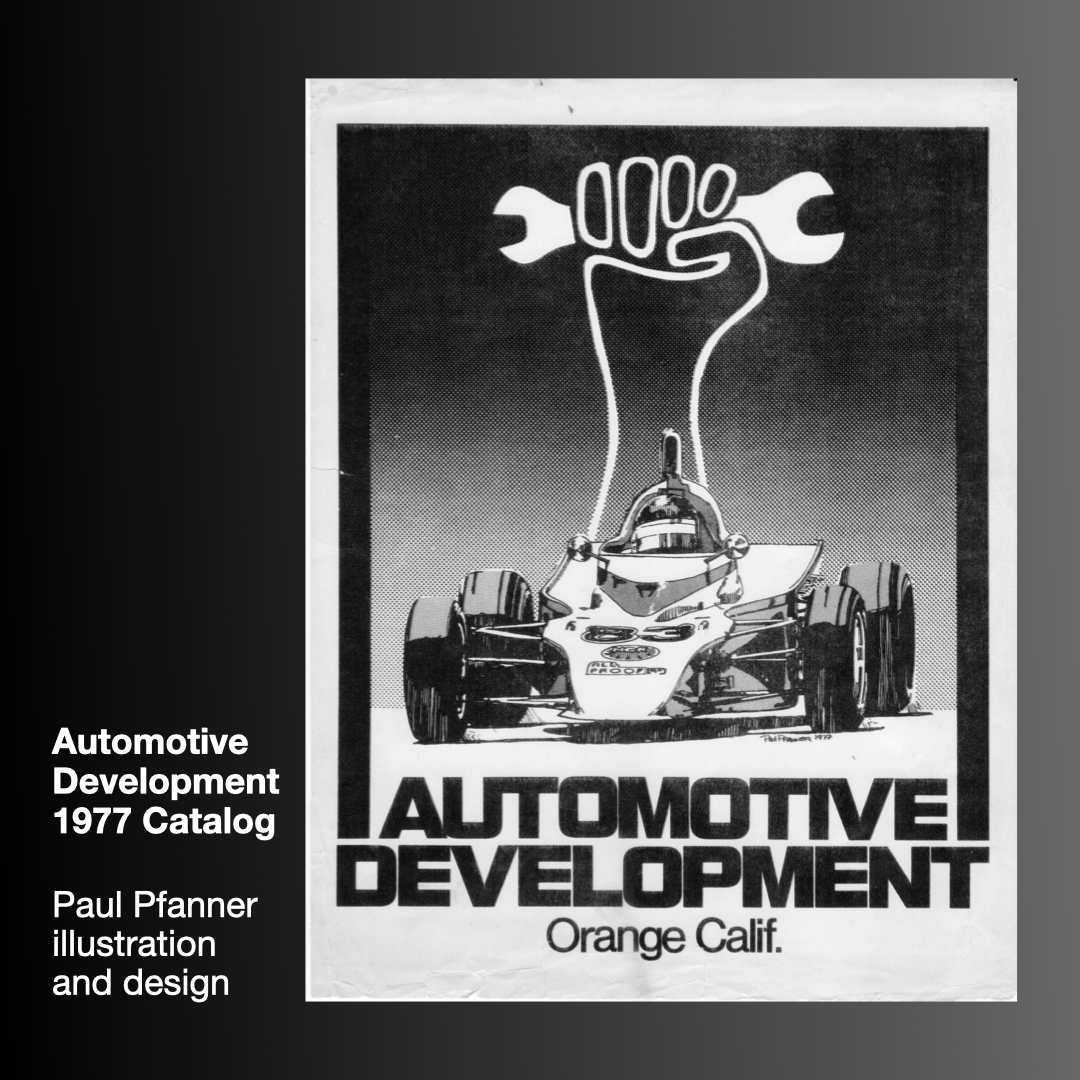
They listened to my ideas about the team’s visual presentation and branding, and they trusted me to design the Team AD logo and the liveries on the race cars. They took my contribution seriously. I was surrounded by people whose intelligence and competitive instincts I admired, and they expected me to meet their standards.
Being included made me raise my game.
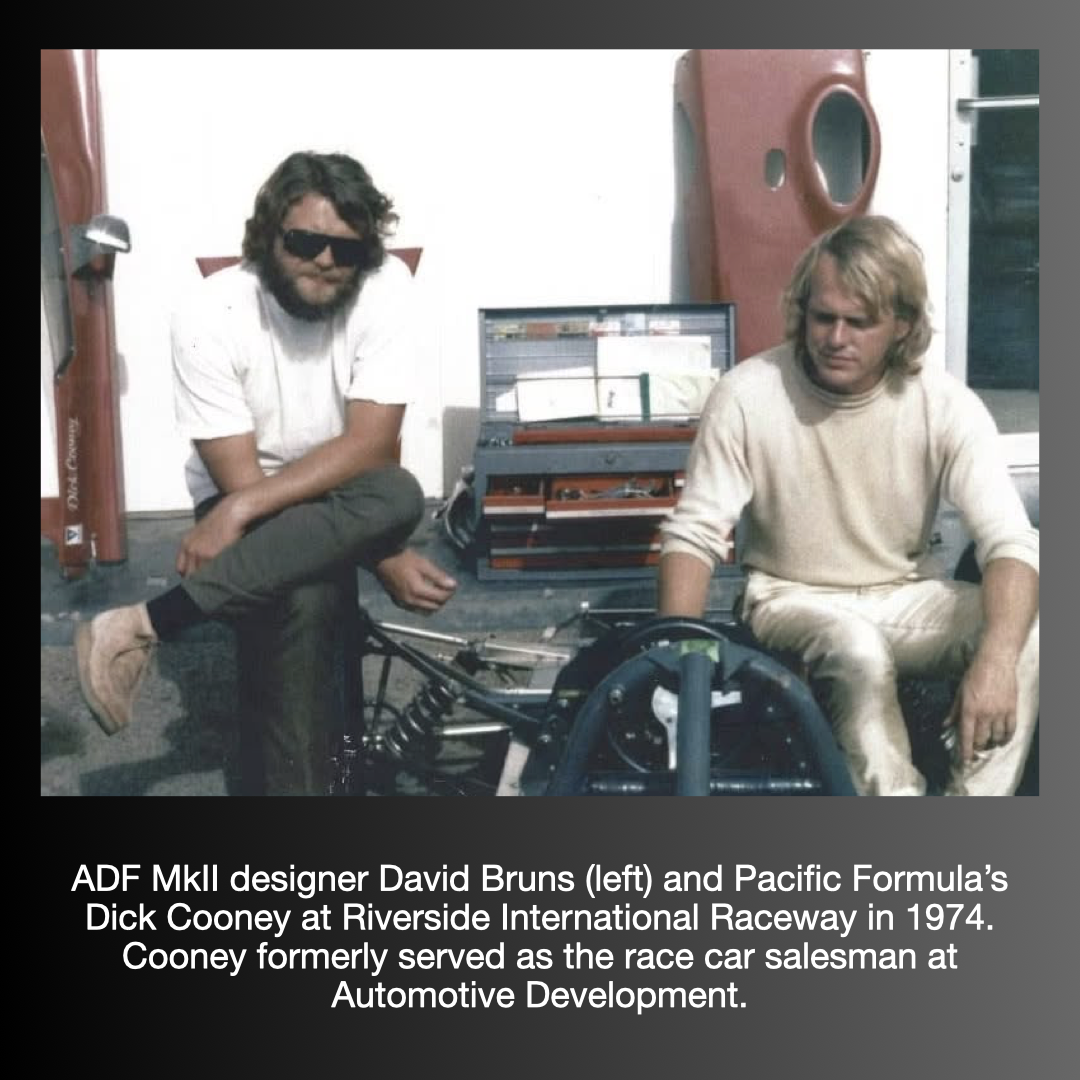
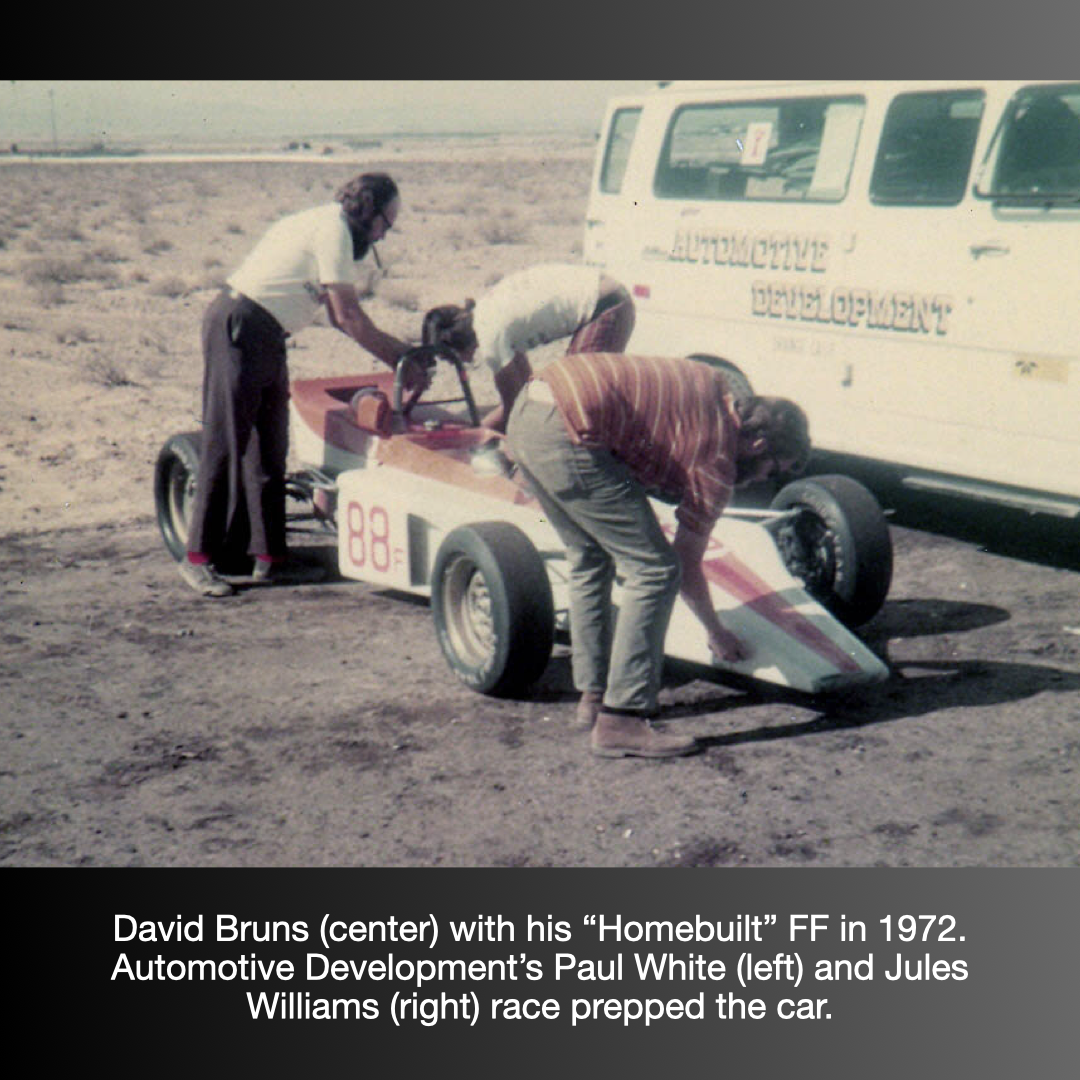
At Automotive Development I saw what a team meant. My contribution was different from David's or Jules's, but it belonged to the same effort. The quality of my work mattered to people whose work mattered to me.
My father was an aerospace engineer with a similar mindset. I recognized the desire to understand a problem and find a better solution. These people applied that way of thinking to the world I wanted to be part of.
Paul White became an especially important mentor. He challenged me and supported my racing and publishing ambitions.
Nothing was the final answer
From where I stood, Automotive Development was the center of the Formula Ford community on the West Coast. Excellent people were drawn to it. Being around them was an education.
There was a positive creative tension within the group. They pushed each other. Whatever they had accomplished, they kept looking for ways to improve it.
David disliked a race car that was a bracket on a bracket on a bracket. Every part needed a purpose, and the whole thing had to make sense.
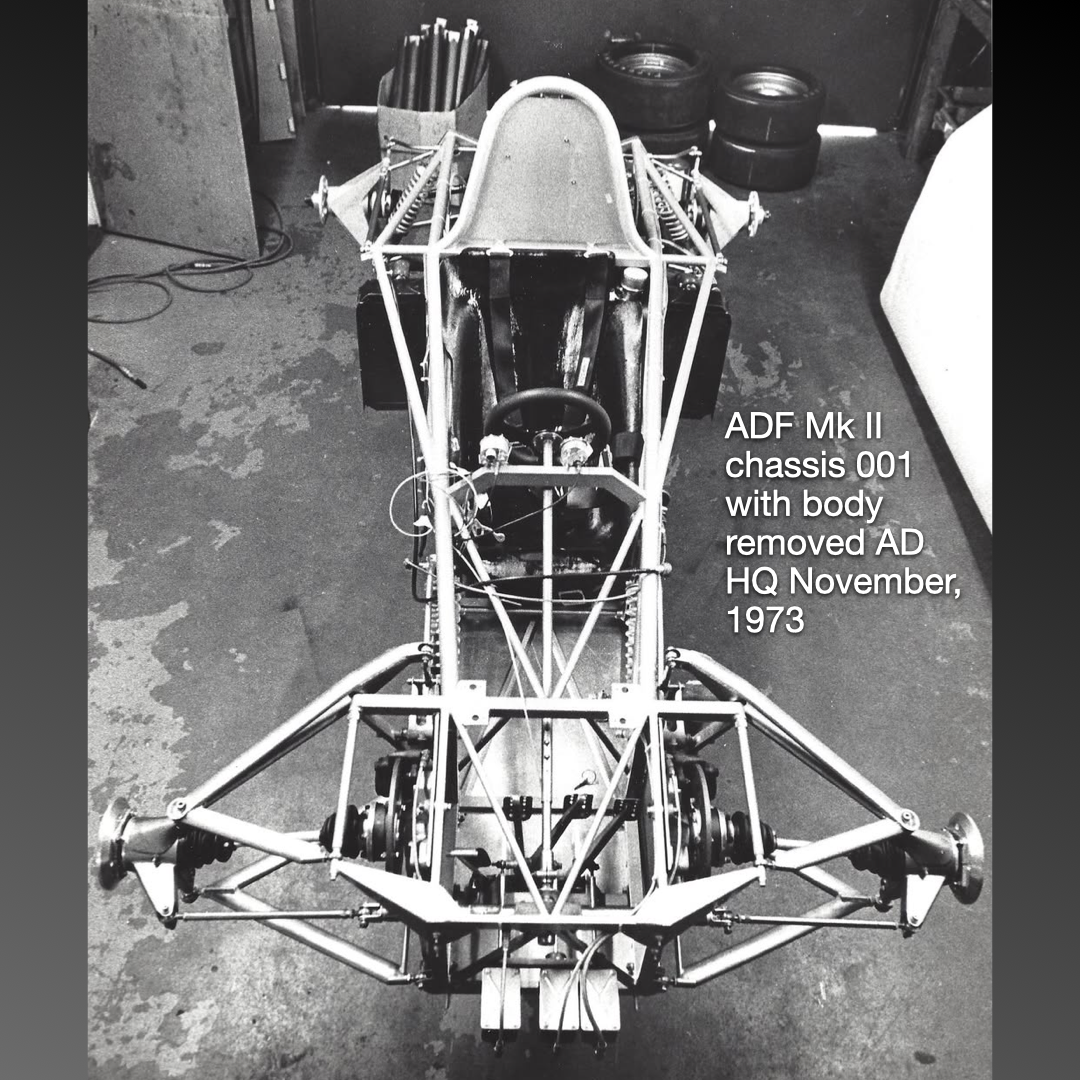
That became a useful standard in visual communication. You can keep adding things to a design, or think harder about how it should work. Watching David helped me understand the difference.
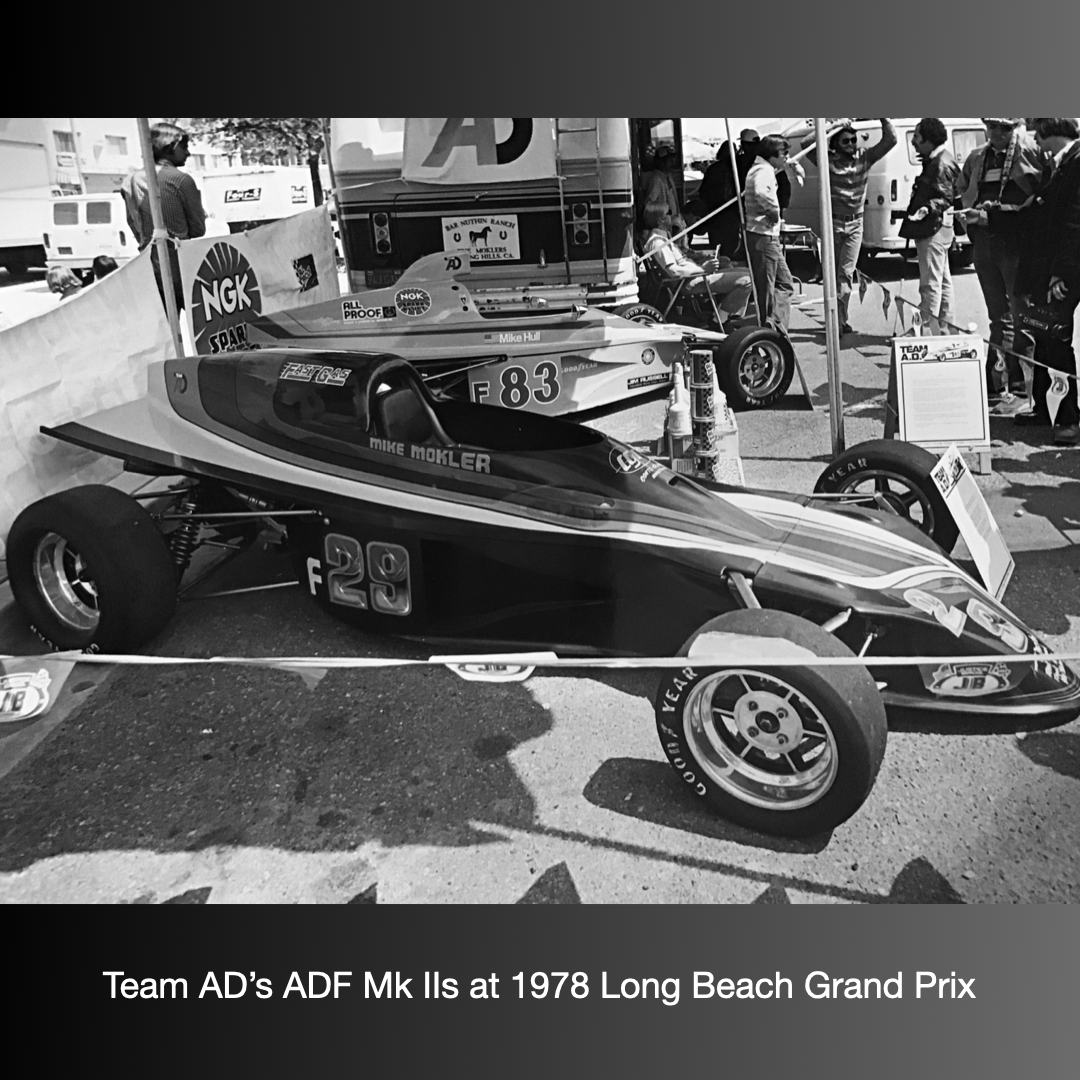
Mike Hull was part of that group, driving and working within the ADF program. In a message for the recent gathering honoring David, Mike described how much those years influenced his approach to racing. People contributed regardless of title. They shared information and helped each other solve problems. He carried that experience into his work at Chip Ganassi Racing.
I recognized the place he was describing. We had different responsibilities, but we had learned together.
A gathering worth sharing. Thank you to Ed Abate, owner of ADF 001, for organizing this tribute to David Bruns during the CSRG weekend at Sonoma and sharing the video with me. The wonderful turnout brought together many of the people who helped make this chapter of American racing so special.
Seeing the ambition take shape
In 1983, David, Paul, Alex Cross and R.K. Smith founded Swift Racing Cars. The trust carried over. I designed the original Swift logo and the launch liveries for the DB1 and DB2, which were sponsored by Centerline Wheels.
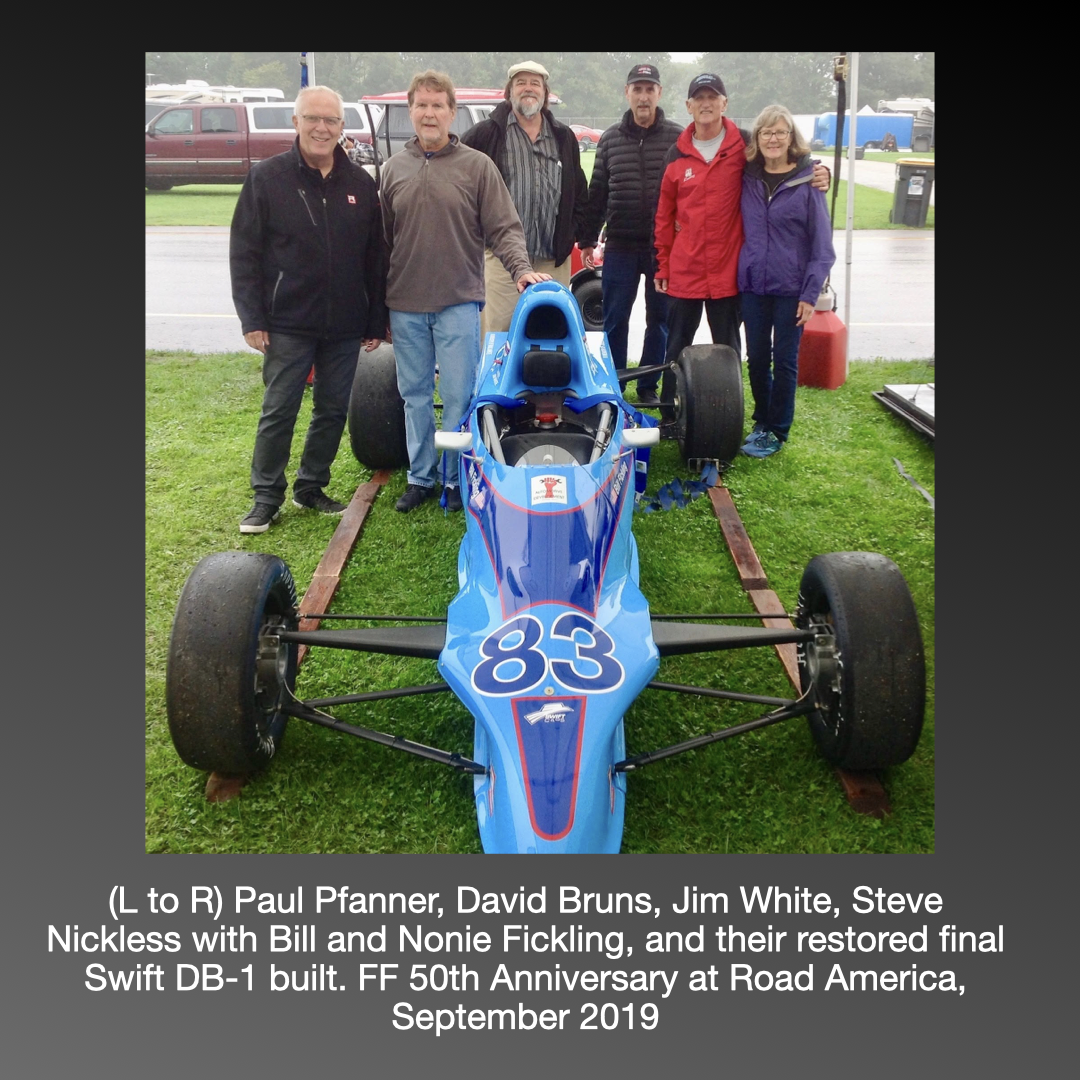
Ten years after Bob Earl's ADF victory, R.K. won the Runoffs in the new Swift DB1 on its debut. This time, the winning design also became a commercial success.
I had watched ideas taking shape in the ADF house car, chassis 007, which David shared with Mike. Bob Lobenberg won the 1980 Runoffs in it. The Swift carried that thinking forward. Experience had given David more to work with, and the people around him helped turn it into a business.
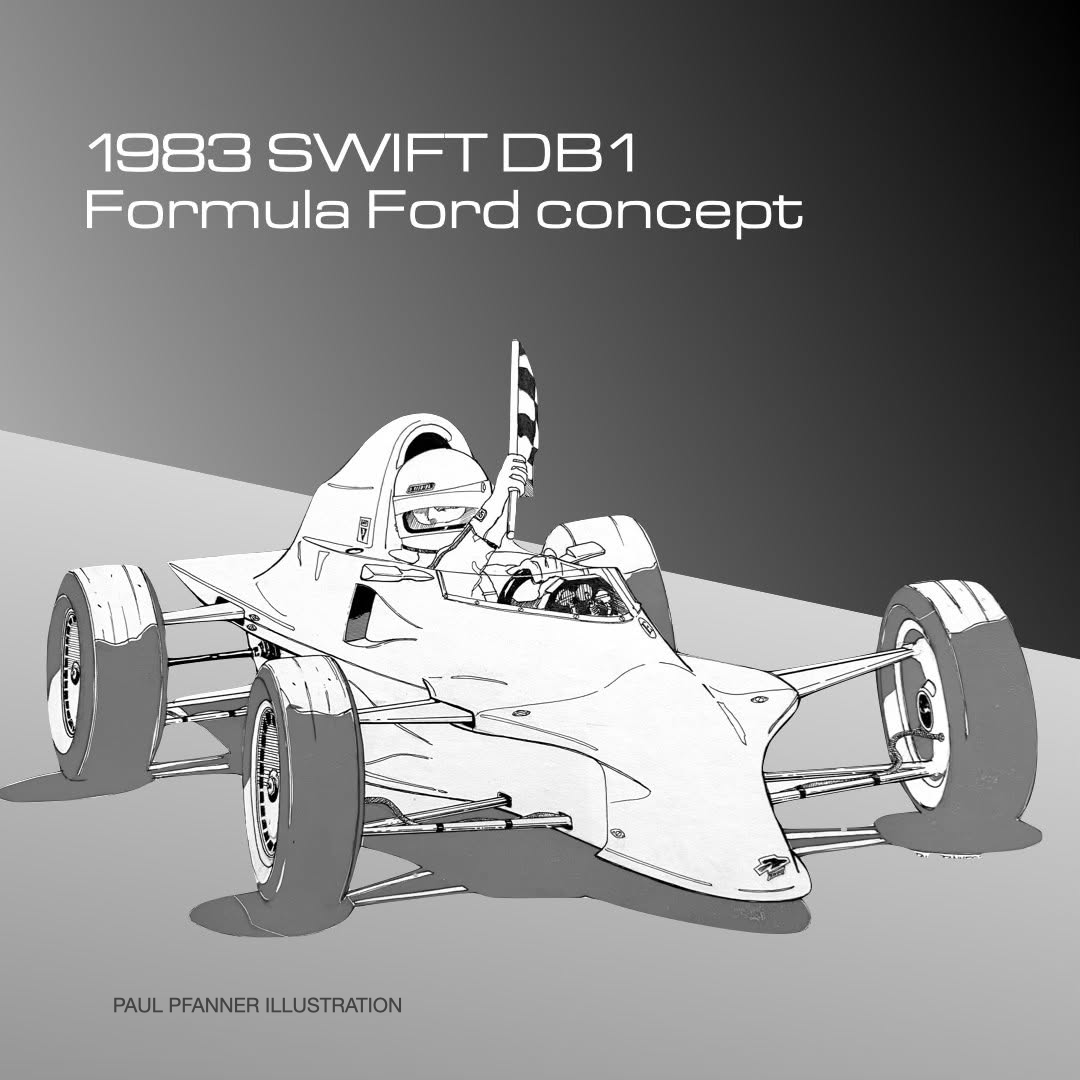
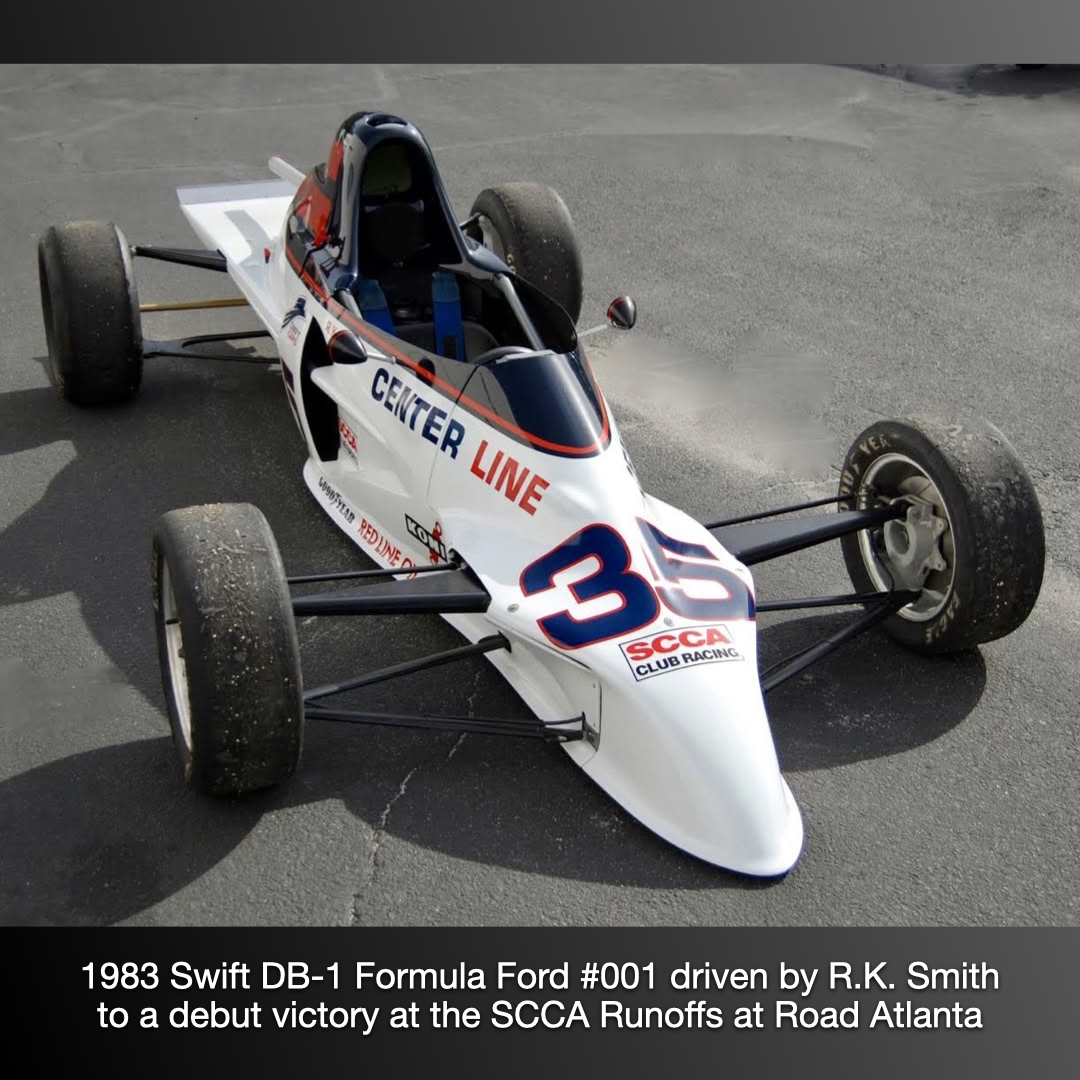
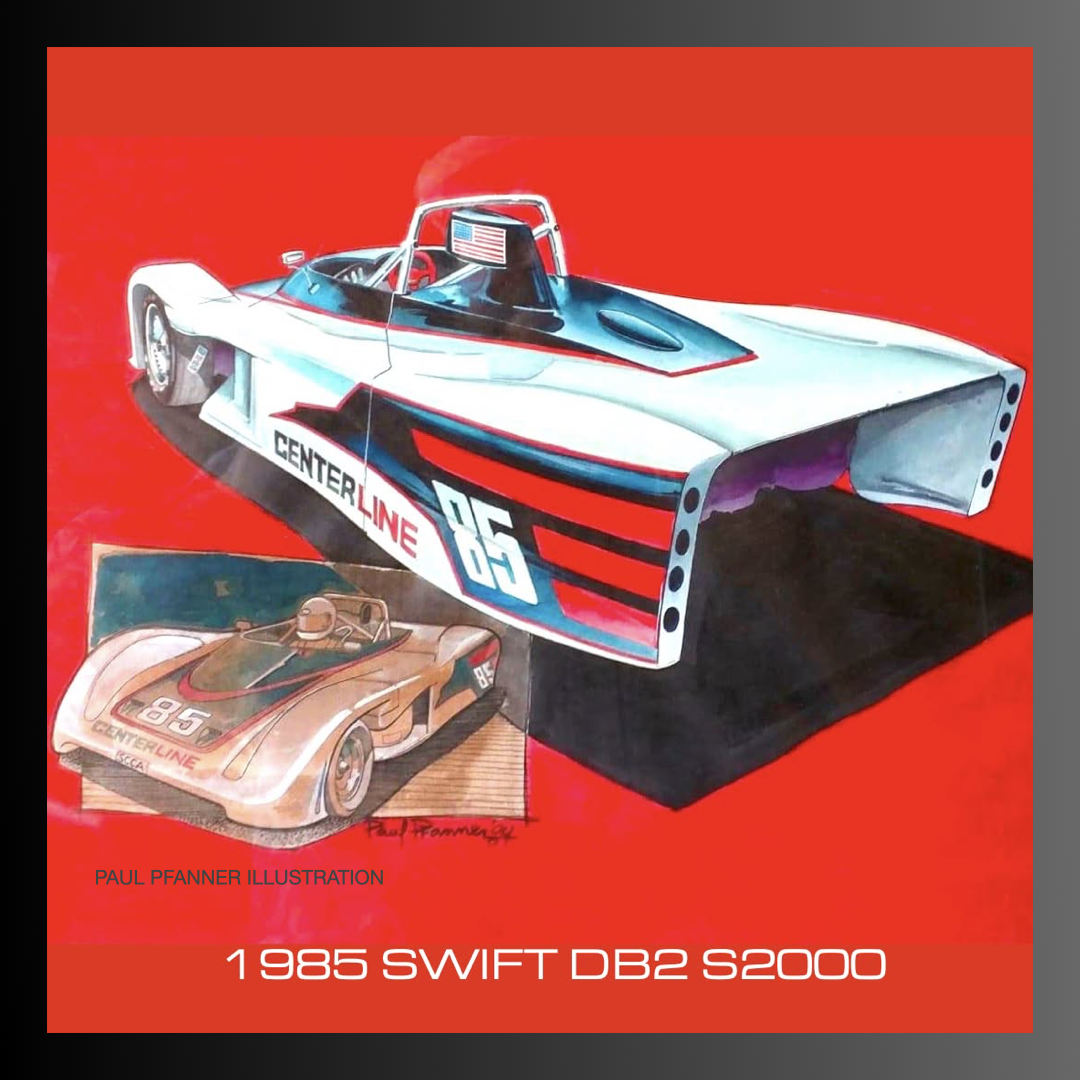
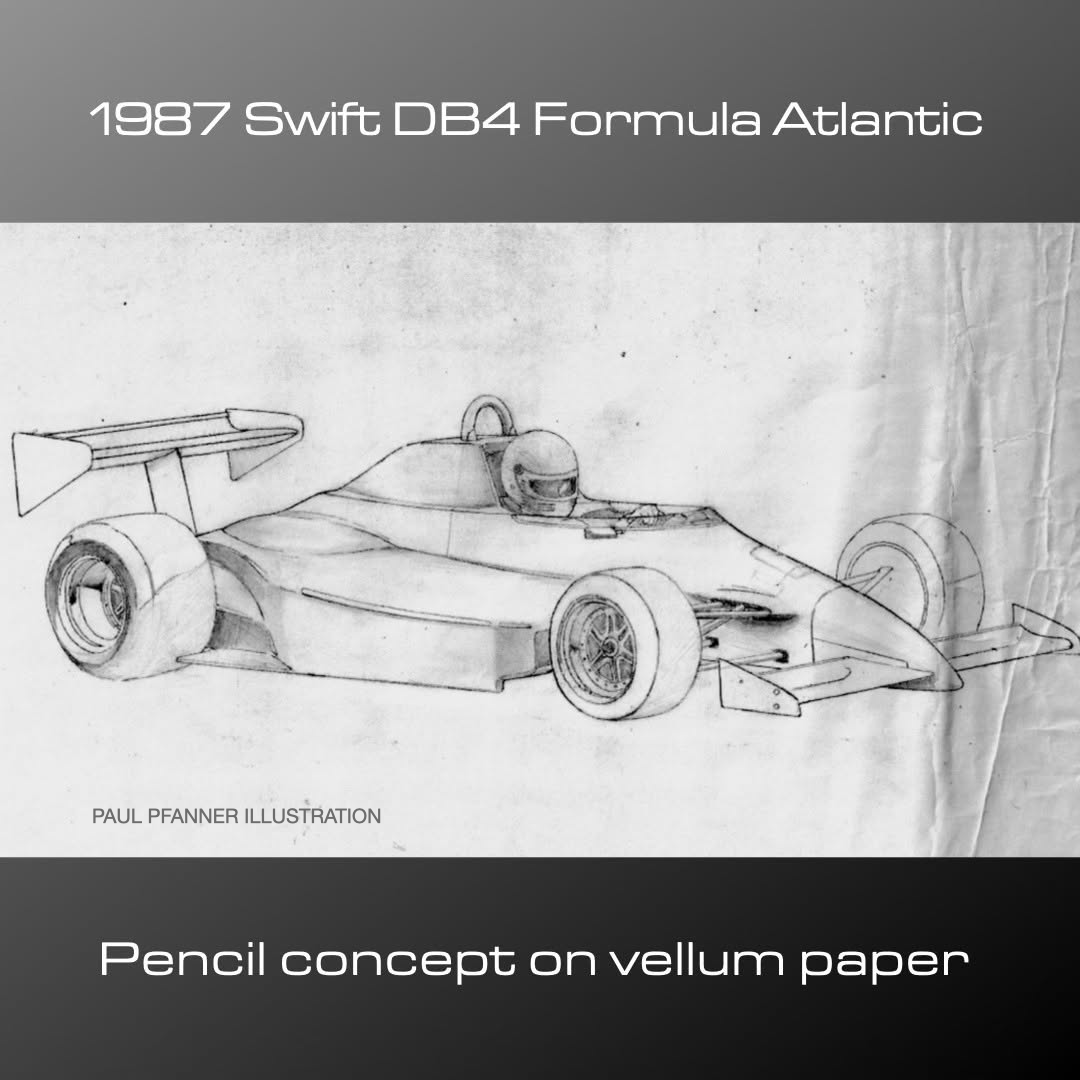
That example stayed with me as I built my own company. I knew how it felt to be trusted when I was young, and how much better work could become when capable people challenged one another.
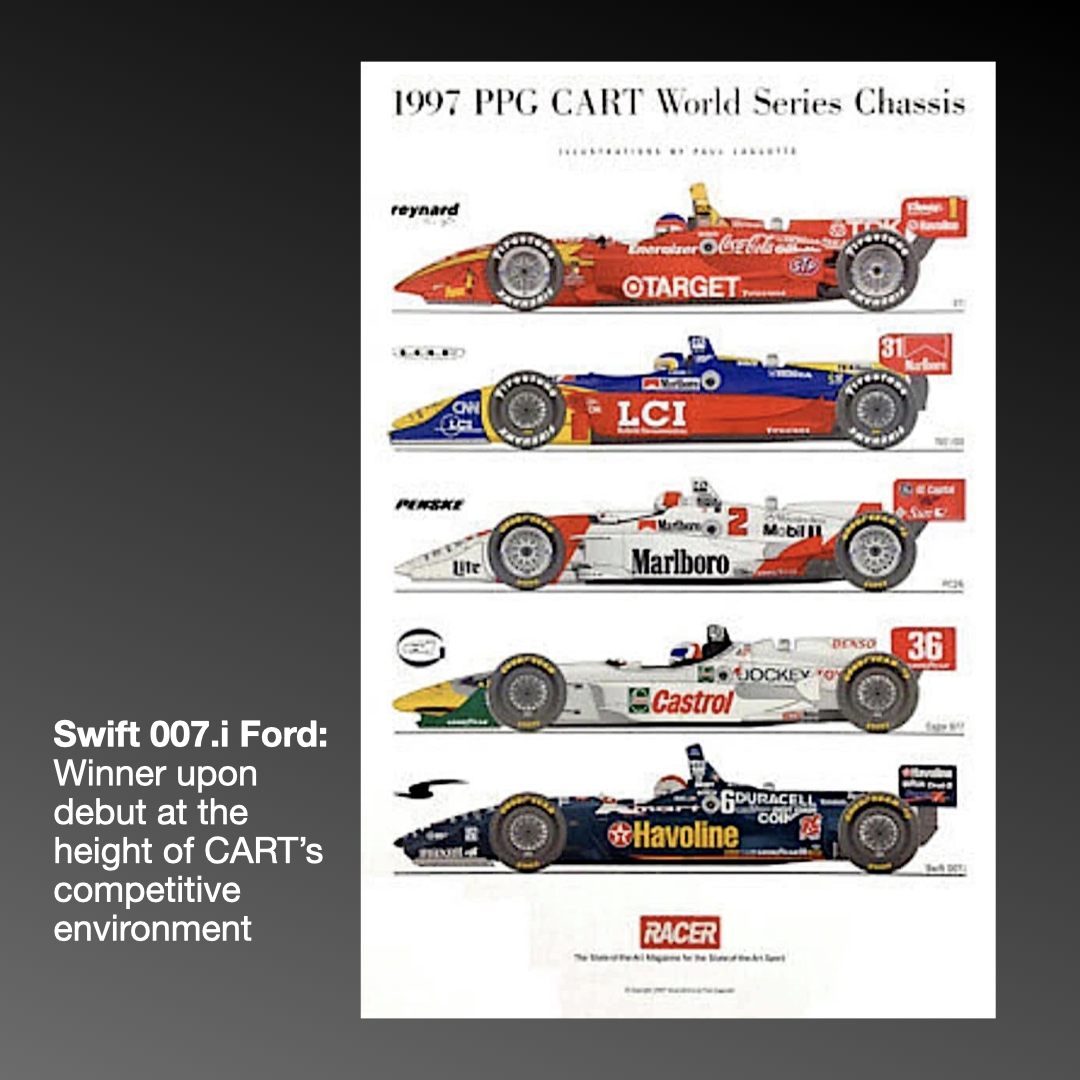
Fourteen years after the DB1's debut, I was at Homestead for the opening race of the 1997 CART season. Michael Andretti won in the new Swift 007.i, named for that ADF house car. Swift had built an Indy car, and it had won its first race.
They had never built the Formula One car Paul described when I was eighteen. But here was a David Bruns-designed Swift winning at a level we had once talked about reaching someday.
Paul had left Swift years earlier. Driving out of Homestead, I called him at home to share what had just happened.
It was magical. I thought about our first conversation, the clay model and the people who had committed themselves to making something better. Paul and I had lived enough of that story together to understand what the moment meant.
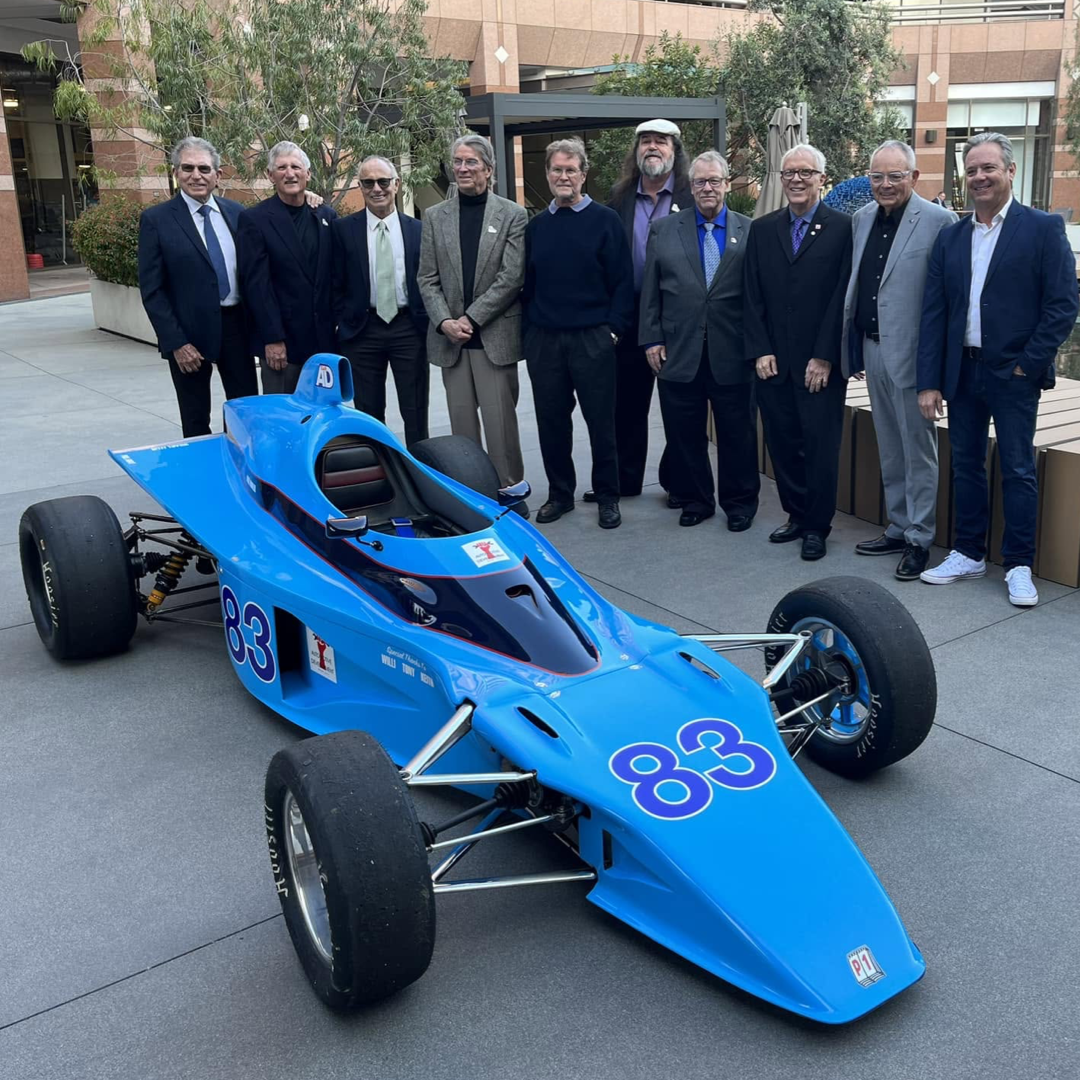
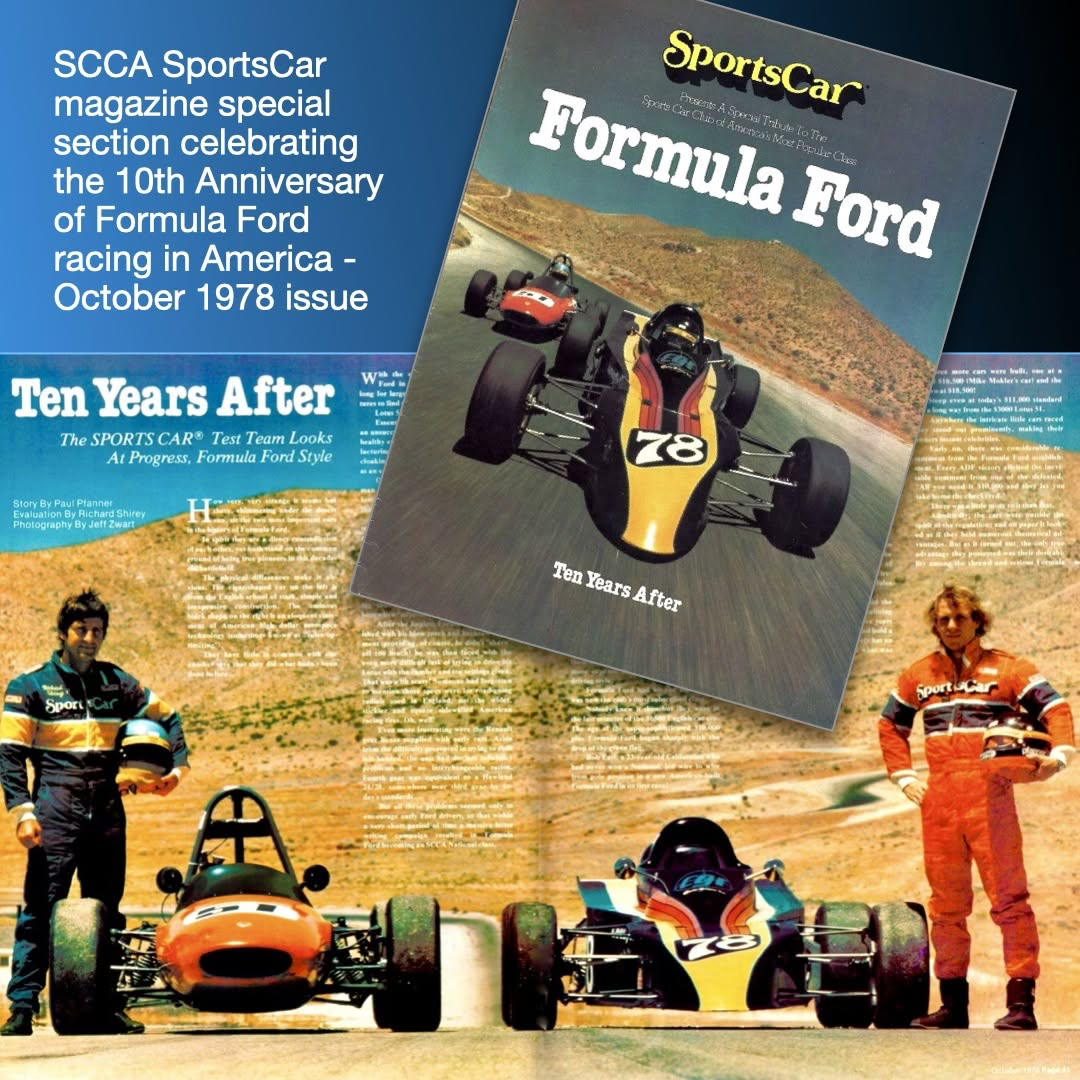
The 007 family. A very special moment with ADF Mk II chassis 007, Bob Lobenberg’s 1980 Runoffs winner, at the RRDC dinner during the Long Beach Grand Prix in April 2023. Left to right: Dennis Firestone, who raced Automotive Development’s works 007 in 1974, won the 1976 SCCA Formula Ford National Championship in a Crossle 30F and became a CART IndyCar regular in 1981; Bill Fickling, former Swift co-owner and 007’s current custodian, who restored the car to original condition from 2021 to 2023; Mike Mokler, who raced 007 in 1978 and drove from last on the grid to second at that year’s Runoffs, earning the RRDC Mark Donohue Award; Bob Earl, who took the prototype, chassis 001, from pole to victory on its debut at the 1973 Runoffs; ADF designer David Bruns, who raced 007 from 1975 to 1977; Jim White, son of Automotive Development co-founder Paul White; ADF racer Jack Crone, father of rising star Courtney Crone; me (I tested 007 for SCCA’s SportsCar magazine in 1978 and 1979); Mike Hull, Team AD’s driver and team manager from 1975 to 1977 and today managing director of Chip Ganassi Racing; and Jimmy Vasser, who won the 1986 SCCA Formula Ford National Championship in a Bruns-designed Swift DB1 and became the Team USA Scholarship’s first driver in 1990. Jimmy went on to win the 1996 CART championship, the first of Chip Ganassi Racing’s 18 IndyCar titles.
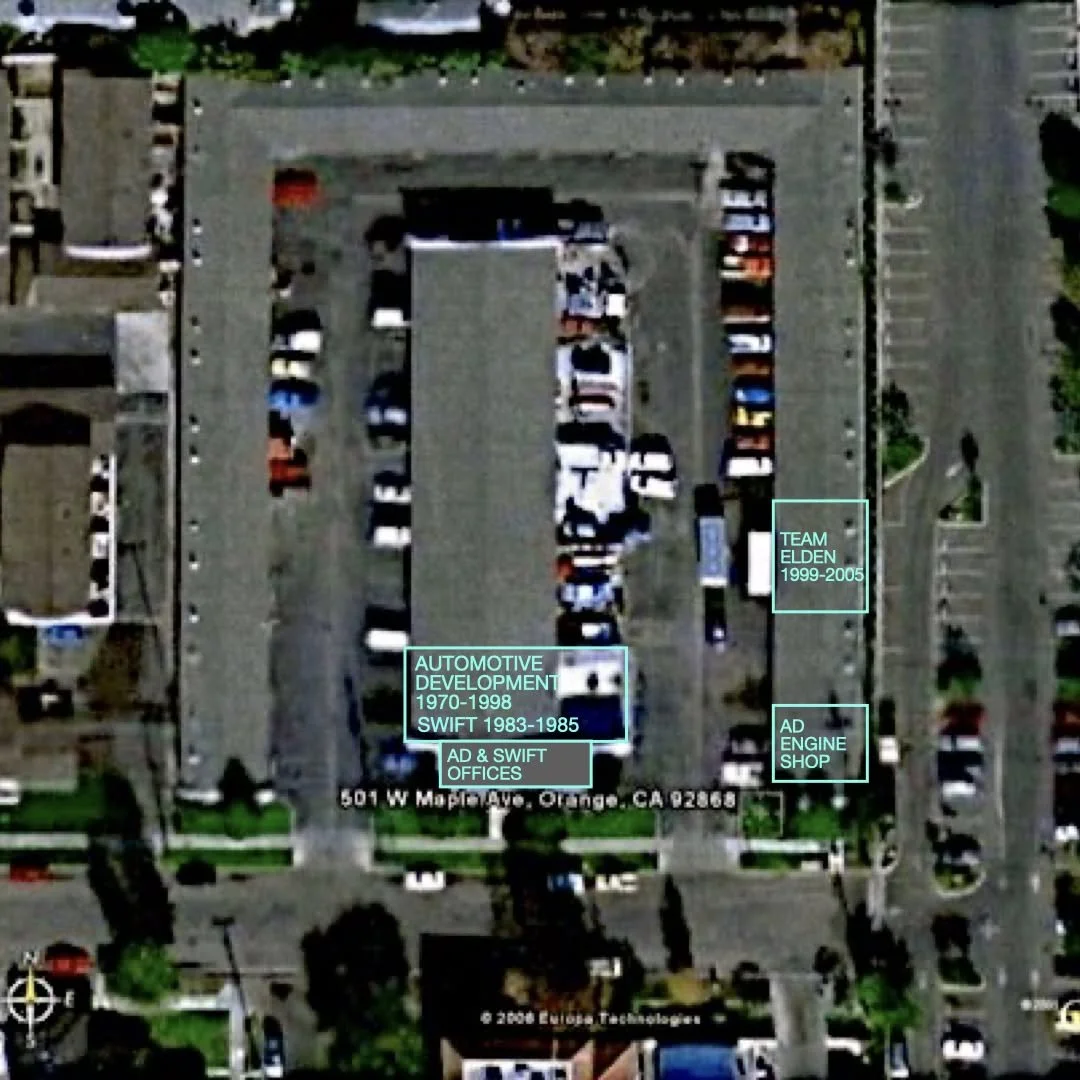
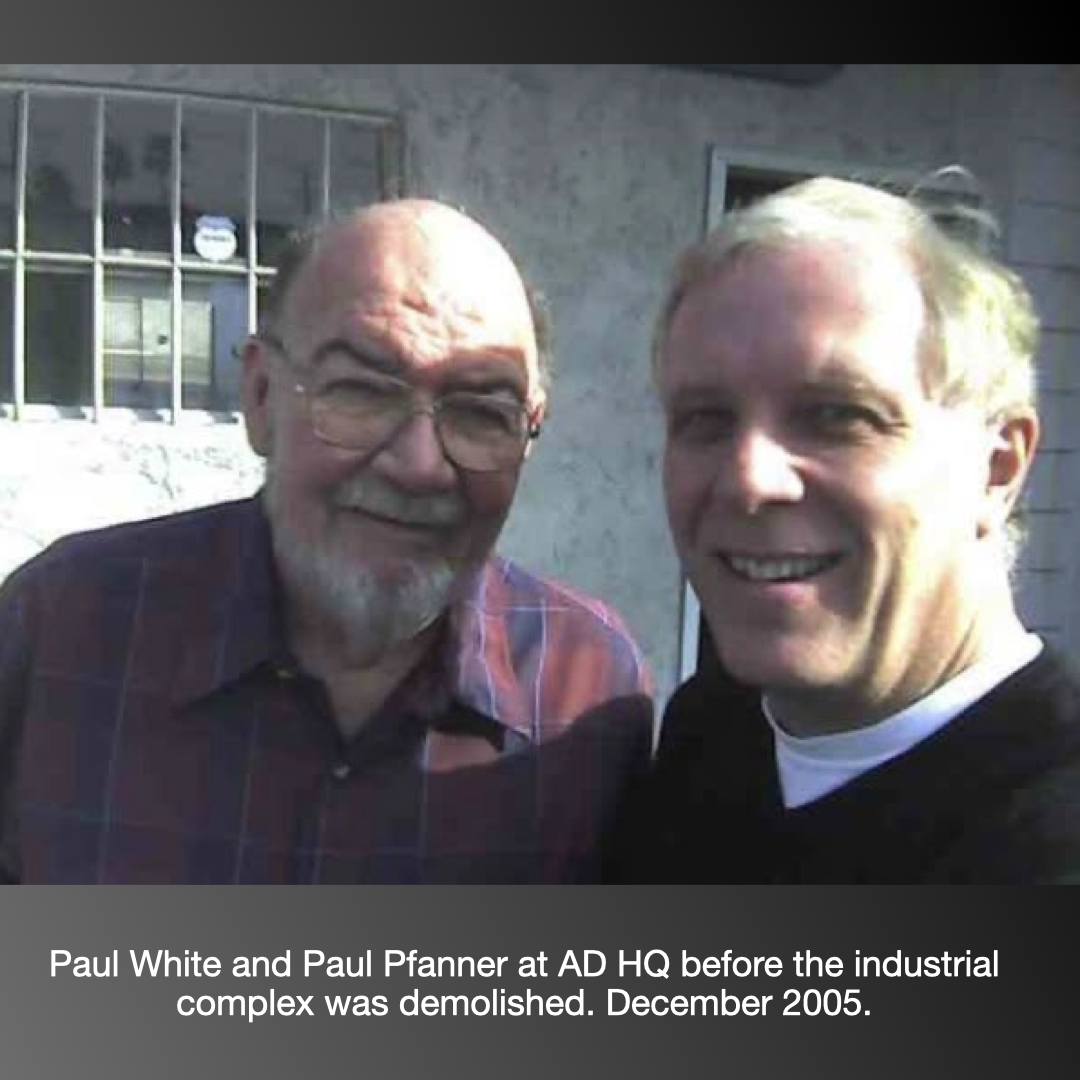
501 West Maple. An old Google Earth image of the industrial park that once stood at 501 W. Maple Ave. in Orange, California. For more than two decades this was the home of Automotive Development, one of the most innovative forces in American road racing. The ADF Mk II Formula Ford was created here, and so were the Swift DB1 Formula Fords, DB2 Sports 2000s and DB3 Formula 2000s. Some of the best Formula Ford engines were built and tuned in the small engine shop next door. In the late 1980s, Automotive Development became home to my collection of vintage Formula Fords and Team Elden, which fit, since AD had been the Southern California Elden dealer in 1972. After Automotive Development ceased operations in the late 1990s, I rented a smaller shop to give AD and Swift co-founder Paul White a place to work and to store my Formula Fords. An era ended in December 2005, when the industrial park closed. It was later demolished to make way for a new condo development.
Remembering Bob Lobenberg
Bob Lobenberg spoke at the Sonoma gathering and passed away shortly afterward. A six-time SCCA national champion and Trans-Am race winner, he was, to my mind, among the finest Formula Ford drivers anywhere. I always enjoyed his company. We had a lot of fun together.
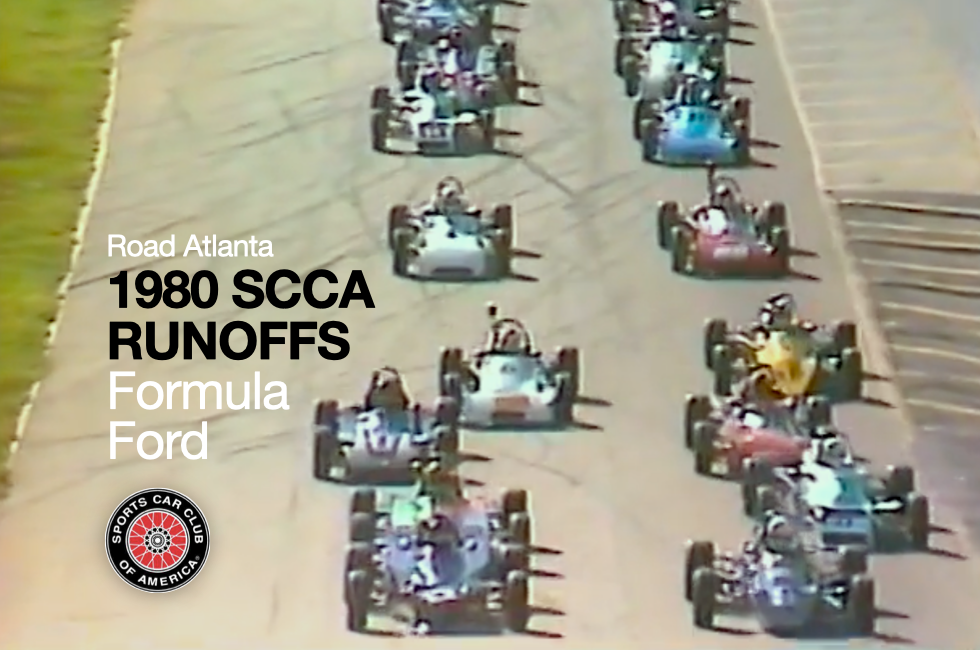
Watch to the end. Bob Lobenberg winning the 1980 SCCA Runoffs in ADF chassis 007, the house car David Bruns shared with Mike Hull. The interview at the finish is pure Bob.
My favorite memory is from the Formula Ford 20th anniversary festival we organized at Willow Springs in March 1989, where Jules had won that first national race. We held a media race in Skip Barber Formula Fords, and Bob and I decided to have some fun.
Inside the transporter, he put on my driving suit and helmet. We were roughly the same size. He emerged, climbed into the car everyone expected me to drive, and went out for practice.
He buried everybody. When he came back, people were impressed with how fast I had become. Eventually, I let them in on the joke. Bob and I had the best laugh.
He was magic in a race car.
Dedicated to the memory of Bob Lobenberg, Paul White and Jules Williams, with gratitude for their friendship and lasting influence.
Epilogue: Discovering Automotive Development
Forging Ahead. My nine-part video series tells the longer version of this story. Automotive Development and the people there run through it from the first episode to the ninth. They inspired me and gave me the opportunities that led to my own company and, eventually, to launching RACER and building the brand around it.
Pfanner Advantage works with clients to turn change into advantage at the intersection of mobility, motorsport, media, technology, and marketing. Learn more or start a conversation: contact us today.
Paul Pfanner’s recent Shift Happens Insights:
Other Than That, I Enjoyed the Film
Will NASCAR Play the TV Game or Redefine It?
The Advantage Journal arrives every week. What matters in sport, mobility, media, and technology — curated and contextualized by Bill Sparks, Bill Long, and Paul Pfanner. No hedging. No filler. Subscribe — It’s Free

